Old Maps of Mountain Home, North Carolina for Academic Research
Study the evolution of Mountain Home with 46 high-resolution historic maps. Whether you're teaching, researching, or modeling changes in land use, these maps provide essential visual documentation of urban, environmental, and geographic change.
- Analyze long-term change: Track patterns in development, transportation, and natural features.
- Ideal for environmental or urban studies: Support academic projects with primary historical map data.
- Use in the classroom or lab: Educators and researchers rely on these maps to bring historical context to life.
These maps are a powerful tool for teaching, research, and visualizing how Mountain Home has changed over the decades.
Mountain Home, NC maps
(46)- 1905 Map of Pisgah, 1956 Print
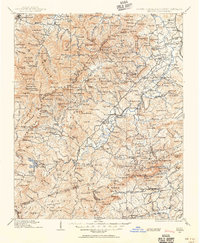 1905 Pisgah1956 Print · USGSThe North Carolina high country around the turn of the century reveals a land of timber tracts and emerging mountain retreats. Genealogists and hikers can trace early routes to Buck Spring Lodge, follow the Southern RR tracks, and locate vanished settlements like Angeline and Calhoun.
 - 1906 Map of Pisgah, 1934 Print
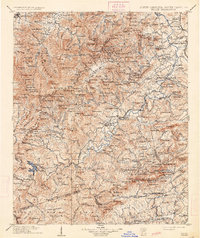 1906 Pisgah1934 Print · USGSThe Blue Ridge highlands at the turn of the century reveal a landscape of mountain river valleys and early timber frontiers. Genealogists and historians can trace family-named bridges and crossings like Graham Bridge or locate vanished settlements such as Grange and Retreat.2 unique versions available
 - 1907 Map of Saluda
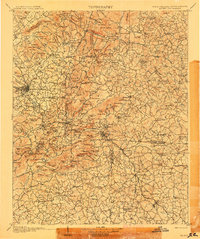 1907 Saluda1907 Print · USGSNorth Carolina's mountain frontier meets the South Carolina foothills in this 1900s survey of the Blue Ridge. Genealogists and researchers can trace the early rail network through Saluda and locate old landmarks like Rockcliff PO and Pleasant Grove Church.3 unique versions available
 - 1935 Map of Horse Shoe
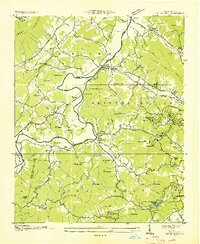 1935 Horse Shoe1935 Print · USGSWestern North Carolina's river valleys and mountain ridges are documented here in the mid-1930s as the Southern Railroad winds along the French Broad River. Researchers can trace old family sites and rural infrastructure including Prison Camp No 511, Oakdale Cem, and the historic Sewell House.
 - 1935 Map of Hendersonville
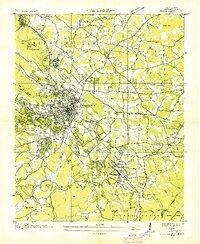 1935 Hendersonville1935 Print · USGSHenderson County is captured in the mid-1930s as a bustling crossroads of rail transit and mountain agriculture. Genealogists and historians can trace the foundations of Hendersonville along the Southern Railway, locating the Military Academy, the Orphanage, and old family burial sites like Jones Cem.
 - 1936 Map of Skyland
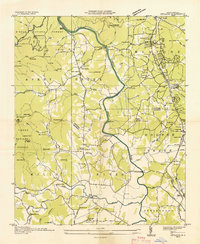 1936 Skyland1936 Print · USGSWestern North Carolina during the mid-thirties reveals a landscape of high ridges and developing river valleys. Genealogists and historians can trace local community roots through landmarks like Arden School, CCC Camp No 5, and Brickton Ch.
 - 1936 Map of Fruitland
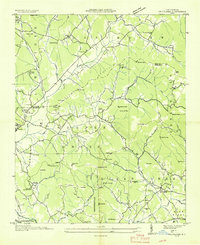 1936 Fruitland1936 Print · USGSThe Blue Ridge foothills of Henderson and Buncombe Counties come alive in the mid-1930s. Genealogists can trace family roots through the Fruitland Institute, Mountain Sanitarium, and rural sites like Tweed Chapel or Patty Chapel.
 - 1942 Map of Fruitland
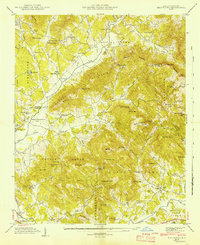 1942 Fruitland1942 Print · USGSHenderson and Buncombe Counties are shown here just as the mountain landscape was being shaped by modern infrastructure in the early 1940s. Genealogists and historians can locate family landmarks such as Fruitland Cem, Christ Sch, and the Mountain Sanitarium.4 unique versions available
 - 1942 Map of Horse Shoe
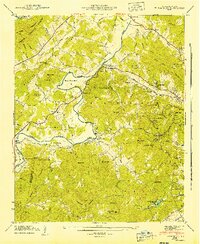 1942 Horse Shoe1942 Print · USGSThe French Broad River valley is captured here in the early 1940s as a thriving network of rail-side settlements and mountain gaps. Genealogists and historians can trace family landmarks like Mc Carson Cem, Oak Forest Ch, and the old Southern Railway line.2 unique versions available
 - 1942 Map of Skyland, 1956 Print
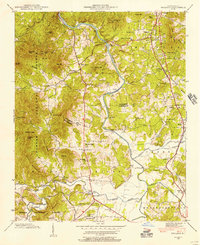 1942 Skyland1956 Print · USGSIn the early 1940s, the mountain communities of Buncombe and Henderson counties were oriented around the French Broad River and the Southern railroad. Researchers can locate family landmarks like the Britton Cem, St Johns Ch, and the old Brickton Sch.2 unique versions available
 - 1943 Map of Skyland
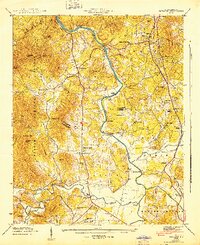 1943 Skyland1943 Print · USGSHenderson and Buncombe County communities thrive along the river valleys and rail lines in the early 1940s. Genealogists and local historians can trace family locations near Fanning Chapel, Britton Cem, and the historic school at Valley Springs Sch.
 - 1946 Map of Hendersonville, 1957 Print
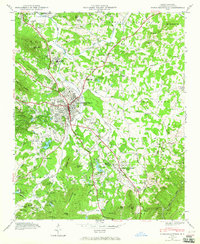 1946 Hendersonville1957 Print · USGSHenderson County in the mid-1940s is captured here at a peak of rail and resort development. Researchers can locate family names at Stanford Chapel, trace the Southern railroad through Balfour, or find old crossings like Buckeye Ford.2 unique versions available
 - 1947 Map of Hendersonville
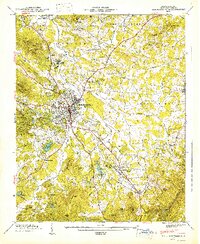 1947 Hendersonville1947 Print · USGSHendersonville and its surrounding apple country are captured in the late 1940s just as post-war growth began to shape the plateau. Genealogists and historians can trace family locations near Balfour, Highland Lake, and several rural landmarks like Draffin Hall Ch.2 unique versions available
 - 1955 Map of Knoxville
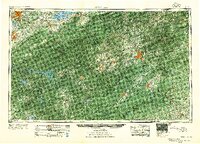 1955 Knoxville1955 Print · USGSThe Southern Appalachians and the Smoky Mountains are shown here at a peak of mid-century development and conservation. Genealogists and historians can trace the early road networks connecting Gatlinburg, Waynesville, and the Cherokee Indian Reservation across the high ridges.
 - 1957 Map of Knoxville, 1966 Print
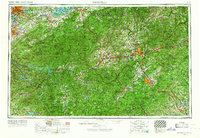 1957 Knoxville1966 Print · USGSThe Southern Appalachians of Tennessee and North Carolina are mapped here during the mid-twentieth century as new highways reached the high country. Genealogists and historians can trace the topography between Knoxville and Asheville, locating family landmarks near Fontana Lake or along the Blue Ridge Parkway.4 unique versions available
 - 1960 Map of Knoxville
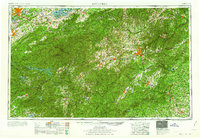 1960 Knoxville1960 Print · USGSThe Southern Appalachians come alive in the 1950s, showing the intersection of new national park tourism and deep-rooted mountain industry. Trace old rail lines like the Clinchfield RR and find high-altitude landmarks from Mt Le Conte to the Cherokee Indian Reservation.2 unique versions available
 - 1964 Map of Knoxville
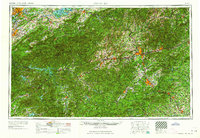 1964 Knoxville1964 Print · USGSThe Southern Appalachians and Great Smokies are captured here during the mid-sixties, showing the rugged borderlands of Tennessee and North Carolina. Researchers can trace historic mountain routes like U S 441, the expanse of Pisgah National Forest, and the growing footprints of Asheville and Knoxville.
 - 1965 Map of Skyland, 1966 Print
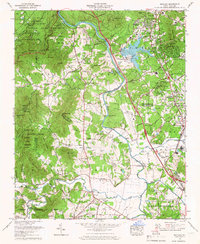 1965 Skyland1966 Print · USGSThe French Broad River valley south of Asheville is shown here in the mid-sixties as regional infrastructure began to modernize the mountain landscape. Genealogists and local historians can trace the Southern rail corridor through Skyland or locate family sites like Oak Forest Cem and Fanning Chapel.6 unique versions available
 - 1965 Map of Fruitland, 1966 Print
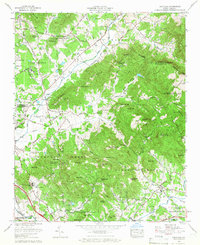 1965 Fruitland1966 Print · USGSNorth Carolina’s mountain ridges and valley settlements are caught here in the mid-sixties as the region balanced its rural roots with new development. Researchers can locate family landmarks like the Pittillo-Lanning Cemetery or trace the grounds of the Fruitland Bible Institute and Christ School.4 unique versions available
 - 1965 Map of Hendersonville, 1967 Print
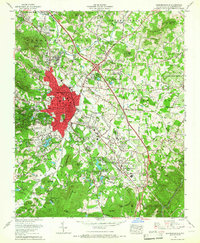 1965 Hendersonville1967 Print · USGSHenderson County's growth is evident in the mid-1960s as the railroad and highways shaped the valley. Researchers can trace family sites at St Matthews Cem, locate landmarks like the Western NC Fairgrounds, or explore the many summer retreats including Camp Pinnacle.6 unique versions available
 - 1965 Map of Horse Shoe, 1967 Print
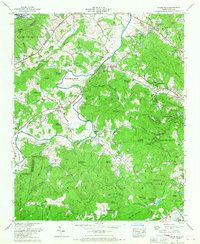 1965 Horse Shoe1967 Print · USGSHenderson County mid-century life is centered on the sweeping curves of the river and the growing community of Etowah. Genealogists and historians can trace family locations through Pleasant Hill Cem, the historic Bowman Bluff settlement, and the early grounds of Camp Kanuga.5 unique versions available
 - 1977 Map of Hendersonville, 1979 Print
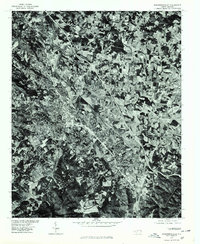 1977 Hendersonville1979 Print · USGSHendersonville and the surrounding Blue Ridge plateau are captured in detail during the late seventies using high-resolution aerial imagery. Trace the urban expansion of Hendersonville and the industrial footprint of East Flat Rock as they appeared decades ago.
 - 1986 Map of Hendersonville
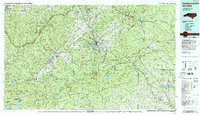 1986 Hendersonville1986 Print · USGSThe Blue Ridge foothills of North and South Carolina are documented here in the mid-eighties as modern highways began to reshape mountain travel. Local historians can trace the paths of the Southern Railway through Hendersonville or locate landmarks like Looking Glass Rock and Inman Mills.2 unique versions available
 - 1997 Map of Horse Shoe, 2001 Print
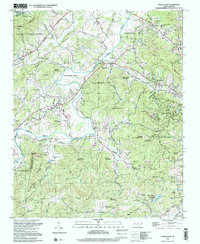 1997 Horse Shoe2001 Print · USGSHenderson County's river-bottom lands and mountain ridges are shown here in the late nineties, centered on the French Broad River. Genealogists can trace family sites like Fletcher Cem and Oak Forest Cem or visit Etowah and Horse Shoe.
 - 1997 Map of Hendersonville, 2001 Print
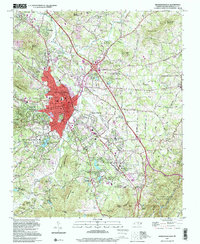 1997 Hendersonville2001 Print · USGSHendersonville and its surrounding ridges are captured in the late nineties, showcasing the growth of this mountain community along the Southern Railway. Researchers can trace local lineages through sites like Oakdale Cem, Jones Cem, and schools such as East Henderson High School.
Showing maps 1-25 of 46
Top cities near Mountain Home
- Asheville historical maps
- Hendersonville historical maps
- Black Mountain historical maps
- Fletcher historical maps
- Brevard historical maps
- Mills River historical maps
See more
Top neighborhoods of Mountain Home
Frequently asked questions
- What are the different types of historical maps available for Mountain Home?
- What is the oldest map of Mountain Home?
- Where can I purchase historical maps of Mountain Home for my home or office?
- Where can I download high-res historical maps of Mountain Home?
- Are there historical topographic maps available for Mountain Home?
- Is there historical aerial imagery available for Mountain Home?
- Where are historical maps of Mountain Home sourced from?