Old Maps of Fairmont, North Carolina
Explore 36 old maps of Fairmont, spanning from 1943 to today. These high-resolution historic maps reveal how streets, neighborhoods, landmarks, and natural features evolved over time — perfect for genealogy, metal detecting, research, and local history exploration.
What you can do with these maps:
- See how Fairmont changed over time: Compare historical maps to modern-day views to trace roads, homesites, rail lines & more.
- View detailed metadata: Each map includes creators, publishers, year, scale, and archive source.
- Overlay maps with satellite & LiDAR: Visualize the past alongside modern tools to explore terrain & human change.
- Trusted historical sources: Maps sourced from the USGS, Library of Congress, and other archives.
- Access maps your way: View online, download high-res files, or order prints for personal or research use.
Start exploring old maps of Fairmont to uncover forgotten places, hidden landmarks, and the deep history beneath your feet.
Fairmont, NC maps
(36)- 1943 Map of Pages Mill
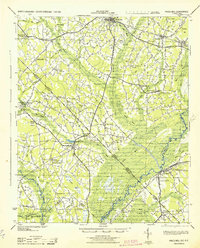 1943 Pages Mill1943 Print · USGSThe Carolina borderlands come alive in the 1940s, showing a landscape shaped by the Lumber River and the Atlantic Coast Line railroad. Genealogists can trace family names through numerous rural landmarks like Oliver Cross Roads, Tabernacle Ch, and White Pond Ch & Sch.
 - 1953 Map of Florence, 1964 Print
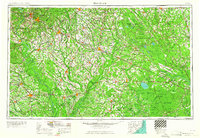 1953 Florence1964 Print · USGSThe Carolina borderlands in the mid-fifties were a landscape of vast river swamps and rising rail towns. Trace the legacy of the Seaboard Air Line through Florence or explore the wetlands surrounding Lake Waccamaw and the Green Swamp.3 unique versions available
 - 1954 Map of Florence
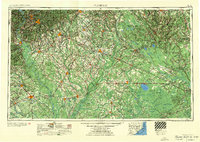 1954 Florence1954 Print · USGSThe Carolinas borderlands come alive in the early fifties, showing the vital rail-and-river networks of the coastal plain. Genealogists can trace family footprints across the Green Swamp or through settlements like Red Springs, Chadbourn, and McColl.
 - 1962 Map of Fairmont, 1964 Print
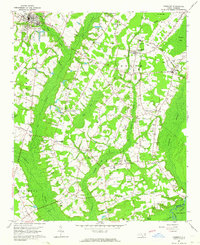 1962 Fairmont1964 Print · USGSRobeson County in the early sixties is characterized by a landscape of productive fields and deep watercourses like Ashpole Swamp. Genealogists can trace family names through dozens of burial sites including Warwick Cem and Hardin Cem, or locate landmarks like Antioch Ch.
 - 1962 Map of Gaddysville, 1964 Print
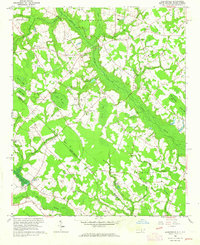 1962 Gaddysville1964 Print · USGSThe North Carolina and South Carolina borderlands in the early sixties reveal a landscape of family farms and wetland bays. Trace ancestral roots at Piney Grove Indian Ch or explore the rural hubs of Gaddysville and Hammond Crossroads.
 - 1962 Map of Fair Bluff, 1965 Print
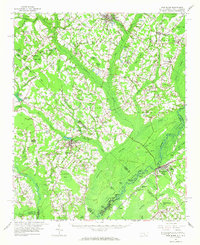 1962 Fair Bluff1965 Print · USGSThe Carolina borderlands near the Lumber River are captured here in the early sixties, showing a landscape defined by elliptical bays and winding swamp systems. Genealogists can trace family names and local sites like Piney Grove Indian Ch, Pages Millpond, and the Atlantic Coast Line Railroad.
 - 1972 Map of Southwest Lumberton, 1975 Print
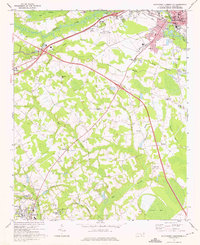 1972 Southwest Lumberton1975 Print · USGSRobeson County in the early seventies is a landscape of expansive blackwater wetlands and rural crossroads south of the county seat. Researchers can trace the heritage of local communities through landmarks like the Rosenwald Sch, Prevatte Cem, and Thompson Chapel.2 unique versions available
 - 1972 Map of Mc Donald, 1976 Print
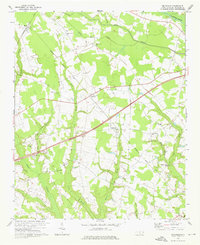 1972 Mc Donald1976 Print · USGSRobeson County is shown here in the early 1970s, a landscape shaped by the Lumber River and its vast swamp systems. Researchers can locate many community landmarks, from Green Grove Sch to historic pulpits like Asbury Ch and Aaron Ch.
 - 1976 Map of Southwest Lumberton
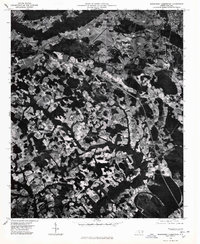 1976 Southwest Lumberton1976 Print · USGSRobeson County in the mid-seventies is captured from the air, showing the precise layout of fields and forest before modern expansion. Researchers can trace the established streets of Lumberton or find the early boundaries of East Side Park and Fairmont.
 - 1976 Map of Gaddysville, 1978 Print
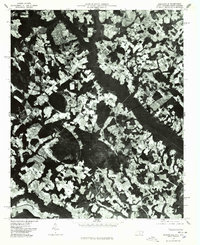 1976 Gaddysville1978 Print · USGSRobeson County near the South Carolina line is seen here in the mid-seventies through detailed aerial orthophotography. Researchers can trace rural settlement patterns and field boundaries around Gaddysville, Five Forks, and White Pond.
 - 1976 Map of Mc Donald, 1978 Print
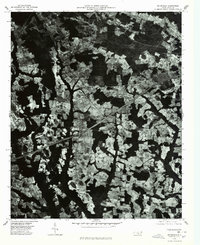 1976 Mc Donald1978 Print · USGSRobeson County is shown during the mid-seventies in this detailed aerial study of its rural landscape. Genealogists and local historians can trace the clear boundaries of family farms and the early footprints of Mc Donald, Raynham, and Elrod.
 - 1976 Map of Fairmont, 1978 Print
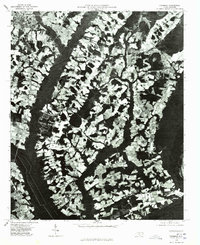 1976 Fairmont1978 Print · USGSCoastal plain agriculture and river-bound settlements define this Robeson County landscape in the mid-seventies. Genealogists and historians can trace the growth of Fairmont and locate rural family sites near Proctorville and Leggett Crossroads.
 - 1981 Map of Mc Donald, 1985 Print
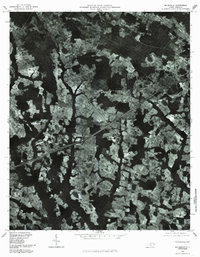 1981 Mc Donald1985 Print · USGSThe rural Robeson County lowlands are captured here in the early eighties as a complex patchwork of farmland and wetlands. Researchers can trace the layout of Mc Donald, Elrod, and the drainage patterns of Ashpole Swamp and the Lumber River.
 - 1983 Map of Laurinburg, 1984 Print
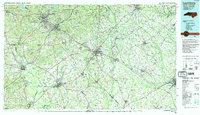 1983 Laurinburg1984 Print · USGSThe Carolina borderlands come into focus in the early 1980s, showcasing a landscape defined by the Sandhills Game Land and major river systems. Genealogists and rail historians can trace the paths of the Seaboard Coast Line Railroad through Hamlet or locate St Andrews College and Cheraw State Park.2 unique versions available
 - 1983 Map of Florence, 1985 Print
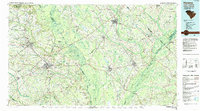 1983 Florence1985 Print · USGSThe Pee Dee region in the early eighties shows a landscape shaped by river commerce and rail expansion. Researchers can trace historic river crossings at Galivants Ferry or locate vanished rail stops like Willow Creek Siding and Blue Brick.
 - 1997 Map of Southwest Lumberton, 2000 Print
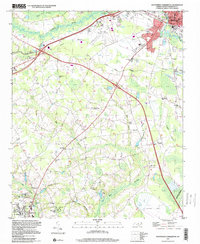 1997 Southwest Lumberton2000 Print · USGSRobeson County near the South Carolina border was characterized by a mosaic of Carolina Bays and riparian swamplands at the close of the twentieth century. Genealogists can trace family names and community anchors at Rosenwald Sch, Floyd Memorial Cem, and Smyrna Ch.
 - 2010 Map of Fairmont, 2010 Print
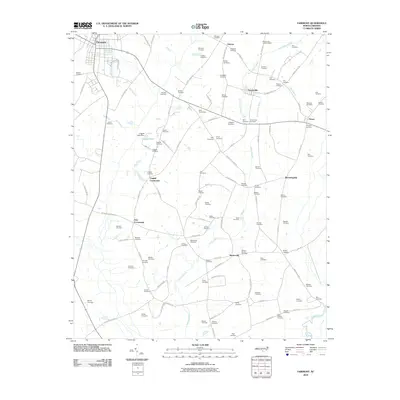 2010 Fairmont2010 Print · USGSRobeson County at the start of the 2010s reveals a rural landscape defined by historic crossroads and extensive swamp networks. Genealogists can trace hundreds of family names through sites like Bullock Cemetery and Byrd Cemeteries near Proctorville.
 - 2010 Map of McDonald, 2010 Print
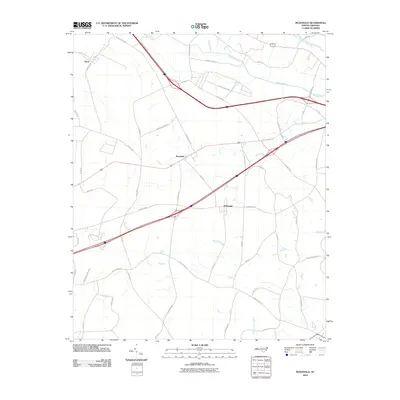 2010 McDonald2010 Print · USGSRobeson County is shown here in the first decade of the millennium, characterized by a complex network of wetlands and rural communities. Genealogists and local historians can trace family-named routes and local landmarks like Addison Tram Rd, McDonald, and Benson Chapel Rd.
 - 2010 Map of Southwest Lumberton, 2010 Print
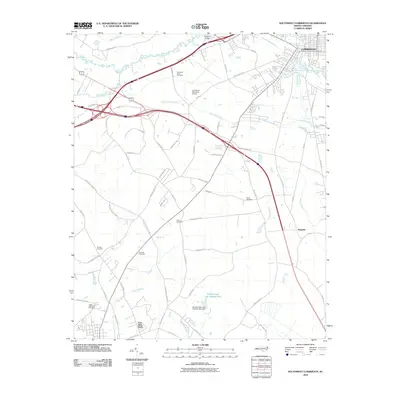 2010 Southwest Lumberton2010 Print · USGSRobeson County near the South Carolina border shows its modern transportation and water networks in the first decade of the new millennium. Researchers can locate family landmarks like Davis Cemetery and Prevatte Cemetery or trace the winding course of the Lumber River.
 - 2011 Map of Gaddysville, 2011 Print
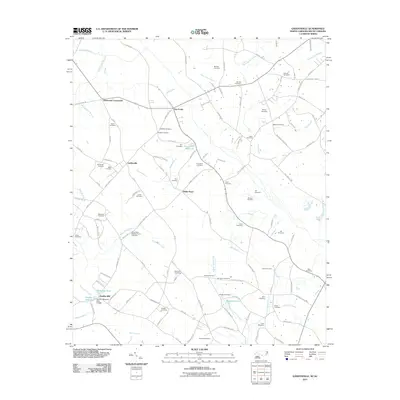 2011 Gaddysville2011 Print · USGSThe rural borderlands of Robeson County are captured here just after the turn of the millennium. Genealogists and local historians can trace family land and heritage through dozens of sites like Mount Zion Baptist Church, Gaddys Mill, and the Britt Cemetery.
 - 2013 Map of Fairmont, 2013 Print
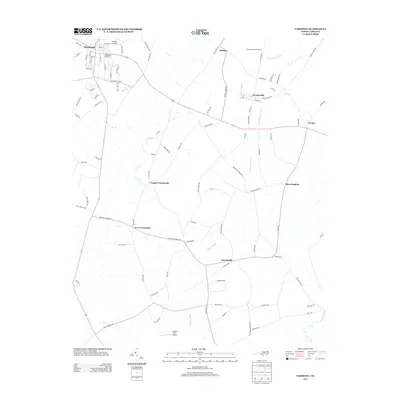 2013 Fairmont2013 Print · USGSRobeson County at the start of the 2010s reveals a landscape defined by its wetlands and small rural hubs. Researchers can trace family history through the grids of Fairmont and Proctorville, or locate regional landmarks like the Proctorville Lookout Tower and Leggett Lake.
 - 2013 Map of Gaddysville, 2013 Print
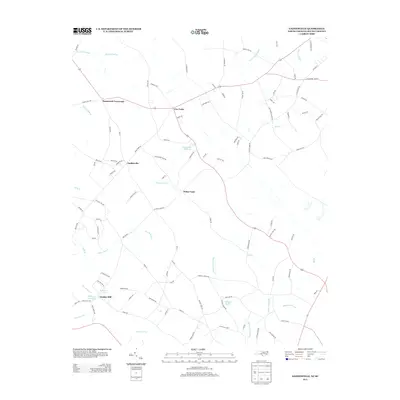 2013 Gaddysville2013 Print · USGSThe North Carolina and South Carolina borderlands appear in this modern survey, capturing a rural landscape defined by its blackwater swamps and old mill sites. Researchers can trace the legacy of local industry and settlement at Gaddys Mill, Horns Old Millpond, and Five Forks.
 - 2013 Map of McDonald, 2013 Print
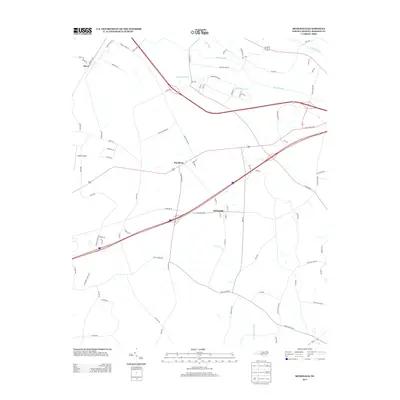 2013 McDonald2013 Print · USGSRobeson County enters the second decade of the millennium with its traditional swamp-and-field landscape still intact around McDonald and Raynham. Genealogists and local historians can trace the road network through Elrod, find family-named routes, and locate landmarks like Adams Airport.
 - 2013 Map of Southwest Lumberton, 2013 Print
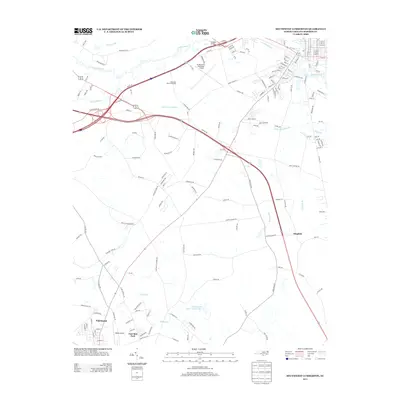 2013 Southwest Lumberton2013 Print · USGSRobeson County is captured in detail during the early 2010s, showing the transition from the town of Fairmont to the outlying swamps. Researchers can trace local landmarks like Scarborough Lake Number One, McKee Airport, and the historic Kingdale settlement.
 - 2016 Map of McDonald, 2016 Print
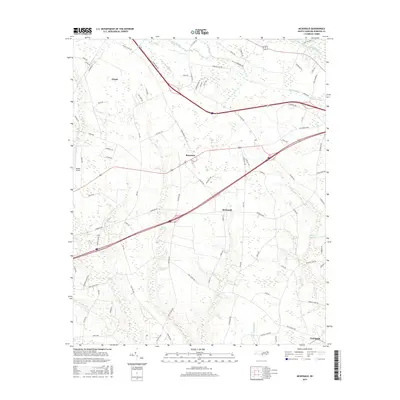 2016 McDonald2016 Print · USGSRobeson County is shown in detail during the mid-2010s, revealing a landscape deeply intertwined with its extensive swamp systems. Genealogists and historians can trace family locations near McDonald, Raynham, and Elrod, or follow historic routes like Marion Stage Rd and Addison Tram Rd.
Showing maps 1-25 of 36
Top cities near Fairmont
- Lumberton historical maps
- Pembroke historical maps
- Maxton historical maps
- Fair Bluff historical maps
- Rowland historical maps
- Hamer historical maps
See more
Frequently asked questions
- What are the different types of historical maps available for Fairmont?
- What is the oldest map of Fairmont?
- Where can I purchase historical maps of Fairmont for my home or office?
- Where can I download high-res historical maps of Fairmont?
- Are there historical topographic maps available for Fairmont?
- Is there historical aerial imagery available for Fairmont?
- Where are historical maps of Fairmont sourced from?