Old Maps of Bottineau County, North Dakota
Explore 255 old maps of Bottineau County, spanning from 1935 to today. These high-resolution historic maps reveal how streets, neighborhoods, landmarks, and natural features evolved over time — perfect for genealogy, metal detecting, research, and local history exploration.
What you can do with these maps:
- See how Bottineau County changed over time: Compare historical maps to modern-day views to trace roads, homesites, rail lines & more.
- View detailed metadata: Each map includes creators, publishers, year, scale, and archive source.
- Overlay maps with satellite & LiDAR: Visualize the past alongside modern tools to explore terrain & human change.
- Trusted historical sources: Maps sourced from the USGS, Library of Congress, and other archives.
- Access maps your way: View online, download high-res files, or order prints for personal or research use.
Start exploring old maps of Bottineau County to uncover forgotten places, hidden landmarks, and the deep history beneath your feet.
Bottineau County, ND maps
(255)- 1935 Map of Dunseith
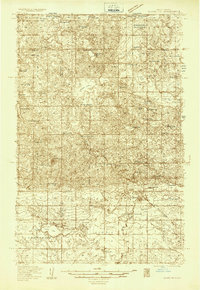 1935 Dunseith1935 Print · USGSNorth Dakota's borderlands near the Turtle Mountains are captured here in the mid-1930s, showing the early layout of the International Peace Garden. Genealogists and historians can trace the rural school districts and parish sites of Rolette County, including St Johns Ch, Kelvin PO, and the Great Northern rail line into Dunseith.
 - 1939 Map of Dunseith
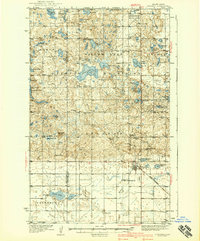 1939 Dunseith1939 Print · USGSThe Turtle Mountains of Rolette County are shown here in the late 1930s, documenting a landscape of glacial lakes and prairie borderlands. Genealogists and local historians can locate early landmarks like the International Peace Garden, San Haven, and several rural sites like Beaverdam Sch.2 unique versions available
 - 1948 Map of Dokken SW
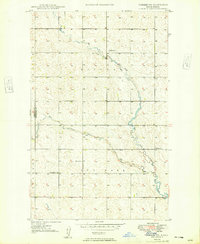 1948 Dokken SW1948 Print · USGSThe northern plains of Bottineau and Renville counties are captured here in the late 1940s as the local creek system converges. Genealogists can locate family burial sites at Brotherhood Cem and Mohall Cem or trace the placement of School No 1.3 unique versions available
 - 1948 Map of Lansford, 1955 Print
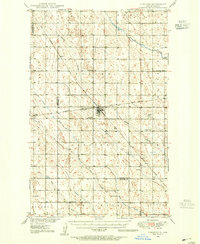 1948 Lansford1955 Print · USGSNorth Dakota's northern prairie is captured here during the post-war era, showing a landscape defined by vital rail junctions and rural schoolhouses. Researchers can trace family history through sites like Lansford, St Johns Cem, and Graham Sch.3 unique versions available
 - 1948 Map of Lansford SW, 1976 Print
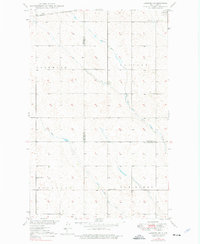 1948 Lansford SW1976 Print · USGSRenville and Bottineau counties appear here in the late 1940s, showing a prairie landscape shaped by the Soo Line and seasonal creeks. Researchers can locate the Lansford Cem and rural landmarks like Olsen School and Graham School.
 - 1949 Map of Glenburn
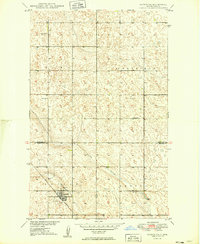 1949 Glenburn1949 Print · USGSThe settlement of Glenburn and the surrounding prairie are captured here during the post-war expansion of the late 1940s. Genealogists and local historians can locate Fairview Cem, the Great Northern tracks, and several rural schoolhouses.2 unique versions available
 - 1949 Map of Lansford NW
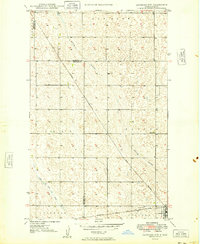 1949 Lansford NW1949 Print · USGSNorth Dakota's northern plains are captured here in the late 1940s, highlighting a landscape defined by the intersection of major rail lines. Researchers can trace the routes of the Great Northern and locate community sites like Blaine Sch and St Johns Cem.
 - 1949 Map of Lansford SW
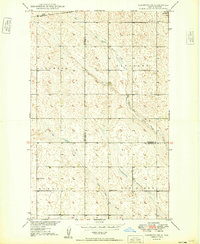 1949 Lansford SW1949 Print · USGSNorth Dakota's northern plains are captured here in the late 1940s as a landscape of structured townships and vital rail connections. Researchers can locate rural landmarks like the Olsen School and Graham School or trace the Soo Line through Lansford.
 - 1949 Map of Lansford SE
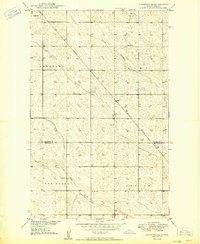 1949 Lansford SE1949 Print · USGSPrairie life in the Bottineau and Renville county borderlands is documented here just after the war. You can trace the Great Northern rail line connecting Lansford and Forfar or locate rural landmarks like School No 2 and Spring Coulee.
 - 1949 Map of Lansford NE
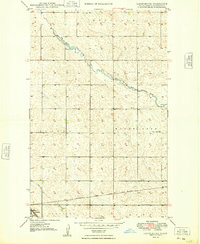 1949 Lansford NE1949 Print · USGSThe prairie landscape of north-central North Dakota is captured here just after the war, centered on the rural townships of Mount Rose and Renville. Genealogists and historians can trace the Minneapolis St Paul and Sault Ste Marie rail line past Lansford to the Renville Cem.
 - 1949 Map of Maxbass
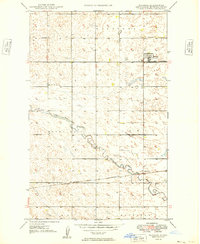 1949 Maxbass1949 Print · USGSBottineau County's prairie grain-rail network is clearly defined in the late 1940s as the Great Northern and Minneapolis Sault Ste Marie and St Paul railroads intersect the landscape. Genealogists and local historians can locate Maxbass Cem, School No 1, and the settlement of Hurd.
 - 1949 Map of Eckman SE
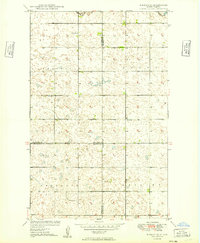 1949 Eckman SE1949 Print · USGSMcHenry County at the close of the 1940s reveals a structured prairie landscape during the Missouri River Basin development era. Genealogists and local historians can locate early rural landmarks like Our Savior Church, School No 1, and the meandering Deep River.2 unique versions available
 - 1949 Map of Eckman
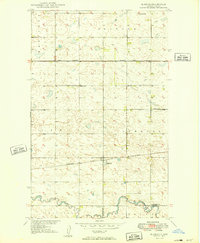 1949 Eckman1949 Print · USGSNear the border of Bottineau and McHenry counties in the late 1940s, this prairie landscape highlights a vital rail junction. Genealogists can locate rural landmarks like Betania Ch, Riverside Cem, and the intersection of two major western railroads at Eckman.
 - 1949 Map of Landa, 1966 Print
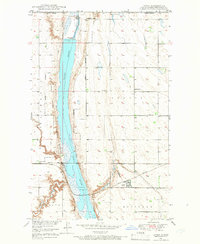 1949 Landa1966 Print · USGSThe Souris River valley and the Canadian border define this North Dakota region just after the war. Local historians can trace the Great Northern rail line and locate rural landmarks like Zion Ch, School No 1, and the Landa Cem.
 - 1949 Map of Westhope SW, 1966 Print
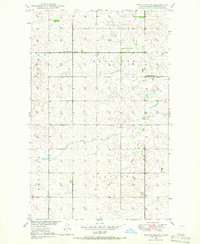 1949 Westhope SW1966 Print · USGSThe northern plains of Bottineau County appear in the late 1940s as a quiet landscape of prairie potholes and township sections. Local historians can trace early rural life through the locations of Stinson Sch No 3, Stinson Sch No 1, and Zion Ch.
 - 1949 Map of Landa SW, 1966 Print
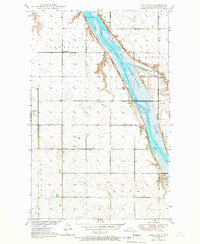 1949 Landa SW1966 Print · USGSBottineau County's prairie and wetlands are mapped here in the late 1940s, shortly after the Department of the Interior's Missouri River Basin program began. Researchers can trace rural school locations like School No 3 and School No 4 alongside the expansive Lower Souris National Wildlife Refuge.2 unique versions available
 - 1949 Map of Kramer, 1976 Print
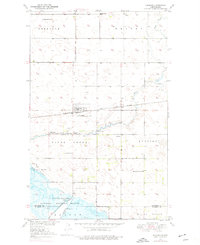 1949 Kramer1976 Print · USGSThe Bottineau County prairie around the middle of the twentieth century was a landscape of remote schoolhouses and vital rail connections. Researchers can locate the Kramer Cem, trace the Minneapolis St Paul and Sault Ste Marie tracks, and explore the river bottoms of the J Clark Salyer National Wildlife Refuge.
 - 1950 Map of Newburg
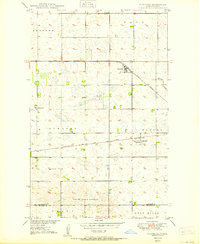 1950 Newburg1950 Print · USGSBottineau County at the midpoint of the century shows a landscape tied to the great prairie railroads. Genealogists and historians can trace the rail-side growth of Newburg and Russell, locating specific landmarks like School No 1 and the State Game Refuge.
 - 1950 Map of Kramer
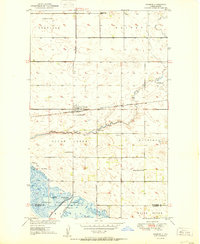 1950 Kramer1950 Print · USGSBottineau County's agricultural prairie and the Souris River wetlands are captured here at mid-century. Researchers can trace the railroad economy at Kramer or locate rural landmarks like Thrums Sch No 4 and the Kramer Cem.
 - 1950 Map of Lansford
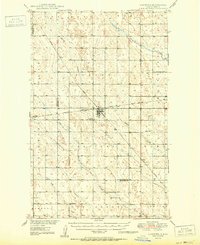 1950 Lansford1950 Print · USGSNorth Dakota's northern prairie was a bustling network of rail and rural education during the mid-century. Researchers can trace the heritage of Lansford through its numerous country schoolhouses like Graham Sch and rail-line stops such as Forfar.
 - 1950 Map of Westhope SW
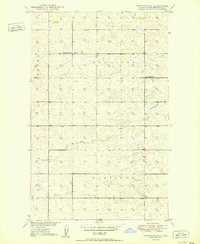 1950 Westhope SW1950 Print · USGSBottineau County's prairie landscape is captured here at mid-century, showing the rural structure of the North Dakota plains. Genealogists and local historians can locate early social landmarks like Zion Ch and one-room schoolhouses such as Stinson Sch No 1.
 - 1950 Map of Deep
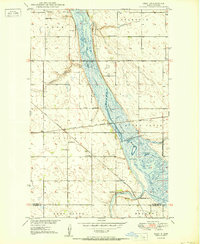 1950 Deep1950 Print · USGSBottineau County's prairie and wetlands are documented here in the mid-twentieth century as the railroad era met modern conservation efforts. Genealogists and historians can trace the foundations of Deep and the locations of St Johns Ch and Thrums Sch No 1.2 unique versions available
 - 1950 Map of Antler NW
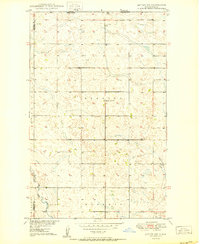 1950 Antler NW1950 Print · USGSThe international border between North Dakota and Canada forms the backdrop for this mid-century prairie survey. Genealogists and local historians can trace family land in townships like Wheaton and Eden or locate the site of Haas Ch and Fairview Sch No 1.
 - 1950 Map of Landa
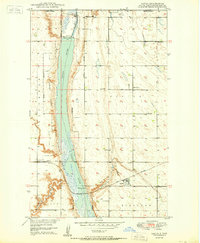 1950 Landa1950 Print · USGSNear the Canadian border in the mid-twentieth century, this Bottineau County landscape centers on the Souris River and its vast wildlife refuge. Genealogists can locate family landmarks like Landa Cem, Zion Ch, and rural schoolhouses along the Great Northern rail line.
 - 1950 Map of Landa SW
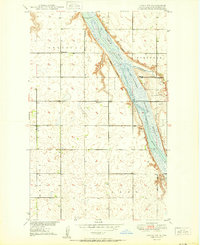 1950 Landa SW1950 Print · USGSNorth Dakota's Bottineau County is captured here at mid-century, defined by the winding marshlands of the Lower Souris National Wildlife Refuge. Researchers can trace old section-line roads to local landmarks like School No 2 and the Gravel Pit.
Showing maps 1-25 of 255
Top cities of Bottineau County
- Bottineau historical maps
- Westhope historical maps
- Lansford historical maps
- Willow City historical maps
- Maxbass historical maps
- Newburg historical maps
See more
Frequently asked questions
- What are the different types of historical maps available for Bottineau County?
- What is the oldest map of Bottineau County?
- Where can I purchase historical maps of Bottineau County for my home or office?
- Where can I download high-res historical maps of Bottineau County?
- Are there historical topographic maps available for Bottineau County?
- Is there historical aerial imagery available for Bottineau County?
- Where are historical maps of Bottineau County sourced from?