1960s Maps of Hancock County, Ohio
Explore 22 historic maps of Hancock County from the 1960s. These maps offer a rare glimpse into what life looked like during the 1960s — showing old roads, neighborhoods, homes, and landmarks that have changed or disappeared over time.
Whether you're researching your family's past, planning a metal detecting trip, or studying how Hancock County's landscape evolved across the 1960s, these high-resolution maps are a powerful tool for exploring the history of this region.
- Focus on a specific era: All maps on this page are from the 1960s, giving you a focused view of this time period.
- See what’s changed: Compare century-old streets, trails, and buildings to today's modern landscape using overlays and satellite layers.
- Research with precision: Use these maps for genealogy, historical research, land use analysis, or educational projects.
- View, download, or print: Maps are fully viewable online in high resolution, and can be downloaded or printed for your own records.
Start exploring Hancock County's history through authentic maps from the 1960s. This is your window into the past.
Hancock County, OH maps
(22)- 1960 Map of Deshler, 1961 Print
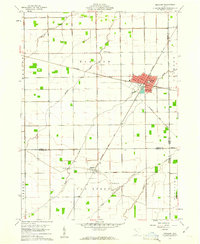 1960 Deshler1961 Print · USGSDeshler and Belmore are captured at the height of their rail-era significance in the early 1960s. Researchers can trace the Baltimore and Ohio rail lines, find community landmarks like Oakdale Ch, and locate family plots at Woodlawn Cem.3 unique versions available
 - 1960 Map of Bluffton, 1961 Print
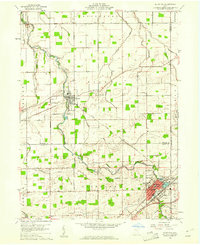 1960 Bluffton1961 Print · USGSAgricultural life in Allen and Putnam counties reached a mid-century peak when rail lines and country roads still defined the local economy. Genealogists and historians can trace family-named landmarks like Hilty Cem and institutional hubs such as Bluffton College.4 unique versions available
 - 1960 Map of Rawson, 1961 Print
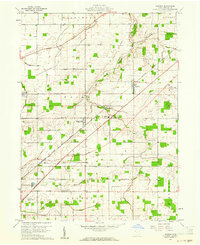 1960 Rawson1961 Print · USGSHancock County in the early sixties centers on the rail-linked communities of Rawson and Mount Cory. Genealogists and local historians can trace family ties at Flick Cem, visit the Olive Branch Ch, or locate the old Bluffton Landing Field.2 unique versions available
 - 1960 Map of Bloomdale, 1961 Print
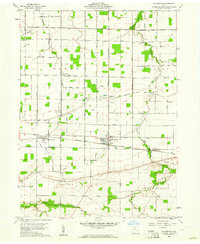 1960 Bloomdale1961 Print · USGSWood and Hancock Counties are captured here in the early sixties as the railroad and rural oil industry shaped the local landscape. Genealogists can trace family footprints near Bloomdale and Bairdstown or locate rural burial sites like Chapel Cem and Ark Cem.3 unique versions available
 - 1960 Map of Alvada, 1961 Print
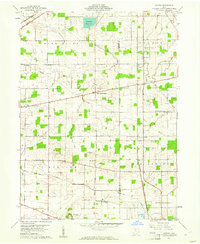 1960 Alvada1961 Print · USGSHancock and Seneca counties appear here at the start of the 1960s, where the Old Indian Treaty Boundary still shapes the local landscape. Genealogists can locate family-named sites like Graham Cem and Ewing Cem or trace the route of the Chesapeake and Ohio railroad.2 unique versions available
 - 1960 Map of North Baltimore, 1961 Print
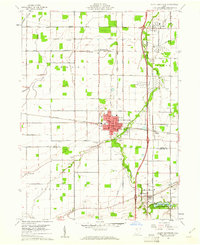 1960 North Baltimore1961 Print · USGSThe crossroads of Wood and Hancock counties are captured here in the early sixties, showing a landscape shaped by rail, industry, and agriculture. Genealogists can locate family landmarks like Portage Chapel, Bethel Cem, and the historic Township Sch near Hammansburg.4 unique versions available
 - 1960 Map of Arlington, 1961 Print
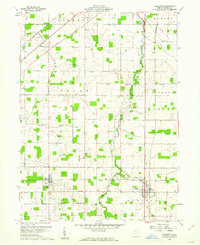 1960 Arlington1961 Print · USGSSouthern Hancock County appears at the dawn of the 1960s as a thriving agricultural and energy-producing landscape. Researchers can trace the legacy of small-town Ohio through family cemeteries like Hartman Cem and the rail-side growth of Jenera and Arlington.4 unique versions available
 - 1960 Map of Leipsic, 1961 Print
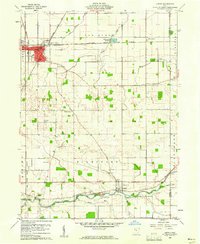 1960 Leipsic1961 Print · USGSPutnam County's rail-and-river landscape is clearly defined in the early sixties at the junction of several major freight lines. Genealogists and local historians can locate early family landmarks such as Cholera Cem, Maidlow Cem, and the County Home.2 unique versions available
 - 1960 Map of Fostoria, 1961 Print
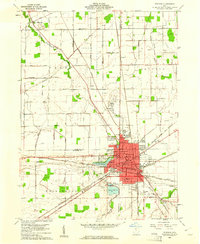 1960 Fostoria1961 Print · USGSFostoria is captured at the height of its mid-century industrial prominence, serving as a vital crossroads for four major railroads. Genealogists and local historians can trace the city's growth alongside rural landmarks like Dysinger Cem, Field Sch, and Lake Lamberjack.2 unique versions available
 - 1960 Map of Hoytville, 1961 Print
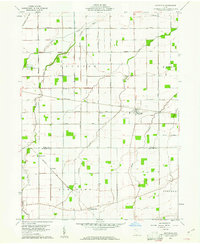 1960 Hoytville1961 Print · USGSNorthwest Ohio's productive farmlands come into sharp focus in the early sixties, showing the vital intersection of rail and road. Genealogists and historians can trace family locations near Hoytville, Deweyville, and the Thomas Cem along the Baltimore and Ohio Railroad.4 unique versions available
 - 1960 Map of Findlay, 1962 Print
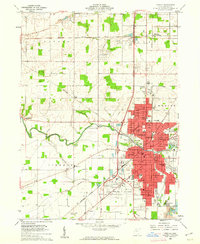 1960 Findlay1962 Print · USGSMid-century Findlay and its surroundings show a thriving hub of education, industry, and rail transport. Researchers can locate family landmarks like Aurand Cem, the Findlay College campus, and the extensive rail yards of the New York Central RR.4 unique versions available
 - 1960 Map of Mt Blanchard, 1962 Print
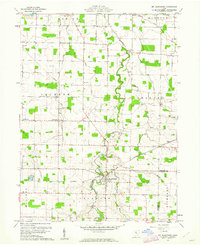 1960 Mt Blanchard1962 Print · USGSHancock County farmland and river bends are captured here in the early sixties, as agriculture and early oil extraction defined the local economy. Researchers can locate numerous family-named burial sites like Frontiers Repose Cem and small settlements including Houcktown and Pratts.3 unique versions available
 - 1960 Map of Arcadia, 1962 Print
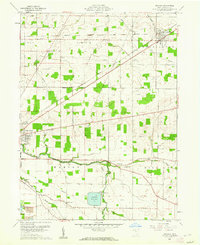 1960 Arcadia1962 Print · USGSHancock County was a landscape of small townships and rail-fed villages in the early sixties. Researchers can trace rural lineages through sites like Hamlin Cem, High Bank Cem, and the waters of the Findlay Reservoir.3 unique versions available
 - 1960 Map of Mc Comb, 1962 Print
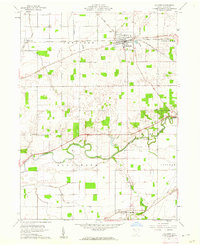 1960 Mc Comb1962 Print · USGSNorthwestern Ohio at the start of the sixties reveals a landscape shaped by rail junctions and river bends. Genealogists and local historians can trace family-named sites like Schwartz Cem and Indian Grave Cem or locate the old Pleasant Hill Sch.2 unique versions available
 - 1961 Map of Toledo
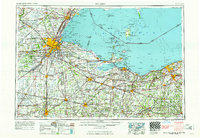 1961 Toledo1961 Print · USGSThe western basin of Lake Erie and the industrial heart of Northern Ohio are captured here during the post-war era. Researchers can trace historical rail lines like the New York Central or locate landmarks like the Erie Ordnance Depot and Pelee Island.
 - 1961 Map of Forest, 1962 Print
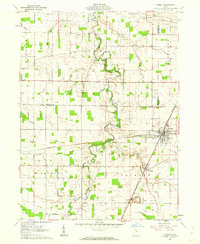 1961 Forest1962 Print · USGSHardin County agriculture and rail industry intersect in the early sixties at the junction of two major lines. Researchers can trace family history through the numerous rural burial sites and churches like Earlywine Cem, Union Chapel, and Patterson Cem.2 unique versions available
 - 1961 Map of Dunkirk, 1962 Print
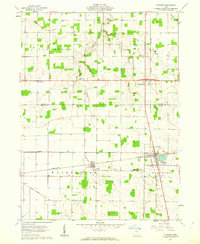 1961 Dunkirk1962 Print · USGSIn the early 1960s, the border of Hancock and Hardin counties functioned as a busy rail crossroads and agricultural center. Local historians can trace the junction of the Pennsylvania and New York Central railroads at Dunkirk, alongside rural anchors like Hardin Northern Sch and Dola.2 unique versions available
 - 1961 Map of Ada, 1962 Print
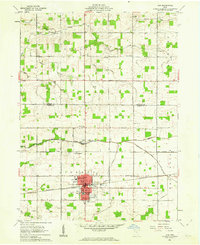 1961 Ada1962 Print · USGSThe village of Ada and the campus of Ohio Northern University appear here in the early sixties as a center of education and rail transport. Researchers can trace family plots at McClure Cem and Thompson Cem or locate old rural landmarks like Liberty Chapel.2 unique versions available
 - 1961 Map of Carey, 1962 Print
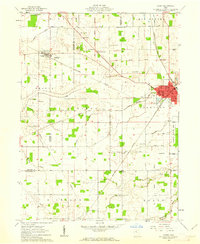 1961 Carey1962 Print · USGSIn the early sixties, the crossroads at Carey and Vanlue reveal a landscape shaped by major rail lines and early surveyors. Researchers can trace historic markers like the Old Indian Treaty Boundary and family-named cemeteries including Zion Bloom Cem and Wentz Cem.3 unique versions available
 - 1961 Map of Beaverdam, 1963 Print
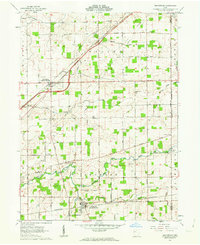 1961 Beaverdam1963 Print · USGSBeaverdam and Lafayette serve as local hubs in this 1960s survey of western Ohio's rail and river country. Researchers can trace rural lineages through numerous sites like Gratz Cem, Woodland Cem, and Liberty Chapel along the Ottawa River.3 unique versions available
 - 1962 Map of Marion
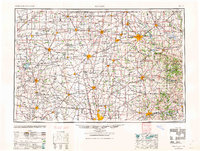 1962 Marion1962 Print · USGSCentral Ohio during the post-war era showcases a dense network of railroad towns and emerging interstate highways. Genealogists can trace family roots in smaller settlements like Houcktown and Marseilles or locate landmarks near Indian Lake.
 - 1966 Map of Marion, 1968 Print
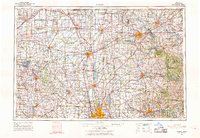 1966 Marion1968 Print · USGSCentral Ohio in the mid-sixties is captured during a period of rapid highway expansion and industrial connectivity. Genealogists and historians can trace rail-and-river networks through towns like Marion, Urbana, and Mount Vernon, or locate landmarks such as Malabar Farm and Black Hand Rock.3 unique versions available
End of results
Showing maps 1-22 of 22
Top cities of Hancock County
- Findlay historical maps
- McComb historical maps
- Arlington historical maps
- Arcadia historical maps
- Mount Blanchard historical maps
- Vanlue historical maps
See more
Frequently asked questions
- What are the different types of historical maps available for Hancock County?
- What is the oldest map of Hancock County?
- Where can I purchase historical maps of Hancock County for my home or office?
- Where can I download high-res historical maps of Hancock County?
- Are there historical topographic maps available for Hancock County?
- Is there historical aerial imagery available for Hancock County?
- Where are historical maps of Hancock County sourced from?