Old Maps of Ninnekah, Oklahoma for Metal Detecting
Plan your next treasure hunt with 24 historic maps of Ninnekah. Find old homesites, ghost towns, trails, and gathering spots that may be lost to time — perfect for identifying promising metal detecting locations.
- Locate forgotten sites: Uncover places like long-lost settlements, abandoned rail lines, or gathering spots.
- Plan better hunts: Use map overlays combined with LiDAR or satellite views to narrow in on historically rich areas.
- Made for detectorists: Thousands of hobbyists use these maps to discover relics, coins, and hidden history.
Use these historic maps to boost your research and find new opportunities beneath the surface of Ninnekah.
Ninnekah, OK maps
(24)- 1902 Map of Rush Springs
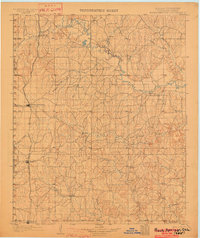 1902 Rush Springs1902 Print · USGSThe Chickasaw Nation landscape at the turn of the century is defined by its deep river valleys and the arrival of the iron horse. Genealogists can trace early homesteads and rail-side growth in Rush Springs, Marlow, and settlements like Erin Springs along the Washita River.4 unique versions available
 - 1904 Map of Chickasha
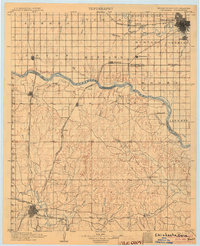 1904 Chickasha1904 Print · USGSIndian Territory and Oklahoma Territory meet in this detailed 1904 survey, showing the region just years before statehood. Genealogists can trace the early rail stops at Minco and Tuttle or locate family homesteads near Womack and Dibble.4 unique versions available
 - 1949 Map of Rush Springs, 1964 Print
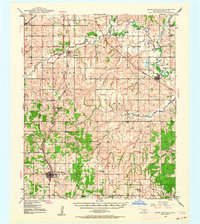 1949 Rush Springs1964 Print · USGSGrady County at mid-century reveals a landscape defined by the Washita River valley and the reach of the Rock Island railroad. Genealogists can trace family roots through numerous rural landmarks like Vimy Ridge Sch, Morris Cem, and the settlement of Ninnekah.2 unique versions available
 - 1950 Map of Rush Springs
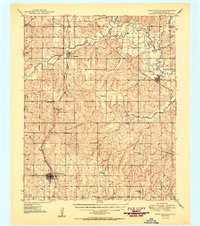 1950 Rush Springs1950 Print · USGSGrady County at the mid-point of the twentieth century reveals a landscape shaped by the Washita River and the local rail lines. Researchers can trace rural school locations like Vimy Ridge Sch and Hawkins Sch or locate family plots at Ireland Cem.2 unique versions available
 - 1954 Map of Oklahoma City
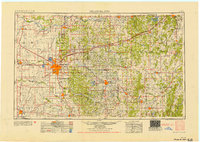 1954 Oklahoma City1954 Print · USGSOklahoma City and its surrounding counties are captured here in the early fifties during a period of significant postwar growth. Researchers can trace the development of the Turner Turnpike and locate aviation hubs like Tinker Field or Will Rogers Field.
 - 1957 Map of Ardmore, 1968 Print
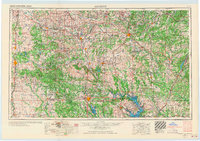 1957 Ardmore1968 Print · USGSSouth-central Oklahoma in the late fifties was a landscape of rising reservoir waters and expanding rail lines. Genealogists and historians can trace the foundations of Ardmore and Duncan or locate early recreation sites at Platt National Park and Lake Murray State Park.3 unique versions available
 - 1957 Map of Oklahoma City, 1969 Print
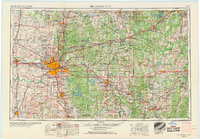 1957 Oklahoma City1969 Print · USGSCentral Oklahoma is captured here in a period of significant mid-century growth and industrialization. Researchers can trace family roots through numerous rural markers like Memory Lane Cem, New Hope School, and the sprawling grounds of Tinker Air Force Base.3 unique versions available
 - 1963 Map of Ardmore
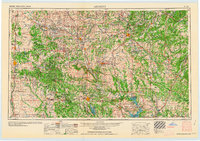 1963 Ardmore1963 Print · USGSSouthern Oklahoma during the early sixties shows a landscape defined by the Arbuckle Mountains and a booming energy economy. Genealogists and historians can trace family-named sites across the Ardmore Oil Field, find old schools like Southeastern State College, or locate historic markers such as Boggy Depot State Park.2 unique versions available
 - 1963 Map of Oklahoma City
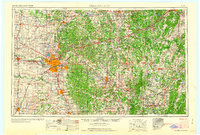 1963 Oklahoma City1963 Print · USGSCentral Oklahoma in the early sixties showcases a landscape of rapid suburban growth and established oil production. Researchers can trace historic rail lines like the Chicago Rock Island and Pacific RR or locate rural landmarks such as Mayflower School and Bethel Church.
 - 1966 Map of Chickasha, 1967 Print
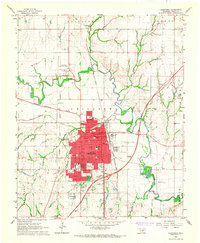 1966 Chickasha1967 Print · USGSChickasha flourished as a vital rail and educational center in central Oklahoma during the mid-sixties. Local researchers can trace the Indian Territory Boundary Line and locate historic sites like the Oklahoma College for Women and Rose Hill Cemetery.2 unique versions available
 - 1975 Map of Rush Springs NW, 1976 Print
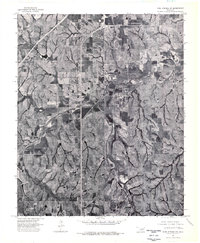 1975 Rush Springs NW1976 Print · USGSOklahoma's agricultural heartland is captured during the mid-seventies in this detailed aerial orthophotograph of Grady County. Genealogists and land researchers can trace property boundaries near Ninnekah and follow the natural meanders of the Little Washita River.
 - 1981 Map of East Ninnekah, 1982 Print
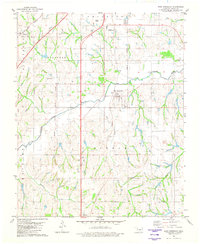 1981 East Ninnekah1982 Print · USGSGrady County's landscape in the early eighties reveals a unique intersection of modern infrastructure and territorial history. Genealogists and local historians can trace the Indian Territory Oklahoma Boundary past Moncrief Cem and the small settlement of Agawam.
 - 1985 Map of Oklahoma City South
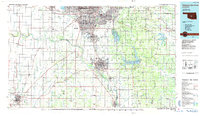 1985 Oklahoma City South1985 Print · USGSOklahoma City and its southern neighbors show a period of significant growth during the mid-eighties as suburban expansion met rural county lines. Researchers can trace the development of Tinker Air Force Base and locate smaller communities like Goldsby, Stella, and Woody Chapel.2 unique versions available
 - 1986 Map of Pauls Valley
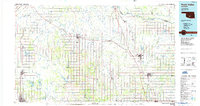 1986 Pauls Valley1986 Print · USGSGarvin County and its neighbors are shown in the mid-1980s during a period of steady growth along the Washita River. Researchers can trace the path of the Atchison Topeka and Santa Fe railroad through Pauls Valley or locate rural sites like Mt Olive Church and Erin Springs.2 unique versions available
 - 2009 Map of Ninnekah, 2009 Print
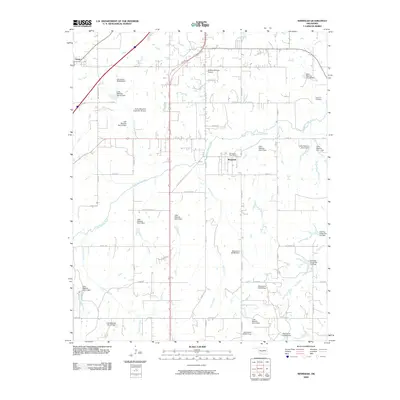 2009 Ninnekah2009 Print · USGSThe rural landscape near Chickasha is captured here in the early twenty-first century, centered on the community of Ninnekah. Researchers can trace old family burial grounds at Moncrief Cemetery and locate civic landmarks like the Ninnekah Post Office and the historic Chisolm Trl.
 - 2010 Map of Chickasha, 2010 Print
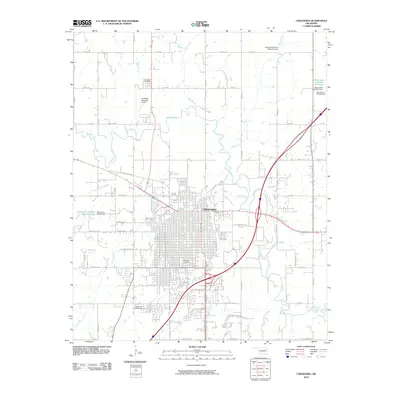 2010 Chickasha2010 Print · USGSChickasha and its surrounding river valley are shown in the early twenty-first century, revealing a landscape shaped by the Washita River. Genealogists and researchers can locate Rose Hill Cemetery, Fair Lawn Cemetery, and the Chickasha Municipal Airport.
 - 2012 Map of Chickasha, 2012 Print
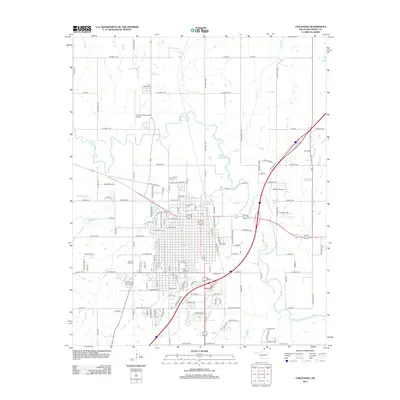 2012 Chickasha2012 Print · USGSGrady County's hub at Chickasha is shown here in the early 2010s, mapping the city's growth alongside the Washita River. Researchers can locate the Univ Of Science And Arts Of Oklahoma and trace family histories at Rose Hill Cem or Fairview Park Cem.
 - 2012 Map of Ninnekah, 2012 Print
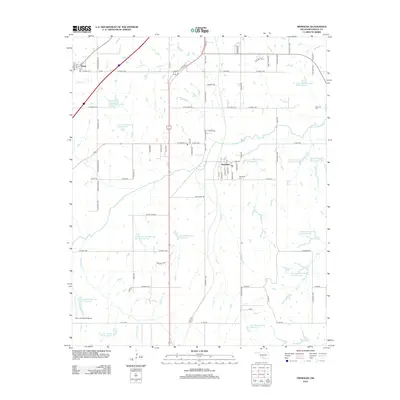 2012 Ninnekah2012 Print · USGSNinnekah and Norge appear in the early twenty-first century as centers of a rural Oklahoma landscape shaped by the Little Washita River. Researchers can locate family sites near Ninnekah Cem, trace the local water network of Little Washita Site 4 Reservoir, or find Neil's Sky Ranch Airport.
 - 2016 Map of Ninnekah, 2016 Print
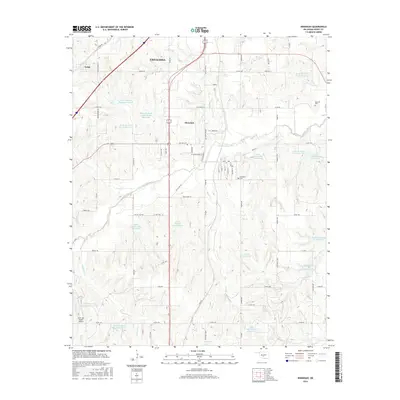 2016 Ninnekah2016 Print · USGSGrady County at the midpoint of the 2010s reveals a landscape defined by water management and historic cattle trails. Researchers can trace the legacy of the Chisolm Trl alongside modern infrastructure like Neil's Sky Ranch Airport and the Rainy Mountain Creek Site 20 Reservoir.
 - 2016 Map of Chickasha, 2016 Print
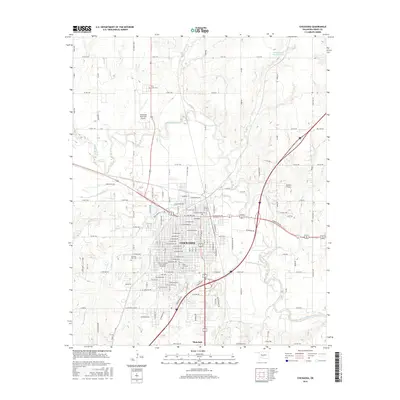 2016 Chickasha2016 Print · USGSChickasha and the surrounding Oklahoma plains are captured here in the mid-2010s, showing a landscape shaped by river bends and regional aviation. Researchers can trace the grounds of the Univ of Science and Arts of Oklahoma or locate family plots in Rose Hill Cem and Fair Lawn Cem.
 - 2018 Map of Ninnekah, 2018 Print
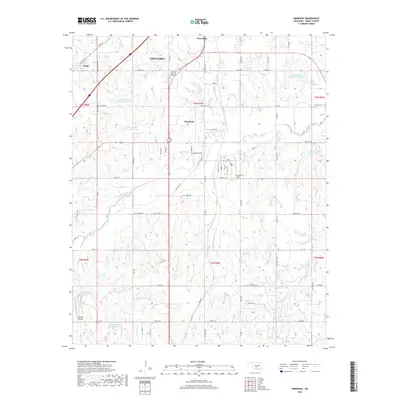 2018 Ninnekah2018 Print · USGSThe Oklahoma prairie south of Chickasha is defined by modern water management and rural homesteads in the late twenty-first century. Researchers can trace local lineages through Ninnekah Cem or locate regional landmarks like Skyroads Airport and Norge.
 - 2018 Map of Chickasha, 2018 Print
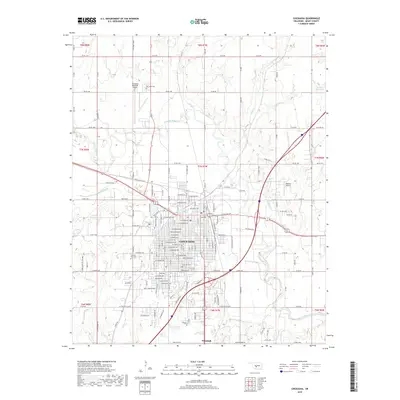 2018 Chickasha2018 Print · USGSChickasha and Ninnekah are documented in this late 2010s survey as they border the winding Washita River. Researchers can pinpoint family history sites at Fair Lawn Cem and Rose Hill Cem or trace aviation routes through the Chickasha Municipal Airport.
 - 2022 Map of Chickasha, 2022 Print
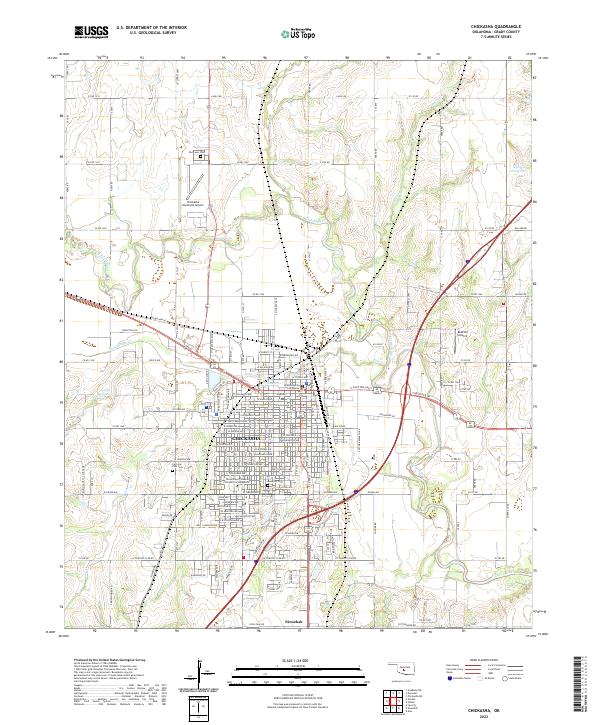 2022 Chickasha2022 Print · USGSThe city of Chickasha and the Washita River valley are captured in this modern survey of central Oklahoma. Researchers can trace the layout of the University of Science and Arts of Oklahoma or locate family plots at Fairview Park Cem and Rose Hill Cem.
 - 2022 Map of Ninnekah, 2022 Print
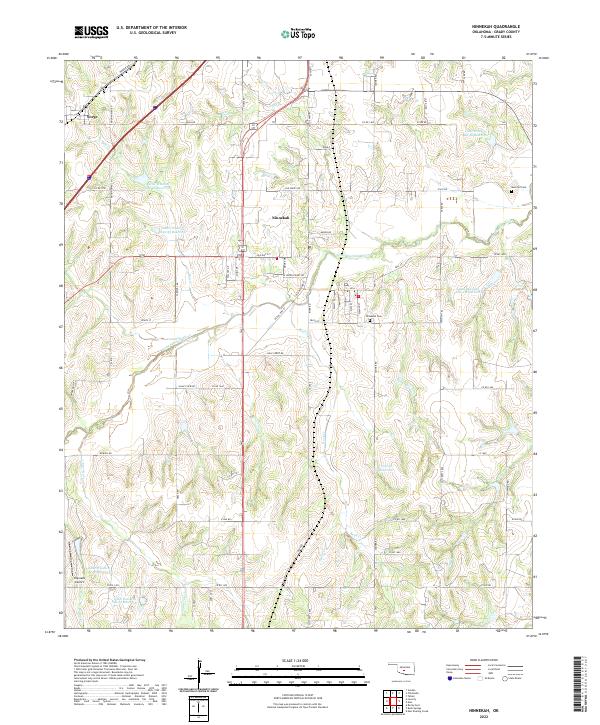 2022 Ninnekah2022 Print · USGSNinnekah and the surrounding Grady County countryside are shown here in the 2020s, a landscape defined by the Little Washita River and its many reservoirs. Researchers can locate family landmarks like Muncrief Cem and the historic route of the Chisolm Trl.
End of results
Showing maps 1-24 of 24
Top cities near Ninnekah
- Chickasha historical maps
- Rush Springs historical maps
- Sterling historical maps
- Verden historical maps
- Alex historical maps
- Amber historical maps
See more
Frequently asked questions
- What are the different types of historical maps available for Ninnekah?
- What is the oldest map of Ninnekah?
- Where can I purchase historical maps of Ninnekah for my home or office?
- Where can I download high-res historical maps of Ninnekah?
- Are there historical topographic maps available for Ninnekah?
- Is there historical aerial imagery available for Ninnekah?
- Where are historical maps of Ninnekah sourced from?