Old Maps of Inola, Oklahoma for Hiking & Exploration
Hike through history with 27 historic maps of Inola. Explore old trails, ghost towns, and forgotten backroads — perfect for outdoor adventurers and local explorers.
- Rediscover forgotten places: Map out old mining camps, roads, and footpaths that no longer exist on modern maps.
- Layer with modern tools: Combine with LiDAR or satellite views to plan hikes through historical terrain.
- Made for exploration: Popular among hikers, overlanders, and local history lovers.
Use these maps to find adventure and explore the hidden past of Inola.
Inola, OK maps
(27)- 1896 Map of Pryor, 1963 Print
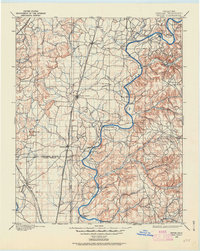 1896 Pryor1963 Print · USGSThe Cherokee Nation comes into focus during the late nineteenth century as railroads began to transform the Indian Territory landscape. Genealogists and historians can trace essential river crossings like Sixkiller Ferry and Adams Ford or locate early settlements such as Bushyhead and Mazie.
 - 1901 Map of Claremore
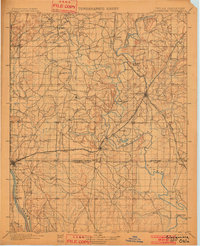 1901 Claremore1901 Print · USGSThe Cherokee, Osage, and Creek Nations converge in the Indian Territory during this era of rapid railroad expansion. Researchers can trace early settlements and tribal boundaries, locating the Island Ferry, the junction at Claremore, and early Tulsa.4 unique versions available
 - 1901 Map of Pryor
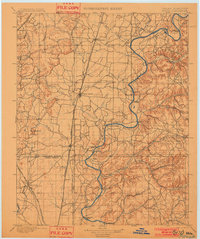 1901 Pryor1901 Print · USGSIndian Territory at the turn of the century shows a landscape transitioning from tribal lands to a rail-connected frontier. Genealogists and historians can trace early river crossings like Markham Ferry and Dirteater Ford alongside frontier settlements like Choteau and Bushyhead.5 unique versions available
 - 1914 Map of Claremore, 1959 Print
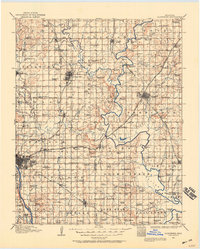 1914 Claremore1959 Print · USGSNortheastern Oklahoma was a landscape of river crossings and rail towns in the years just before the Great War. Genealogists and researchers can trace the locations of dozens of vanished rural schools like Elm Ridge School, river landmarks such as Thomas Ferry, and the early footprints of Broken Arrow and Tulsa.
 - 1916 Map of Claremore
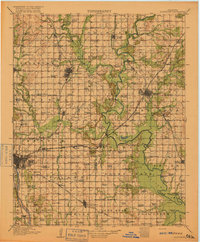 1916 Claremore1916 Print · USGSThe Verdigris River valley and the burgeoning rail hubs of Rogers and Tulsa counties are captured here just after Oklahoma statehood. Genealogists can locate family homesteads near dozens of early schools like Fair Valley School or early churches such as Greenwood Chapel.4 unique versions available
 - 1954 Map of Tulsa
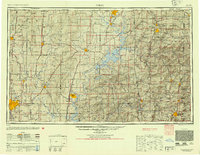 1954 Tulsa1954 Print · USGSNortheast Oklahoma and the Ozark border are shown here during a period of massive industrial and infrastructure growth. Researchers can trace the legacy of the Tri-State Mining District and the development of major reservoirs like Grand Lake O' The Cherokees.2 unique versions available
 - 1958 Map of Tulsa, 1968 Print
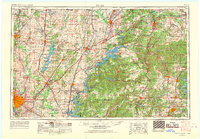 1958 Tulsa1968 Print · USGSNortheast Oklahoma and the Ozark borderlands are captured here during a massive era of reservoir construction and highway expansion. Researchers can trace the mid-century footprints of Tulsa, the sprawling Lake O' the Cherokees, and historical sites like Pea Ridge National Military Park.3 unique versions available
 - 1963 Map of Tulsa
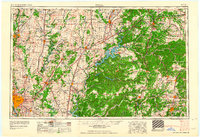 1963 Tulsa1963 Print · USGSThe Oklahoma and Arkansas borderlands are shown here in the early sixties, a time of massive reservoir construction and heavy mining. Genealogists can trace family roots through settlements like Nowata, Pryor, and Jay, or locate historical zinc and lead mines and coal mines.
 - 1963 Map of Catoosa SE, 1964 Print
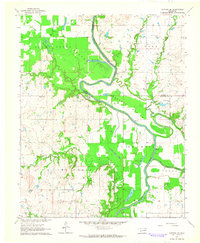 1963 Catoosa SE1964 Print · USGSThe Verdigris River valley in the early sixties reveals a landscape of oxbow lakes and bottomland agriculture. Genealogists and historians can trace the rural community through landmarks like Childers Cem, Thomas Ch, and the small settlement of Adams.4 unique versions available
 - 1963 Map of Inola, 1964 Print
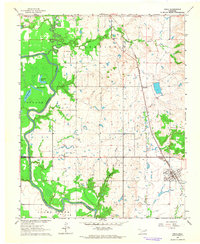 1963 Inola1964 Print · USGSNortheastern Oklahoma’s agricultural and industrial landscape is captured here in the early sixties, as the Verdigris River valley transitions toward Rogers and Wagoner counties. Genealogists and historians can locate rural landmarks like Sweeten Cemetery, Gregory School, and the Missouri Pacific rail corridor.3 unique versions available
 - 1970 Map of Chouteau NW, 1972 Print
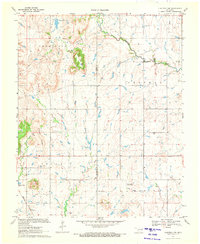 1970 Chouteau NW1972 Print · USGSNortheast Oklahoma at the start of the seventies reveals a rural landscape anchored by the Missouri Pacific railroad and family-centered landmarks. Genealogists and local historians can locate the Amish Cem, Brethren Cem, and the prominent Scaly Bark Mountain.
 - 1985 Map of Tulsa
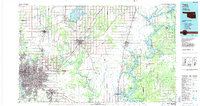 1985 Tulsa1985 Print · USGSNortheastern Oklahoma in the mid-eighties shows a landscape shaped by massive reservoirs and a bustling transportation network. Researchers can trace the path of the Will Rogers Turnpike or locate local landmarks like Mohawk Park and Oologah Lake.2 unique versions available
 - 2010 Map of Inola, 2010 Print
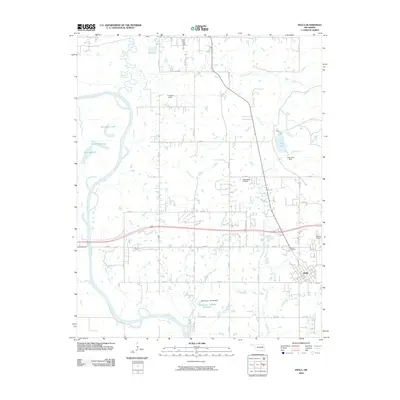 2010 Inola2010 Print · USGSInola and its surrounding Rogers County ranchlands are captured here at the start of the 2010s. Researchers can trace family ties at Sweeten Cemetery or explore the river-driven landscape around Horseshoe Lake and the Verdigris River.
 - 2010 Map of Catoosa SE, 2010 Print
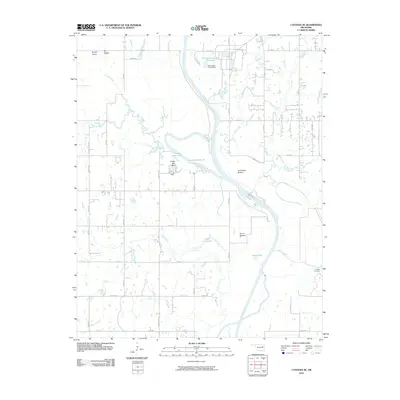 2010 Catoosa SE2010 Print · USGSInola, Oklahoma, and the Verdigris River valley are shown here just after the first decade of the millennium. Researchers can trace the river's path through Snake Den Bluff or locate local landmarks like Childers Cemetery and Lock and Dam 18.
 - 2010 Map of Chouteau NW, 2010 Print
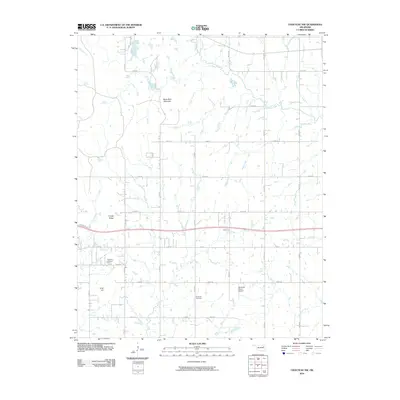 2010 Chouteau NW2010 Print · USGSOklahoma's Rogers County countryside is shown here in the early twenty-first century as a landscape of grid-roads and high points. Genealogists and historians can locate the Highland Cemetery, Brethren Cemetery, and Buzzards Roost Airport.
 - 2012 Map of Chouteau NW, 2012 Print
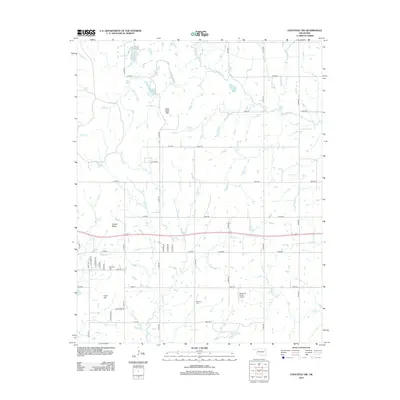 2012 Chouteau NW2012 Print · USGSThe plains of Rogers County are mapped in detail during the early 21st century, showing the rural grid and creek drainage systems. Researchers can locate significant sites like Highland Cem, Brethren Cem, and the private airfield at Buzzards Roost Airport.
 - 2013 Map of Catoosa SE, 2013 Print
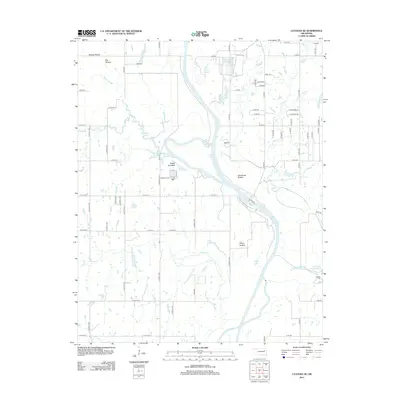 2013 Catoosa SE2013 Print · USGSThe Verdigris River valley near Inola appears here in the early 2010s, showing a landscape defined by river management and rural settlement. Researchers can trace land patterns along Snake Den Bluff, locate the Childers Cem, and study the river's path through Guinn Bottom.
 - 2013 Map of Inola, 2013 Print
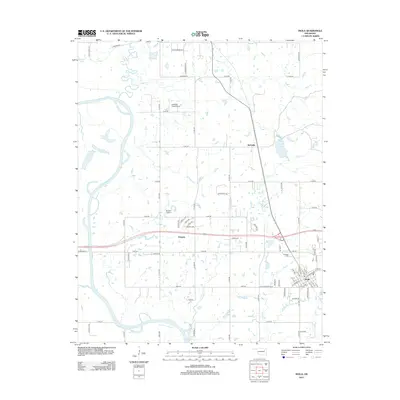 2013 Inola2013 Print · USGSEastern Rogers County in the early twenty-first century is a landscape of river bends and growing prairie towns. Researchers can trace local lineage at Sweeten Cem or explore the aviation footprints of Gilstrap Field Airport and Dobie's Airport.
 - 2016 Map of Chouteau NW, 2016 Print
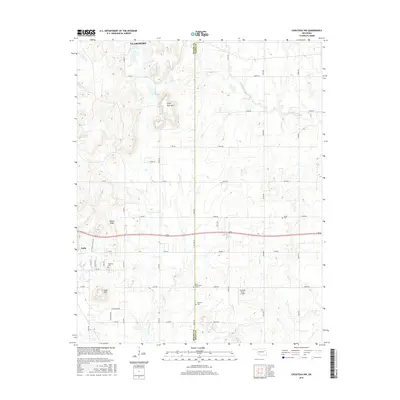 2016 Chouteau NW2016 Print · USGSNortheastern Oklahoma's rural landscapes are captured here in the mid-2010s, showing the intersection of Rogers and Mayes counties. Genealogists can trace local heritage through several small burial grounds like the Amish Cem and Eden Mennonite Cem near Inola Hill.
 - 2016 Map of Catoosa SE, 2016 Print
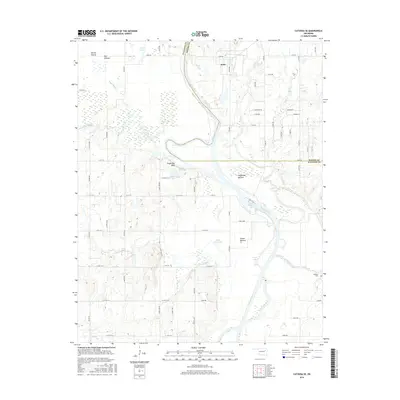 2016 Catoosa SE2016 Print · USGSThe Verdigris River corridor southeast of Inola is captured here in the mid-2010s, showcasing a landscape shaped by river navigation and floodplains. Researchers can locate Childers Cem, trace the waters of Newt Graham Lake, and see the engineering at Lock and Dam 18.
 - 2016 Map of Inola, 2016 Print
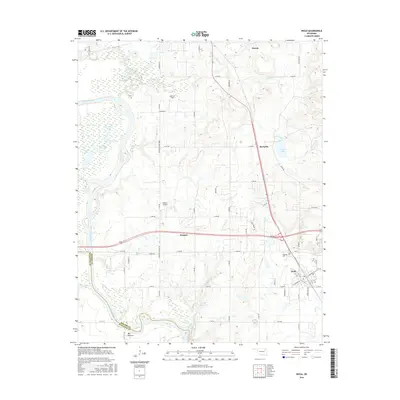 2016 Inola2016 Print · USGSThe Verdigris River valley and the growing town of Inola are captured here in the mid-2010s. Local researchers can trace family sites at Sweeten Cem or explore the rural landscapes around Gregory, Tiawah, and Gilstrap Field.
 - 2019 Map of Inola, 2019 Print
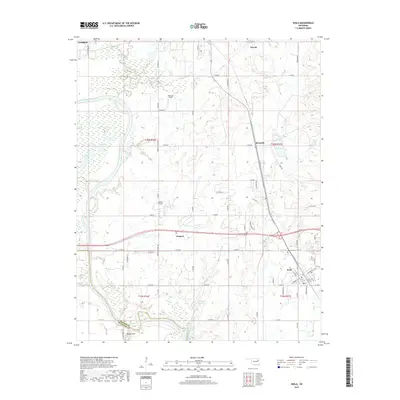 2019 Inola2019 Print · USGSInola and the Verdigris River valley are shown here in the late 2010s, capturing a landscape defined by oxbow lakes and rural aviation. Researchers can locate the Sweeten Cem, trace the oxbows of Horseshoe Lake, or explore the small communities of Gregory and McFarlin.
 - 2019 Map of Catoosa SE, 2019 Print
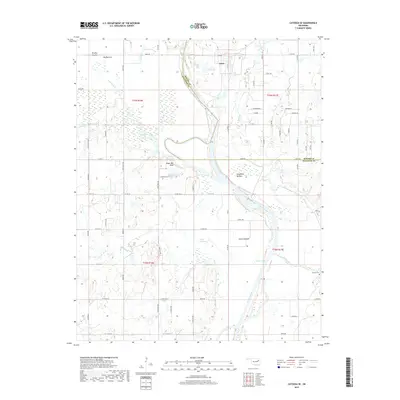 2019 Catoosa SE2019 Print · USGSNortheastern Oklahoma at the edge of the Verdigris River valley is captured here in the late 2010s. Researchers can locate family roots near Childers Cem or trace the geography of the floodplain from Snake Den Bluff to Guinn Bottom.
 - 2019 Map of Chouteau NW, 2019 Print
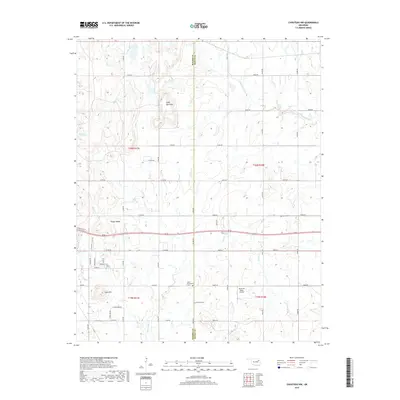 2019 Chouteau NW2019 Print · USGSThe Rogers and Mayes county line comes into focus in this late 2010s survey, showing a landscape shaped by agricultural communities. Genealogists can trace local roots through several denominational sites, including the Eden Mennonite Cem, Amish Cem, and Brethren Cem.
 - 2022 Map of Chouteau NW, 2022 Print
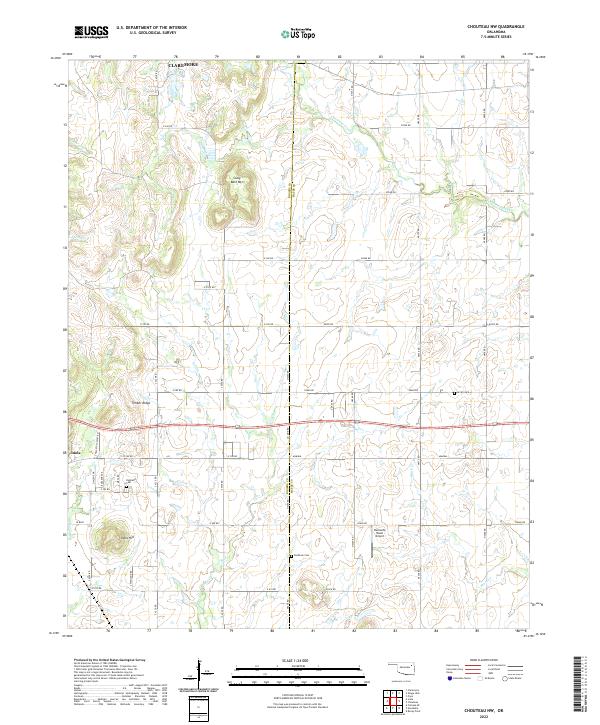 2022 Chouteau NW2022 Print · USGSEastern Oklahoma's rural transition is captured here between the growth of Claremore and Inola. Genealogists can trace family ties at Highland Cem, Amish Cem, and Brethren Cem, or locate landmarks like Buzzards Roost Airport.
Showing maps 1-25 of 27
Top cities near Inola
- Tulsa historical maps
- Owasso historical maps
- Claremore historical maps
- Pryor Creek historical maps
- Coweta historical maps
- Wagoner historical maps
See more
Frequently asked questions
- What are the different types of historical maps available for Inola?
- What is the oldest map of Inola?
- Where can I purchase historical maps of Inola for my home or office?
- Where can I download high-res historical maps of Inola?
- Are there historical topographic maps available for Inola?
- Is there historical aerial imagery available for Inola?
- Where are historical maps of Inola sourced from?