2000-2009 Maps of Lake County, Oregon
Explore 55 historic maps of Lake County from 2000-2009. These maps offer a rare glimpse into what life looked like during the 2000s — showing old roads, neighborhoods, homes, and landmarks that have changed or disappeared over time.
Whether you're researching your family's past, planning a metal detecting trip, or studying how Lake County's landscape evolved across the 2000s, these high-resolution maps are a powerful tool for exploring the history of this region.
- Focus on a specific era: All maps on this page are from the 2000s, giving you a focused view of this time period.
- See what’s changed: Compare century-old streets, trails, and buildings to today's modern landscape using overlays and satellite layers.
- Research with precision: Use these maps for genealogy, historical research, land use analysis, or educational projects.
- View, download, or print: Maps are fully viewable online in high resolution, and can be downloaded or printed for your own records.
Start exploring Lake County's history through authentic maps from the 2000s. This is your window into the past.
Lake County, OR maps
(55)- 2004 Map of Foster Butte, 2007 Print
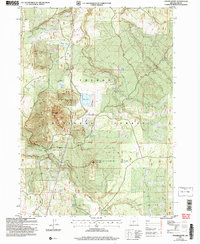 2004 Foster Butte2007 Print · USGSThe Fremont National Forest in the early 2000s reveals a high-altitude landscape shaped by water and timber. Researchers can trace historic range features like McCall Dipping Vat Spring or explore landmarks like Foster Butte and Buckaroo Lake.
 - 2004 Map of Coleman Point, 2007 Print
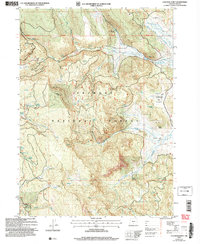 2004 Coleman Point2007 Print · USGSLake County high country is shown here in the early 2000s, where national forest land meets remote ranching outposts. Researchers can trace historic land use and water sources through Anderson Ranch, the Morgan Prospect, and landmarks like Coleman Point.
 - 2004 Map of Coffeepot Creek, 2007 Print
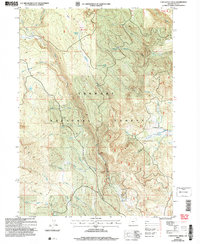 2004 Coffeepot Creek2007 Print · USGSLake County high country comes into focus in the early 2000s, showing a landscape defined by forest management and rugged drainages. Researchers can locate remote outposts like Scissors Cabin or trace the path of the Hanan Trail and Dead Horse Rim Trail.
 - 2004 Map of Bridge Creek Draw, 2007 Print
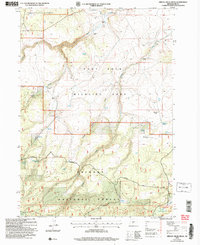 2004 Bridge Creek Draw2007 Print · USGSLake County ranching and conservation efforts are captured here in the early 2000s, showing a landscape defined by isolated homesteads and public forest lands. Genealogists and local historians can locate specific family-named landmarks like Pitcher Ranch, Brewer Ranch, and the McBroom Spring.
 - 2004 Map of Shoestring Butte, 2007 Print
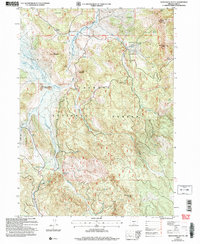 2004 Shoestring Butte2007 Print · USGSLake County's high forest country is captured here in the early 2000s, showing the complex watershed and fire-watch infrastructure of the day. Trace the path of the Chewaucan River or locate remote landmarks like the Shoestring Butte Lookout and Thomas Creek Work Center.
 - 2004 Map of Thompson Reservoir, 2007 Print
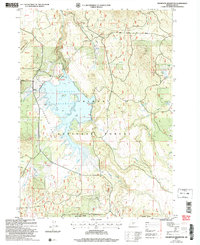 2004 Thompson Reservoir2007 Print · USGSLake County high country comes into focus in the early 2000s, centered on the waters of the Thompson Reservoir. Outdoor enthusiasts and historians can trace the remote trails and forest roads leading to Tool Box Spring, family-named landmarks like McCall Cr, and the industrial Cinder Pits.
 - 2004 Map of Oatman Flat, 2007 Print
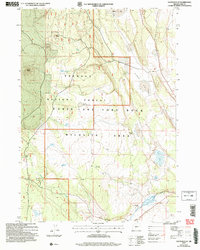 2004 Oatman Flat2007 Print · USGSLake County, Oregon, at the start of the 21st century reveals a landscape defined by volcanic buttes and isolated homesteads. Genealogists and historians can trace family-named sites like Deadmond Place and Stratton Place or locate remote camps such as Freeman Dry Camp.
 - 2004 Map of Crooked Creek Valley, 2007 Print
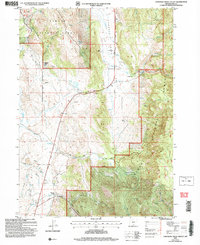 2004 Crooked Creek Valley2007 Print · USGSRanching life and timber management define this corner of Lake County at the turn of the millennium. Genealogists and historians can trace family-named sites like Kittleson Place and Gunkel Ranch along the Outback Scenic Byway.
 - 2004 Map of Pole Butte, 2007 Print
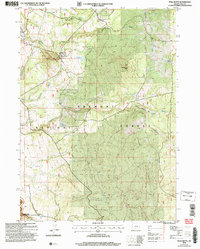 2004 Pole Butte2007 Print · USGSLake County high country within the Fremont National Forest is documented here at the turn of the millennium. Researchers can trace forest management landmarks like the Puddle Spring Guard Station or locate remote water sources such as Emigrant Lake and Picture Tree Springs.
 - 2004 Map of Cougar Peak, 2007 Print
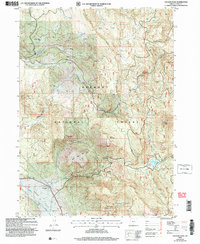 2004 Cougar Peak2007 Print · USGSThe Fremont National Forest is revealed in detail during the early 2000s, showing a landscape defined by timber, water, and high ridges. Researchers can trace the ranching history at Drews Valley Ranch or locate backcountry landmarks like Razor Back Ridge and Cottonwood Meadow Lake.
 - 2004 Map of Harvey Creek, 2007 Print
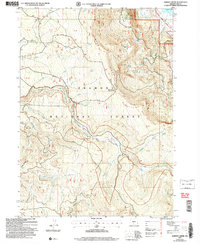 2004 Harvey Creek2007 Print · USGSLake County, Oregon, remains a landscape of high-elevation forest and river canyons at the start of the millennium. Researchers can trace the paths of the Fremont National Recreation Trail, locate the Snow Cabin, and identify the Prospect site.
 - 2004 Map of Lakeview, 2007 Print
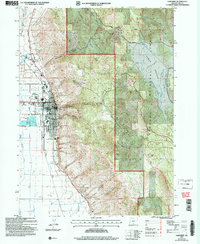 2004 Lakeview2007 Print · USGSLakeview sits at the edge of the high desert and timbered mountains during the early 2000s. Researchers can trace the local infrastructure from the IOOF Cem and Hay Sch to the nearby Warner Canyon Ski Area.
 - 2004 Map of Clover Flat, 2007 Print
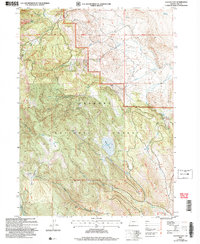 2004 Clover Flat2007 Print · USGSLake County, Oregon, is captured here in the early 2000s, showing a landscape defined by federal forest management and ranching. Genealogists and historians can locate the Counts Ranch and trace water rights at O'Leary Reservoir or Buck Spring.
 - 2004 Map of Shake Butte, 2007 Print
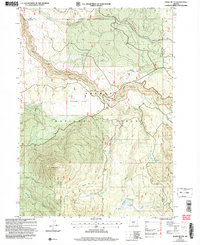 2004 Shake Butte2007 Print · USGSThe Fremont National Forest in the early 2000s reveals a managed wilderness where the Sycan River meets historic travel routes. Researchers can trace the Emigrant Crossing (Site), locate the Currier Guard Station, and study the drainage of Kingry Marsh.
 - 2004 Map of Quartz Valley, 2007 Print
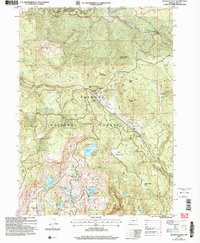 2004 Quartz Valley2007 Print · USGSHigh-altitude Oregon forest and water management define this area in the early 2000s. Researchers can trace the footprint of mountain industry at Quartz Mountain or locate sites like Angel Camp (Site) and Creed Field.
 - 2004 Map of Fremont Point, 2007 Print
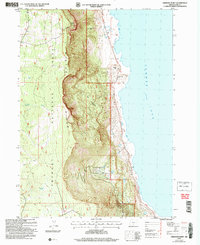 2004 Fremont Point2007 Print · USGSThe high-desert escarpments of Lake County are captured here in the early 2000s as the Fremont National Recreation Trail skirts the edge of Winter Ridge. Trace the topography from the Fremont Point Fire Lookout Tower down to the Ana River and the shores of Summer Lake.
 - 2004 Map of Antelope Mountain, 2007 Print
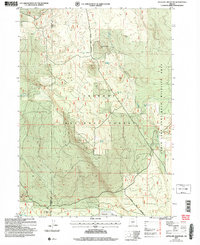 2004 Antelope Mountain2007 Print · USGSHigh-desert forest lands and volcanic buttes define the Klamath and Lake county borders at the start of the millennium. Researchers can trace remote water sources like Glades Well and historical landmarks such as Tobin Cabin or the Cinder Pit.
 - 2004 Map of Drews Reservoir, 2007 Print
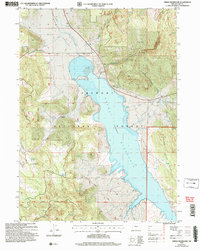 2004 Drews Reservoir2007 Print · USGSDrews Reservoir and its high-desert surroundings appear in detail during the early 2000s within the Fremont National Forest. Researchers can trace old ranching boundaries near Hay Creek Ranch or locate remote watering points like Salt Spring and Dip Spring.
 - 2004 Map of Lakeview Airport, 2007 Print
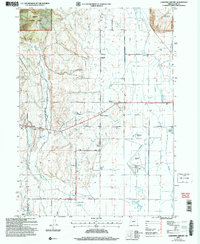 2004 Lakeview Airport2007 Print · USGSThe Goose Lake Valley comes alive in this early 2000s revision, showing the essential infrastructure of Lake County. Researchers can trace land ownership at Leehmann Ranch or locate the old New Idaho School and the Lakeview Airport.
 - 2004 Map of Little Honey Creek, 2007 Print
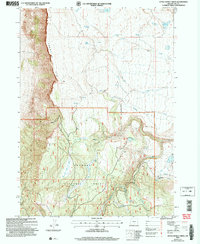 2004 Little Honey Creek2007 Print · USGSLake County's high desert meets the national forest in the early 2000s, showcasing a landscape of dramatic rimrock and hidden springs. Historians can locate the Fort Warner (Site), ancient Petroglyphs, and old ranching landmarks like Chandler Cabin.
 - 2004 Map of Sycan Marsh West, 2007 Print
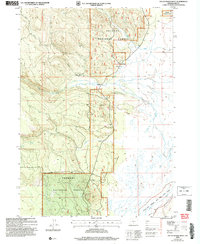 2004 Sycan Marsh West2007 Print · USGSLake County's high-desert timberlands and marsh edges are captured here during the early 2000s, showing a landscape defined by forest service roads and ranching. Researchers can locate the Camp Fifteen (Site), the Carton Ranch, and the protected waters of the Sycan River.
 - 2004 Map of Big Baldy, 2007 Print
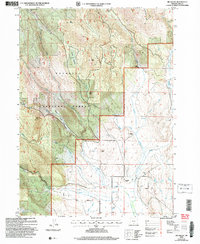 2004 Big Baldy2007 Print · USGSLake County, Oregon, is captured here at the start of the new millennium, showing a landscape defined by ranching and forest management. Researchers can trace land use through the Maxwell Ranch, locate the McDonald Camp (Site), and study the water networks of Bauers Creek.
 - 2004 Map of Wickiup Spring, 2007 Print
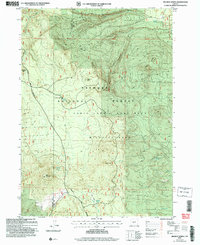 2004 Wickiup Spring2007 Print · USGSHigh desert timberlands and volcanic peaks define this Lake County region at the turn of the millennium. Researchers can locate critical water sources like Wickiup Spring and Pothole Spring or trace the fire-watch history at Bald Mountain Lookout.
 - 2004 Map of Sycan Marsh East, 2007 Print
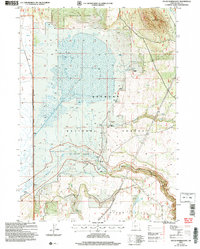 2004 Sycan Marsh East2007 Print · USGSLake County ranching and water management are the focus of this early 2000s survey of the high desert marshlands. Researchers can locate family-named landmarks like Brattain Ranch and trace the protected waters of the Sycan Wild and Scenic River.
 - 2004 Map of Campbell Reservoir, 2007 Print
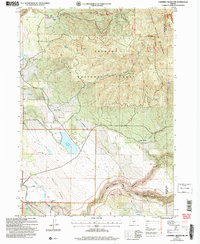 2004 Campbell Reservoir2007 Print · USGSIn the high-altitude landscapes of the Oregon backcountry after the turn of the millennium, this survey captures a rugged watershed of timber and lava. Researchers can trace the remote Swede Cabin, the volcanic terrain of Devils Garden, and the waters of Campbell Reservoir.
Showing maps 1-25 of 55
Top cities of Lake County
Frequently asked questions
- What are the different types of historical maps available for Lake County?
- What is the oldest map of Lake County?
- Where can I purchase historical maps of Lake County for my home or office?
- Where can I download high-res historical maps of Lake County?
- Are there historical topographic maps available for Lake County?
- Is there historical aerial imagery available for Lake County?
- Where are historical maps of Lake County sourced from?