Old Maps of Spring Creek Township, Pennsylvania for Hiking & Exploration
Hike through history with 31 historic maps of Spring Creek Township. Explore old trails, ghost towns, and forgotten backroads — perfect for outdoor adventurers and local explorers.
- Rediscover forgotten places: Map out old mining camps, roads, and footpaths that no longer exist on modern maps.
- Layer with modern tools: Combine with LiDAR or satellite views to plan hikes through historical terrain.
- Made for exploration: Popular among hikers, overlanders, and local history lovers.
Use these maps to find adventure and explore the hidden past of Spring Creek Township.
Spring Creek Township, PA maps
(31)- 1940 Map of Hallton
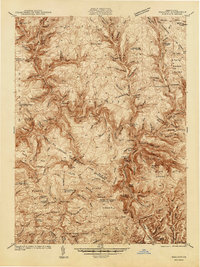 1940 Hallton1940 Print · USGSElk and Jefferson Counties appear here in the early 1940s, showing a landscape defined by the Clarion River valley and the growth of the Allegheny National Forest. Researchers can find old industrial sites and rural landmarks like the Empire Tunnel, St Tobias Cem, and the CCC Camp.3 unique versions available
 - 1943 Map of Hallton
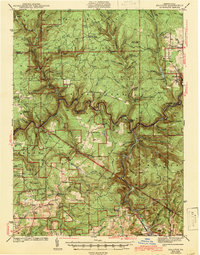 1943 Hallton1943 Print · USGSThe Clarion River valley and surrounding plateau are captured here just before the mid-century, revealing a network of isolated settlements and forest industry. Researchers can find old sites like the CCC Camp near Croyland, the Empire Tunnel, and small rural schools including Lake City Sch.3 unique versions available
 - 1957 Map of Warren, 1964 Print
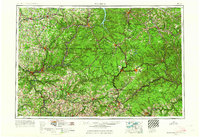 1957 Warren1964 Print · USGSThe northern Pennsylvania oil and timber country comes into focus in the mid-fifties, showing the region before modern highway expansions. Trace the industrial rail networks of the Pennsylvania RR and the early Allegheny River Reservoir near Warren and Oil City.4 unique versions available
 - 1958 Map of Warren
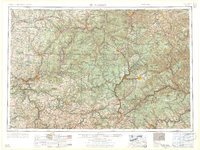 1958 Warren1958 Print · USGSNorthern Pennsylvania’s timber and oil country is captured here during the late fifties, showing the interplay of industrial valleys and vast state forests. Genealogists can trace family connections across the Cornplanter Indian Reservation or through rail hubs like Oil City and Saint Marys.
 - 1959 Map of Warren
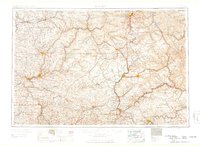 1959 Warren1959 Print · USGSNorthern Pennsylvania's oil and timber country comes alive in this late-fifties study of the forest-clad plateaus. Trace the historic Cornplanter (Indian Reservation), the sprawling Oil Field, and the rail lines of the Pennsylvania RR.2 unique versions available
 - 1969 Map of Munderf, 1972 Print
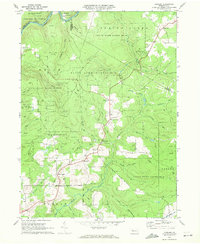 1969 Munderf1972 Print · USGSJefferson County was a landscape of dense timber and energy extraction in the late sixties, where state forests met active gas fields. Genealogists and researchers can trace local families through small settlements like Munderf, the remote Munderf Cem, and old crossroads at Schoffner Corner and Dutch Hill.3 unique versions available
 - 1969 Map of Hallton, 1972 Print
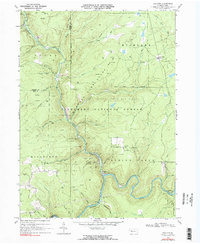 1969 Hallton1972 Print · USGSElk County's deep woods and river valleys are captured here in the late sixties as the regional gas industry and national forest lands shaped the terrain. Researchers can locate the Maxwell Run Cem, the river settlement of Arroyo, and the remote Lookout Tower.2 unique versions available
 - 1969 Map of Portland Mills, 1972 Print
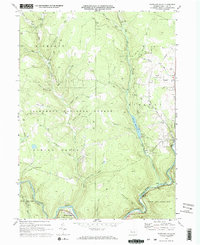 1969 Portland Mills1972 Print · USGSElk County during the late sixties shows a landscape of deep woods and industrial utility. Genealogists and historians can trace the Penn Central rail lines, find family names at Ott Cem, or locate landmarks like Kings Airfield and Portland Mills.2 unique versions available
 - 1970 Map of Carman, 1972 Print
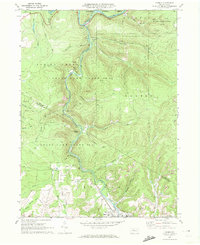 1970 Carman1972 Print · USGSElk and Jefferson counties during the 1970s show a landscape shaped by coal mining, timber, and the winding rail lines of the Baltimore and Ohio. Researchers can trace the industrial footprint of Strip Mine sites and find local landmarks like St Tobias Cem and the Empire Tunnel.3 unique versions available
 - 1971 Map of Warren
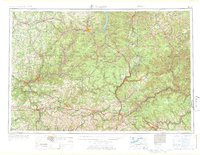 1971 Warren1971 Print · USGSNorth Central Pennsylvania is captured here in the early seventies, showing a landscape defined by industrial centers and massive state forests. Genealogists and historians can trace the rail lines of the Penn Central and Erie Lackawanna connecting towns like Warren, Kane, and Du Bois.
 - 1983 Map of Clearfield, 1984 Print
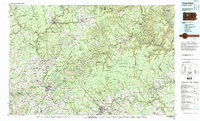 1983 Clearfield1984 Print · USGSPennsylvania's coal and timber heartland is captured in the early eighties as industrial hubs like Du Bois and Saint Marys thrived among the state forests. Genealogists can locate family landmarks like Morningside Cemetery, the old works at Dagus Mines, and the rural community of Byrnedale.
 - 2011 Map of Munderf, 2011 Print
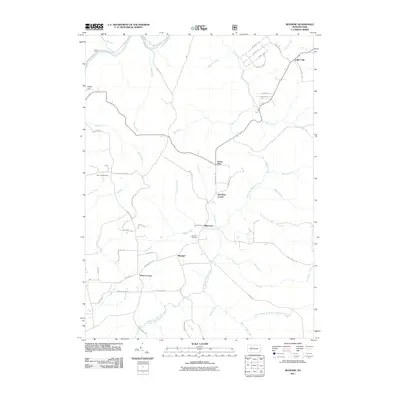 2011 Munderf2011 Print · USGSJefferson County’s plateau country is shown here in the early 2000s, where small settlements like Munderf and Blowtown anchor the rural landscape. Researchers can trace family roots at Munderf Cemetery or follow the winding Clarion River.
 - 2011 Map of Hallton, 2011 Print
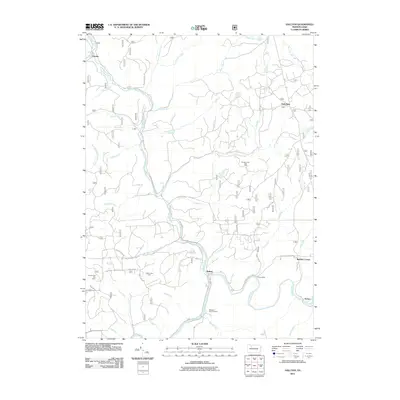 2011 Hallton2011 Print · USGSElk County's river valleys and gas fields are documented here in the early twenty-first century as the landscape maintains its industrial and woodland character. Researchers can pinpoint the Maxwell Run Cemetery, the Zimmerman Fire Tower, and historic sites like Irwins Mills.
 - 2011 Map of Carman, 2011 Print
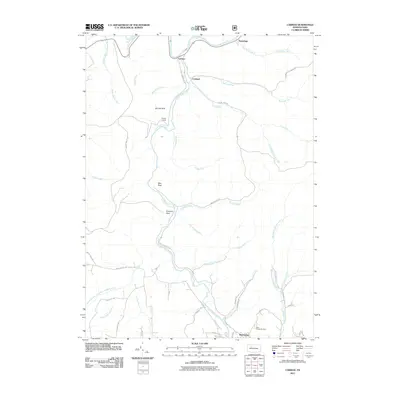 2011 Carman2011 Print · USGSElk County's highland valleys and river bends are captured here in the early twenty-first century. Genealogists and local historians can trace the paths around Carman, find Saint Tobias Cemetery, and locate the site of the Empire Tunnel.
 - 2011 Map of Portland Mills, 2011 Print
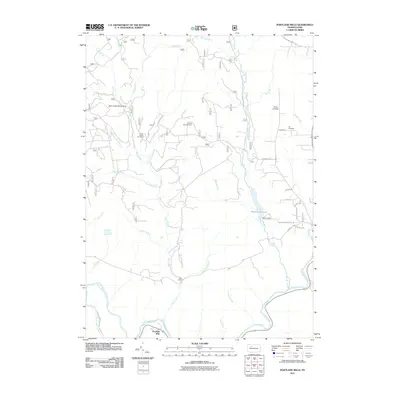 2011 Portland Mills2011 Print · USGSElk County at the start of the twenty-first century reveals a landscape shaped by the Clarion River and timbered hills. Genealogists and local historians can trace family markers at Ott Cemetery or locate industrial sites like the Bear Creek Gas Field and Norton Dam.
 - 2013 Map of Portland Mills, 2013 Print
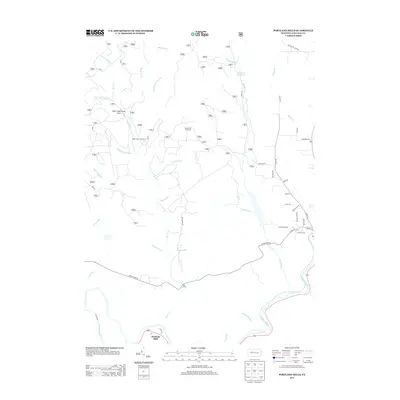 2013 Portland Mills2013 Print · USGSElk County at the beginning of the 2010s shows a landscape of deep timber and managed resource lands centered on the Clarion River. Genealogists and historians can trace the roads around Portland Mills or locate the Round Top Fire Tower and the Bear Creek Gas Field.
 - 2013 Map of Hallton, 2013 Print
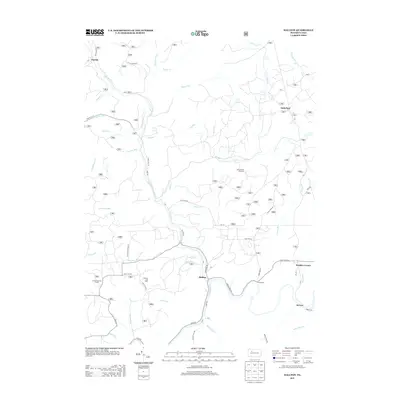 2013 Hallton2013 Print · USGSElk County during the early twenty-first century reveals a landscape where gas extraction and remote settlements meet along the Clarion River. Researchers can trace old family locales and industrial footprints at Hallton, Irwins Mills, and the Zimmerman Fire Tower.
 - 2013 Map of Munderf, 2013 Print
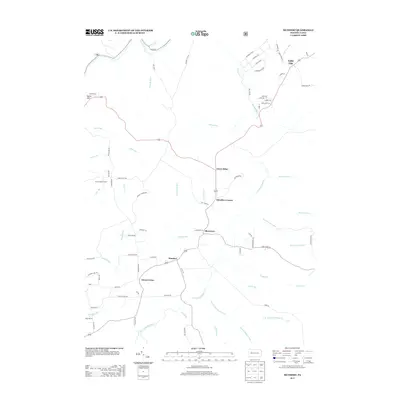 2013 Munderf2013 Print · USGSJefferson County rural life is captured here in the early twenty-first century, showing a network of small upland settlements. Researchers can trace family-named locales like Dixon Corner, Schoffner Corner, and the landmark Hays Lookout Tower.
 - 2013 Map of Carman, 2013 Print
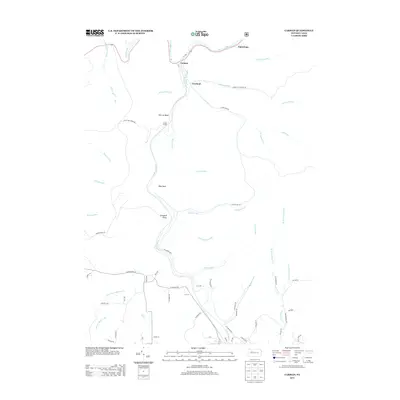 2013 Carman2013 Print · USGSElk County at the start of the 2010s reveals a landscape shaped by river valleys and deep-rooted settlements. Trace family ties and industrial heritage through sites like Carman, the Empire Tunnel, and the aptly named German Settlement Rd.
 - 2016 Map of Carman, 2016 Print
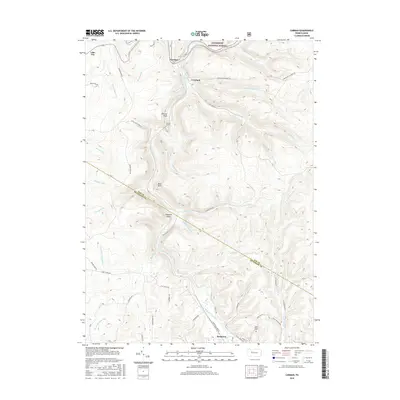 2016 Carman2016 Print · USGSElk and Jefferson Counties come together in this contemporary look at the rugged Allegheny Plateau. Genealogists and hikers can trace the geography around Brockway, the Saint Tobias Cem, and old passage points like the Empire Tunnel near Carman.
 - 2016 Map of Portland Mills, 2016 Print
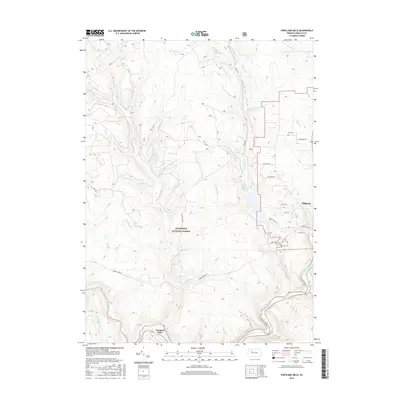 2016 Portland Mills2016 Print · USGSElk County's timbered highlands and deep river valleys are shown here in the mid-2010s as the Allegheny National Forest surrounds the Clarion River. Researchers can trace old forest routes and local landmarks like the Ott Cem, Portland Mills, and the Ridgway Reservoir.
 - 2016 Map of Munderf, 2016 Print
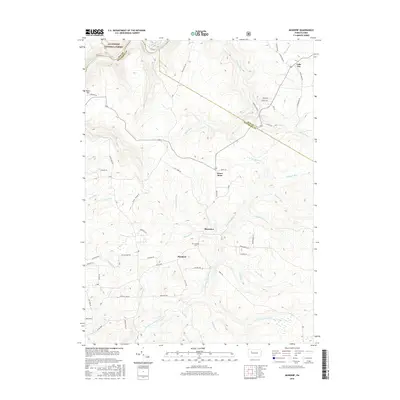 2016 Munderf2016 Print · USGSJefferson County in the 2010s remains a landscape of rural settlements and winding waterways. Family historians can trace roots through the Munderf Cem or locate old homestead sites near Blowtown, Green Briar, and the Clarion River.
 - 2016 Map of Hallton, 2016 Print
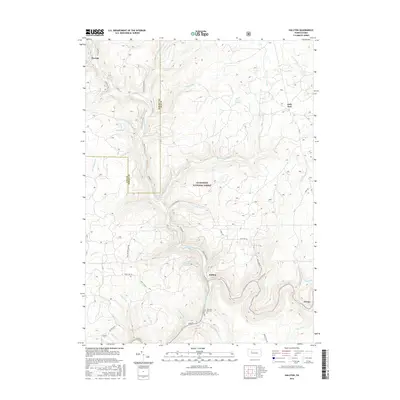 2016 Hallton2016 Print · USGSElk and Forest counties are shown here as they appeared in the early twenty-first century, dominated by the timbered ridges of the Allegheny National Forest. Researchers can locate riverside settlements like Hallton and Arroyo or trace family history at the Maxwell Run Cem.
 - 2019 Map of Munderf, 2019 Print
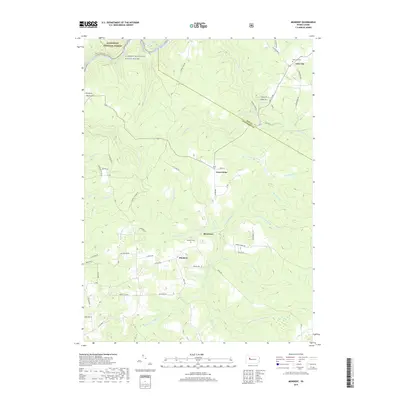 2019 Munderf2019 Print · USGSJefferson County’s rural highlands appear in great detail during the late twenty-teens, showing the area's transition from the national forest to private timberlands. Genealogists can locate family landmarks like the Munderf Cem or trace the old roads through Blowtown and Lake City.
 - 2019 Map of Hallton, 2019 Print
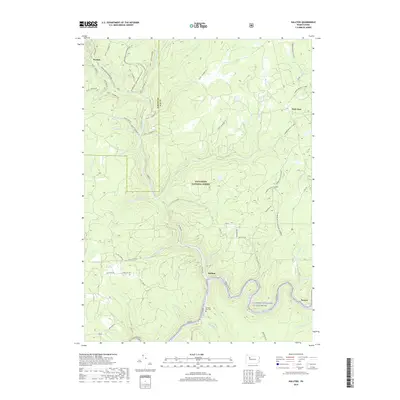 2019 Hallton2019 Print · USGSElk and Forest Counties are shown here during the late twenty-teens, dominated by the wooded reaches of the Allegheny National Forest. Researchers can locate the Maxwell Run Cem and trace the paths of the Clarion River near settlements like Hallton and Arroyo.
Showing maps 1-25 of 31
Top cities near Spring Creek Township
- Sandy Township historical maps
- Ridgway historical maps
- Brookville historical maps
- Johnsonburg historical maps
- Brockway historical maps
- Warsaw Township historical maps
See more
Top neighborhoods of Spring Creek Township
- Arroyo historical maps
- Beuhler Corner historical maps
- Hallton historical maps
- Croyland historical maps
- Portland Mills historical maps
- Lake City historical maps
See more
Frequently asked questions
- What are the different types of historical maps available for Spring Creek Township?
- What is the oldest map of Spring Creek Township?
- Where can I purchase historical maps of Spring Creek Township for my home or office?
- Where can I download high-res historical maps of Spring Creek Township?
- Are there historical topographic maps available for Spring Creek Township?
- Is there historical aerial imagery available for Spring Creek Township?
- Where are historical maps of Spring Creek Township sourced from?