Old Maps of Pike Township, Pennsylvania for Hiking & Exploration
Hike through history with 36 historic maps of Pike Township. Explore old trails, ghost towns, and forgotten backroads — perfect for outdoor adventurers and local explorers.
- Rediscover forgotten places: Map out old mining camps, roads, and footpaths that no longer exist on modern maps.
- Layer with modern tools: Combine with LiDAR or satellite views to plan hikes through historical terrain.
- Made for exploration: Popular among hikers, overlanders, and local history lovers.
Use these maps to find adventure and explore the hidden past of Pike Township.
Pike Township, PA maps
(36)- 1899 Map of Gaines, 1960 Print
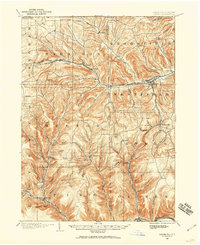 1899 Gaines1960 Print · USGSPotter and Tioga Counties are seen here at the end of the nineteenth century, as the logging and rail industries reached into every deep hollow. Genealogists and historians can trace family lands near Harrison Valley, Sabinsville, and the remote Loucks Mills.2 unique versions available
 - 1900 Map of Gaines
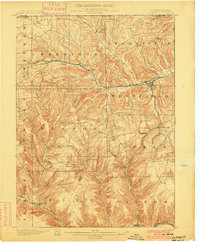 1900 Gaines1900 Print · USGSThe Cowanesque River valley at the turn of the century shows a landscape defined by new rail lines and remote timbering settlements. Genealogists can trace family holdings near Sunderlinville, Harrison Valley, and the rural crossroads of Mixtown and Lansing.5 unique versions available
 - 1947 Map of Galeton, 1953 Print
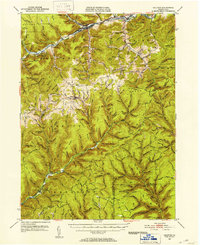 1947 Galeton1953 Print · USGSThe Pennsylvania Wilds around Galeton are captured here just after the war, showing a deeply timbered landscape of mountain ridges and narrow hollows. Genealogists can locate family cemeteries like Phoenix Cem and the legendary ruins of Ole Bull Castle.3 unique versions available
 - 1947 Map of Galeton, 1958 Print
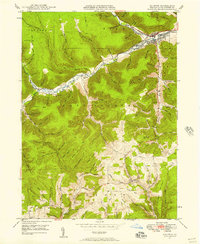 1947 Galeton1958 Print · USGSPotter County's deep hollows and ridge-top settlements are captured here in the late 1940s, showing a landscape defined by timber and rail. Trace the Baltimore and Ohio RR through Galeton or find family landmarks like Byam Cem and Germania.6 unique versions available
 - 1947 Map of Marshlands, 1962 Print
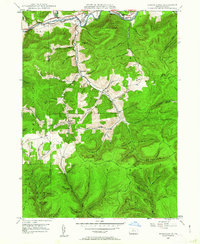 1947 Marshlands1962 Print · USGSThe Pine Creek Valley was a vital transport corridor for the Baltimore and Ohio railroad in the late 1940s. Genealogists can locate family-named landmarks and rural burial sites like Nolton Cem, Maynard Sch, and the riverside village of Watrous.5 unique versions available
 - 1949 Map of Galeton
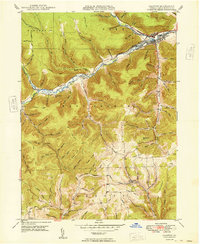 1949 Galeton1949 Print · USGSPotter County’s timber and rail history is on full display here in the late 1940s as industry followed the deep river valleys. Genealogists and historians can trace the Baltimore and Ohio line to remote stops like Germania Sta or locate families near Byam Cem and Carter Camp.
 - 1950 Map of Marshlands
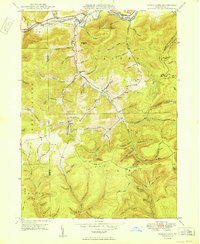 1950 Marshlands1950 Print · USGSTioga and Potter Counties are captured here at the mid-century, defined by the deep valleys of Pine Creek and its many tributaries. Genealogists can trace family landmarks like Maynard Sch and the Nolton Cem amidst the dense network of named hollows.
 - 1954 Map of Williamsport
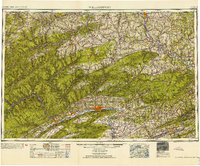 1954 Williamsport1954 Print · USGSNorth-central Pennsylvania in the mid-fifties is defined by the winding West Branch Susquehanna River and its industrial valley. Local historians can trace the massive Susquehanna Ordnance Depot and the extensive rail networks of the Pennsylvania Railroad.
 - 1960 Map of Williamsport
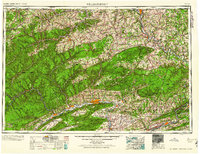 1960 Williamsport1960 Print · USGSNorth-central Pennsylvania in the mid-twentieth century was a vital corridor of rail and river industry stretching from the New York line to the coal regions. Genealogists can trace the rail networks of the Pennsylvania RR and Lehigh Valley RR connecting towns like Williamsport, Towanda, and Lock Haven.
 - 1962 Map of Williamsport, 1966 Print
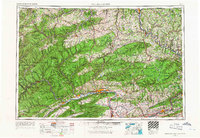 1962 Williamsport1966 Print · USGSNorth-central Pennsylvania was a landscape of industrial river hubs and vast state woodlands in the early sixties. Researchers can trace the path of the Pennsylvania Railroad through Williamsport and explore the remote reaches of Bucktail State Park.5 unique versions available
 - 1965 Map of Williamsport
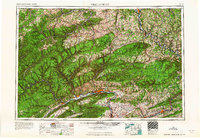 1965 Williamsport1965 Print · USGSNorth-central Pennsylvania in the mid-1960s is defined by the industrial river towns and vast timberlands of the Allegheny Plateau. Researchers can trace historic rail lines like the Erie Lackawanna and Reading as they thread through Williamsport, Lock Haven, and Jersey Shore.
 - 1966 Map of Williamsport
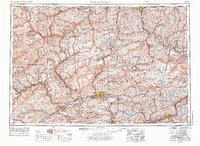 1966 Williamsport1966 Print · USGSThe Susquehanna Valley was a hub of transit and industry in the mid-seventies, where the river's West Branch connected major college towns and timberlands. Researchers can trace historical rail lines like the Reading or locate regional landmarks from Jersey Shore to Ricketts Glen State Park.
 - 1969 Map of West Pike
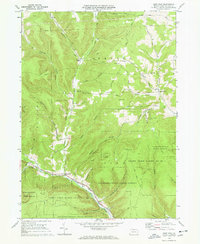 1969 West Pike1969 Print · USGSPotter County in the late sixties reveals a landscape where remote timberlands meet small valley settlements. You can trace old family landmarks and industrial footprints through sites like Loucks Mills, the Quarries, and a hillside Cem.3 unique versions available
 - 1969 Map of Sabinsville, 1972 Print
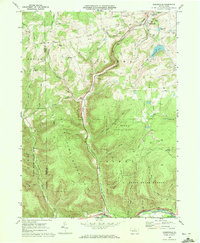 1969 Sabinsville1972 Print · USGSTioga County's timber and gas country is preserved here as it was in the late sixties, centered on the Sabinsville and Gaines settlements. Genealogists and historians can trace the Galeton and Addison rail line and locate old family burial grounds like Lovel Cem and Baker Cem.3 unique versions available
 - 1981 Map of Wellsboro, 1982 Print
 1981 Wellsboro1982 Print · USGSNorthern Pennsylvania in the early eighties shows a landscape of deep river gorges and vast state forests. Trace the rail lines of Conrail and explore old settlements from Coudersport to the Pine Creek Gorge.
 - 1994 Map of Galeton, 1995 Print
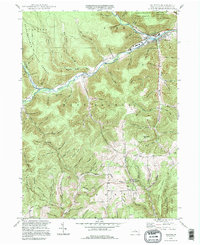 1994 Galeton1995 Print · USGSThe Potter County highlands near the end of the twentieth century remain a landscape of deep hollows and isolated hamlets. Genealogists and local historians can trace family locations at West Hill Cem, Germania, and the remote Carter Camp settlement.
 - 2010 Map of West Pike, 2010 Print
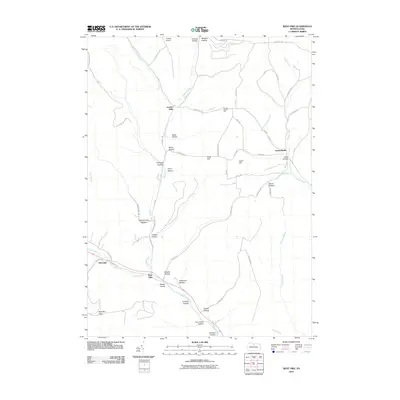 2010 West Pike2010 Print · USGSPotter County in the early twenty-first century remains defined by its deep creek valleys and remote hollows. Genealogists and historians can trace family-named sites like Loucks Mills, Sunderlinville, and Hardscrabble Hollow along the winding path of Pine Creek.
 - 2010 Map of Sabinsville, 2010 Print
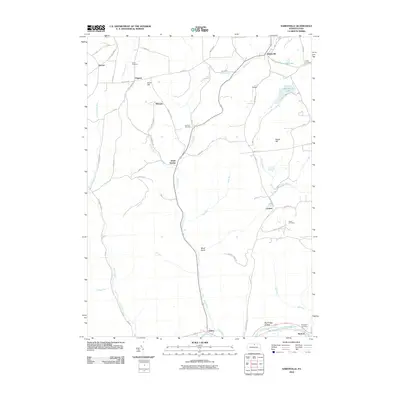 2010 Sabinsville2010 Print · USGSTioga County's rural townships are documented here during the early twenty-first century, showing a landscape of high ridges and deep hollows. Genealogists and local historians can trace the locations of Lovel Cemetery, Ackley Cemetery, and old rail-related sites like Davis Station.
 - 2010 Map of Galeton, 2010 Print
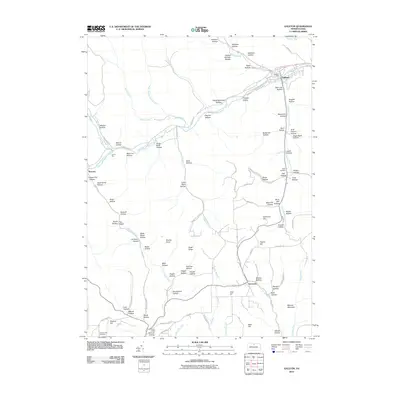 2010 Galeton2010 Print · USGSThe northern Potter County highlands around Galeton are shown here as they appeared in 2010. Researchers can trace family history at Byam Cemetery, locate the village of Germania, and explore industrial vestiges in Acid Factory Hollow and Slaughterhouse Hollow.
 - 2010 Map of Marshlands, 2010 Print
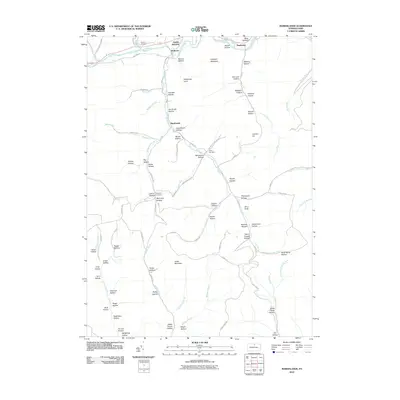 2010 Marshlands2010 Print · USGSTioga County's southern highlands are documented here at the start of the 21st century, showing the rural communities along Pine Creek. Genealogists can locate family landmarks like Phoenix Cemetery or trace descendants through namesake spots like John Smith Hollow and Marshlands.
 - 2013 Map of West Pike, 2013 Print
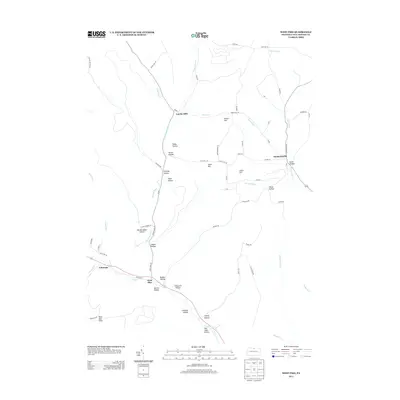 2013 West Pike2013 Print · USGSPotter County in the early twenty-first century reveals a landscape shaped by narrow valleys and numerous named hollows. Genealogists and local historians can trace family-named landmarks like Loucks Mills, Sunderlinville, and Hardscrabble Hollow along the winding Pine Cr.
 - 2013 Map of Marshlands, 2013 Print
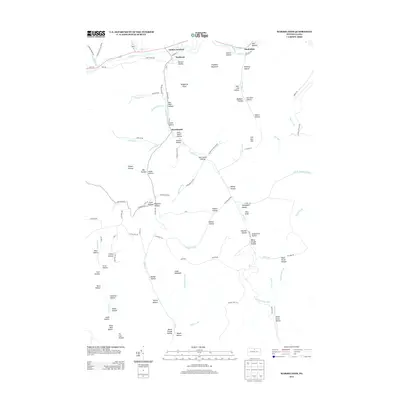 2013 Marshlands2013 Print · USGSTioga County's southern ridges and creek valleys are captured here in the early 21st century. Genealogists and local historians can trace family-named landmarks like John Smith Hollow and old mountain routes such as McCracken Hollow Rd near Marshlands.
 - 2013 Map of Galeton, 2013 Print
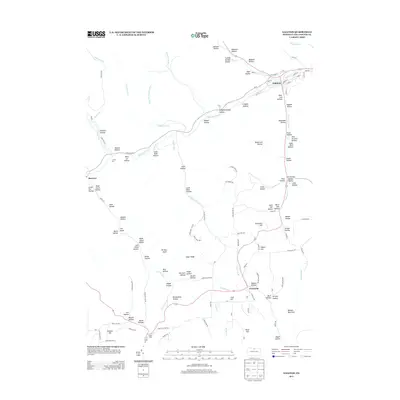 2013 Galeton2013 Print · USGSThe northern Potter County highlands are captured here in the early twenty-first century, centered on the river town of Galeton. Researchers can trace old family roads and industrial sites like Acid Factory Hollow, Germania, and the remote junction at Carter Camp.
 - 2013 Map of Sabinsville, 2013 Print
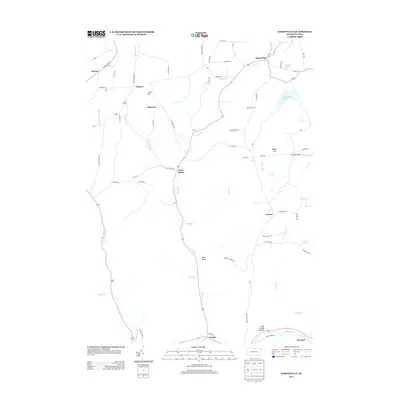 2013 Sabinsville2013 Print · USGSTioga County's rural northern landscape is captured here in the early twenty-first century, centered on the valley corridors of Clymer Township. Local historians can trace old homestead sites near Mixtown or locate rural landmarks like Davis Station and Sharretts Airport.
 - 2016 Map of Sabinsville, 2016 Print
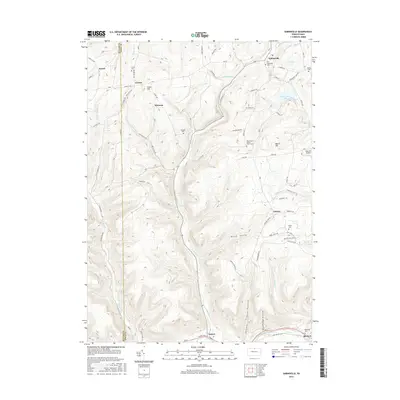 2016 Sabinsville2016 Print · USGSTioga County highlands come into focus in the mid-2010s, showing the settled ridges and deep hollows around Sabinsville. Genealogists and historians can locate numerous family burial grounds like Lovel Cem and Ackley Cem while tracing old routes through Mixtown.
Showing maps 1-25 of 36
Top cities near Pike Township
- Galeton historical maps
- Westfield historical maps
- Harrison Township historical maps
- Genesee Township historical maps
- Sweden Township historical maps
- Osceola Township historical maps
See more
Top neighborhoods of Pike Township
Frequently asked questions
- What are the different types of historical maps available for Pike Township?
- What is the oldest map of Pike Township?
- Where can I purchase historical maps of Pike Township for my home or office?
- Where can I download high-res historical maps of Pike Township?
- Are there historical topographic maps available for Pike Township?
- Is there historical aerial imagery available for Pike Township?
- Where are historical maps of Pike Township sourced from?