Old Maps of Cranberry Township, Pennsylvania for Hiking & Exploration
Hike through history with 46 historic maps of Cranberry Township. Explore old trails, ghost towns, and forgotten backroads — perfect for outdoor adventurers and local explorers.
- Rediscover forgotten places: Map out old mining camps, roads, and footpaths that no longer exist on modern maps.
- Layer with modern tools: Combine with LiDAR or satellite views to plan hikes through historical terrain.
- Made for exploration: Popular among hikers, overlanders, and local history lovers.
Use these maps to find adventure and explore the hidden past of Cranberry Township.
Cranberry Township, PA maps
(46)- 1909 Map of Franklin, 1956 Print
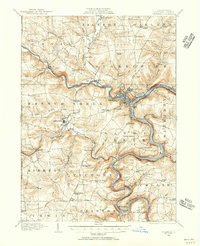 1909 Franklin1956 Print · USGSVenango County at the dawn of the twentieth century is a landscape defined by the deep meanders of the Allegheny River and a dense network of competing railroads. Genealogists can trace rural life through numerous landmarks like Five Points School, Hickory Grove Church, and the State Institute for Feeble Minded at Polk.2 unique versions available
 - 1911 Map of Franklin
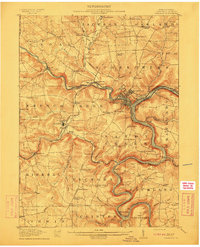 1911 Franklin1911 Print · USGSVenango County at the peak of the rail era shows the busy confluence of the Allegheny River and French Creek. Trace the legacy of early industrial settlements like Coal City, family landmarks at McKenzie Cors, and the grounds of the State Institute for Feeble Minded.4 unique versions available
 - 1922 Map of Oil City
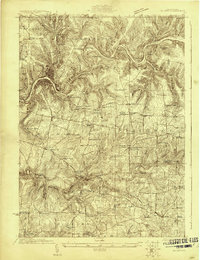 1922 Oil City1922 Print · USGSVenango County's river-driven economy and rural community structure are captured here in the early twenties, showing the intersection of heavy rail and upland farming. Researchers can trace family origins through numerous rural school sites like Rose School and old post offices at Cranberry PO or Davis Corners.2 unique versions available
 - 1924 Map of Oil City
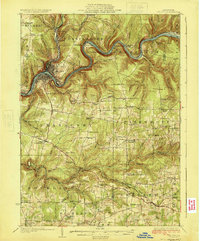 1924 Oil City1924 Print · USGSVenango County's industrial river valleys and rural plateaus are captured here in the early twenties as the oil economy shaped the land. Genealogists can trace family roots through numerous country schools and post offices like Cranberry PO, Monarch Park, and St Marks Church.4 unique versions available
 - 1943 Map of Oil City, 1944 Print
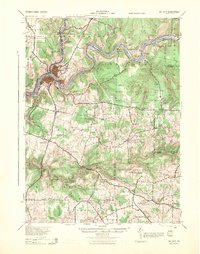 1943 Oil City1944 Print · USGSVenango County oil country is shown in detail during the early 1940s, centered on the industrial hub of Oil City. Genealogists can trace family names through dozens of rural schools like McCalmont Sch and churches such as St Marks Ch or Hoag Hill Ch.
 - 1957 Map of Warren, 1964 Print
 1957 Warren1964 Print · USGSThe northern Pennsylvania oil and timber country comes into focus in the mid-fifties, showing the region before modern highway expansions. Trace the industrial rail networks of the Pennsylvania RR and the early Allegheny River Reservoir near Warren and Oil City.4 unique versions available
 - 1958 Map of Warren
 1958 Warren1958 Print · USGSNorthern Pennsylvania’s timber and oil country is captured here during the late fifties, showing the interplay of industrial valleys and vast state forests. Genealogists can trace family connections across the Cornplanter Indian Reservation or through rail hubs like Oil City and Saint Marys.
 - 1959 Map of Warren
 1959 Warren1959 Print · USGSNorthern Pennsylvania's oil and timber country comes alive in this late-fifties study of the forest-clad plateaus. Trace the historic Cornplanter (Indian Reservation), the sprawling Oil Field, and the rail lines of the Pennsylvania RR.2 unique versions available
 - 1963 Map of President
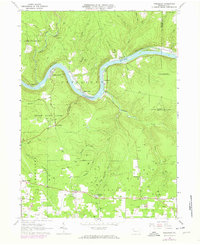 1963 President1963 Print · USGSVenango County's oil heritage and river geography are on full display in the 1960s, showing the intersection of heavy industry and rural life. Researchers can trace family names and old landmarks from the Cornplanter Oil Field to Hampton Station and the McCrea Cem.5 unique versions available
 - 1963 Map of Oil City, 1964 Print
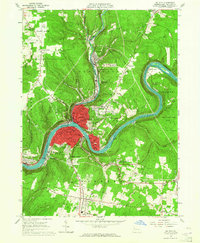 1963 Oil City1964 Print · USGSVenango County's industrial river valley comes to life in the early 1960s, centered on the complex rail yards and urban infrastructure of Oil City. Genealogists and historians can trace family locations near Rouseville, Rynd Farm Cem, and several neighborhood schools like Hasson Heights Sch.3 unique versions available
 - 1963 Map of Franklin, 1964 Print
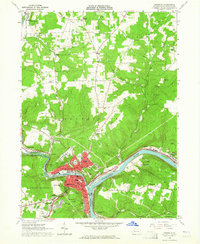 1963 Franklin1964 Print · USGSThe industrial hub of Franklin and its river-and-rail network are captured here in the early sixties. Researchers can trace the extensive oil fields of Cranberry and locate historic landmarks like the White Fathers Novitiate and Chess-Lamberton Airport.2 unique versions available
 - 1963 Map of Kossuth, 1965 Print
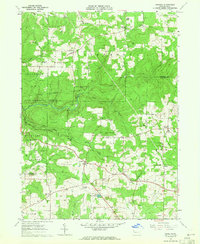 1963 Kossuth1965 Print · USGSThe Venango and Clarion county line comes alive in the early sixties as a region of oil wells, timbered game lands, and traditional rural settlements. Genealogists can trace family names through sites like Fertigs Gospel Tabernacle, Old Dutch Cem, and the village of Nineveh.3 unique versions available
 - 1963 Map of Cranberry, 1965 Print
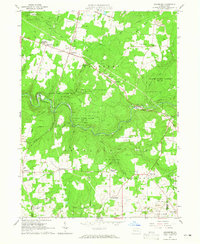 1963 Cranberry1965 Print · USGSVenango County in the early 1960s reveals a landscape shaped by oil fields, strip mines, and the winding New York Central rail line. Genealogists and local historians can locate family markers at Sunset Hill Memorial Park and trace rural life at Barrs Corners.3 unique versions available
 - 1963 Map of Kennerdell, 1965 Print
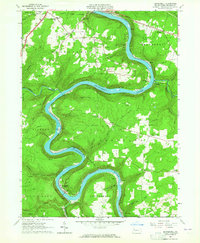 1963 Kennerdell1965 Print · USGSVenango County's river valleys and oil fields are captured here in the early 1960s as the Allegheny River loops past industrial rail lines. Genealogists and historians can trace the Kennerdell Tunnel, numerous family plots like Graham Cem, and rural hubs such as Coal City and Smiths Corners.4 unique versions available
 - 1971 Map of Warren
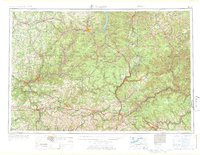 1971 Warren1971 Print · USGSNorth Central Pennsylvania is captured here in the early seventies, showing a landscape defined by industrial centers and massive state forests. Genealogists and historians can trace the rail lines of the Penn Central and Erie Lackawanna connecting towns like Warren, Kane, and Du Bois.
 - 1983 Map of Oil City, 1984 Print
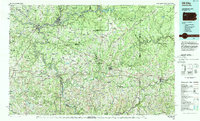 1983 Oil City1984 Print · USGSThe Allegheny and Clarion river valleys are shown in the early eighties as a hub of rail lines and conservation lands. Genealogists can trace family connections in Oil City and Franklin or locate rural sites like the Pennsylvania State Hospital and School and Coal City.
 - 2010 Map of President, 2010 Print
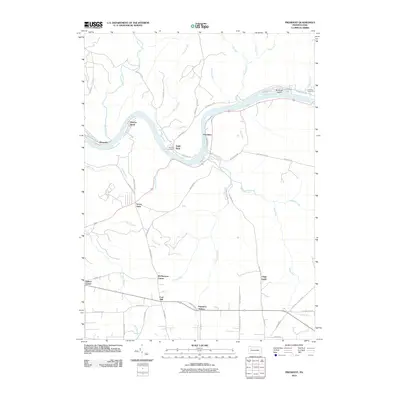 2010 President2010 Print · USGSThe Allegheny River valley comes into sharp focus during the early twenty-first century, showing the enduring riverside settlements and rugged interior of Venango County. Genealogists and historians can locate family-named sites like Holeman Cemetery, Henrys Bend, and the Clapp Lease.
 - 2010 Map of Cranberry, 2010 Print
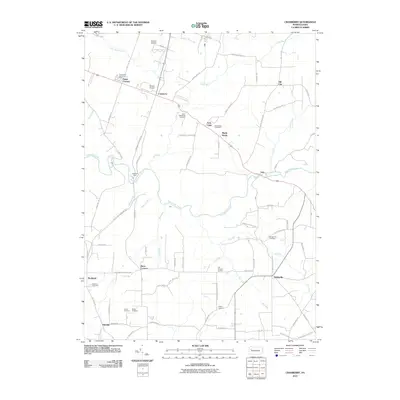 2010 Cranberry2010 Print · USGSCranberry and the surrounding Venango County countryside are shown here in the early twenty-first century, revealing a landscape of scattered rural hamlets and deep-cut creek valleys. Genealogists can locate family plots at Rockland Cemetery or Georgeville Cemetery and trace historical intersections like Barrs Corners.
 - 2010 Map of Kossuth, 2010 Print
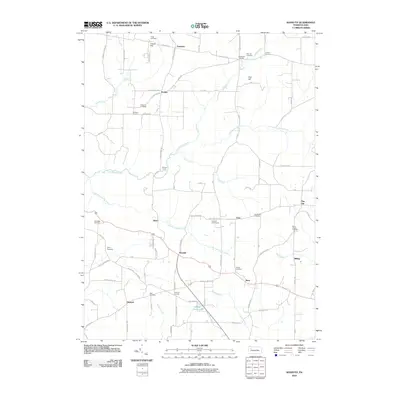 2010 Kossuth2010 Print · USGSVenango County at the start of the 2010s remains a landscape of historic crossroads and rural settlements. Genealogists and local historians can trace family roots through numerous burial sites like Old Dutch Cemetery, Hickman Cemetery, and Starr Cemetery.
 - 2010 Map of Kennerdell, 2010 Print
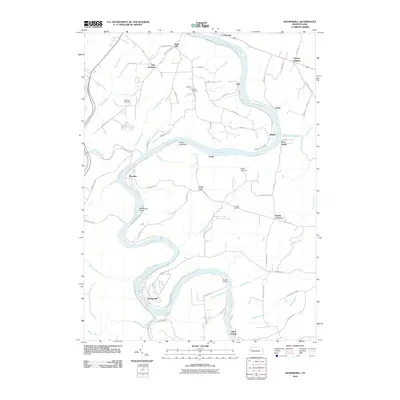 2010 Kennerdell2010 Print · USGSThe Allegheny River corridor in Venango County appears here during its contemporary transition from industrial use to recreation. Researchers can locate numerous family burial sites like Melat Cemetery and landmarks such as Indian God Rock and Whitherup Island.
 - 2010 Map of Oil City, 2010 Print
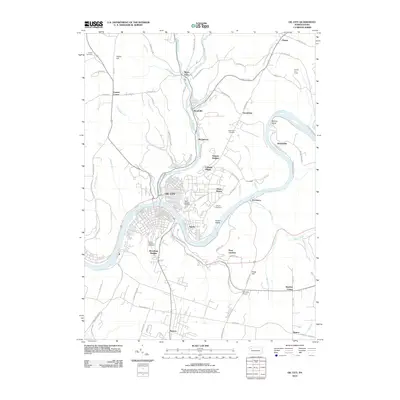 2010 Oil City2010 Print · USGSThe riverfront neighborhoods and upland developments of Venango County are captured here in the early twenty-first century. Genealogists and local historians can trace family plots at Saint Josephs or explore the hills around Rouseville and Siverly.
 - 2010 Map of Franklin, 2010 Print
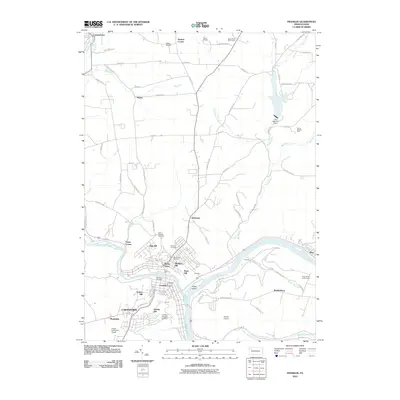 2010 Franklin2010 Print · USGSThe riverfront communities of Venango County are shown here in the early twenty-first century as they cluster along the Allegheny River. Researchers can trace local heritage through several burial grounds like Pioneer Cemetery and settlements including Rocky Grove and Galloway.
 - 2013 Map of Cranberry, 2013 Print
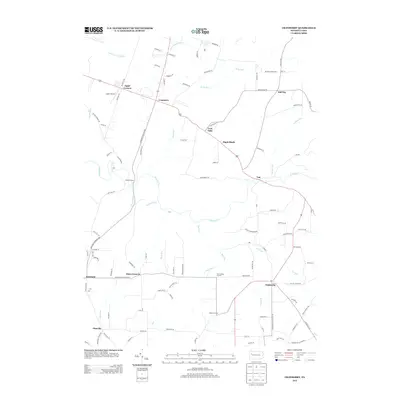 2013 Cranberry2013 Print · USGSVenango County's rural crossroads and winding creek valleys are documented here during the early twenty-first century. Genealogists and local historians can trace family-named landmarks and small settlements like Egypt Corners, Barrs Corners, and the rail-side history of the Emlenton Spur.
 - 2013 Map of President, 2013 Print
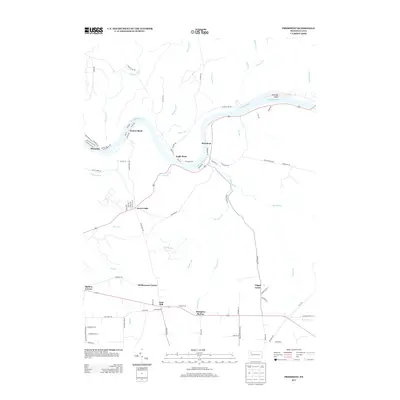 2013 President2013 Print · USGSThe winding curves of the Allegheny River define this Venango County landscape in the early twenty-first century. Researchers can trace the legacy of small riverside settlements like Oleopolis and Henrys Bend, or locate inland landmarks such as Hampton Station and Coal Hill.
 - 2013 Map of Kennerdell, 2013 Print
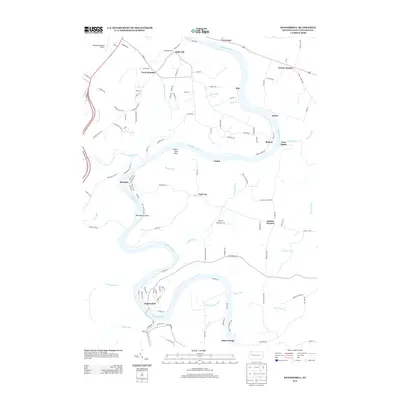 2013 Kennerdell2013 Print · USGSThe banks of the Allegheny River in Venango County are captured here during a period of modern rural transition. Researchers can trace historic river-bound sites like Indian God Rock, the settlement at Kennerdell, and the small community of Coal City.
Showing maps 1-25 of 46
Top cities near Cranberry Township
- Oil City historical maps
- Franklin historical maps
- Sugarcreek historical maps
- Monroe historical maps
- Cherrytree Township historical maps
- Rockland Township historical maps
See more
Top neighborhoods of Cranberry Township
- Twin Oaks historical maps
- Van historical maps
- Egypt Corners historical maps
- Woodland Heights historical maps
- Rockmere historical maps
- Rose Gardens historical maps
See more
Frequently asked questions
- What are the different types of historical maps available for Cranberry Township?
- What is the oldest map of Cranberry Township?
- Where can I purchase historical maps of Cranberry Township for my home or office?
- Where can I download high-res historical maps of Cranberry Township?
- Are there historical topographic maps available for Cranberry Township?
- Is there historical aerial imagery available for Cranberry Township?
- Where are historical maps of Cranberry Township sourced from?