1940s Maps of Cumberland County, Tennessee
Explore 26 historic maps of Cumberland County from the 1940s. These maps offer a rare glimpse into what life looked like during the 1940s — showing old roads, neighborhoods, homes, and landmarks that have changed or disappeared over time.
Whether you're researching your family's past, planning a metal detecting trip, or studying how Cumberland County's landscape evolved across the 1940s, these high-resolution maps are a powerful tool for exploring the history of this region.
- Focus on a specific era: All maps on this page are from the 1940s, giving you a focused view of this time period.
- See what’s changed: Compare century-old streets, trails, and buildings to today's modern landscape using overlays and satellite layers.
- Research with precision: Use these maps for genealogy, historical research, land use analysis, or educational projects.
- View, download, or print: Maps are fully viewable online in high resolution, and can be downloaded or printed for your own records.
Start exploring Cumberland County's history through authentic maps from the 1940s. This is your window into the past.
Cumberland County, TN maps
(26)- 1940 Map of Rockwood
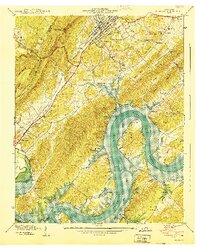 1940 Rockwood1940 Print · USGSThe Tennessee River valley at Rockwood is shown here during the transition to the reservoir era in the early 1940s. Genealogists can locate family sites like Odd Fellows Cem, trace the railroad to Glen Alice, or find old schools like New Hope Sch.
 - 1943 Map of Cookeville
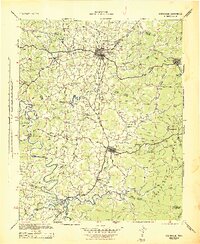 1943 Cookeville1943 Print · USGSMiddle Tennessee during the early 1940s reveals a landscape defined by the Tennessee Central Railroad and the ascent to the Cumberland Plateau. Trace local heritage through rural settlements like Silver Point and Bloomington Springs or the river crossing at Hodge Ferry.
 - 1943 Map of Hebbertsburg, 1957 Print
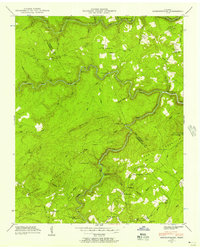 1943 Hebbertsburg1957 Print · USGSThe Cumberland Plateau landscape near the Morgan and Cumberland county line comes to life in the 1940s. Genealogists and local historians can trace the foundations of mountain life through Frankfort, the New Home Church, and old river crossings like Potter Ford.5 unique versions available
 - 1943 Map of Twin Bridges, 1965 Print
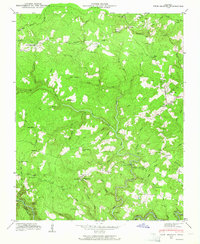 1943 Twin Bridges1965 Print · USGSMorgan County is captured here in the early 1940s, showing a rural landscape of ridges and river crossings before modern infrastructure. Researchers can trace family history through sites like Deer Lodge Academy, Adkins Mill, and the Shadeland Cem.4 unique versions available
 - 1944 Map of Cookeville
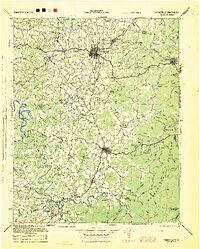 1944 Cookeville1944 Print · USGSUpper Tennessee during the war years shows a landscape shaped by deep river gorges and the rising Cumberland Plateau. Researchers can trace old mountain settlements like Bon Air or locate river landmarks such as Hodge Ferry and Burgess Falls Dam.
 - 1945 Map of Hebbertsburg
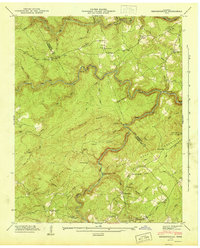 1945 Hebbertsburg1945 Print · USGSCumberland and Morgan counties appear here in the mid-1940s, where river fords and mountain ridges dictated the pace of rural life. Genealogists and local historians can locate old landmarks like Potter Chapel Sch, Hebbertsburg, and the Pilot Knob Lookout Tower.
 - 1945 Map of Twin Bridges, 1946 Print
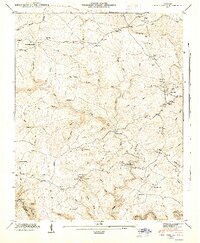 1945 Twin Bridges1946 Print · USGSThe Cumberland Plateau of Morgan County is captured here in the mid-1940s, showing a landscape of high divides and deep creek hollows. Local historians can trace early community life through Deer Lodge Academy, Adkins Mill, and Island Ford Sch.
 - 1946 Map of Cardiff
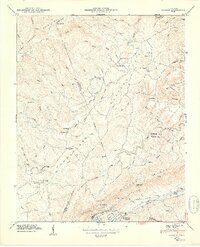 1946 Cardiff1946 Print · USGSThe industrial corridor near Rockwood and Cardiff sits at the foot of Walden Ridge during the mid-1940s. Genealogists can trace family footprints across several rural schools and burial grounds, including Dry Hill Sch, Skidmore Cem, and Ault Cem.
 - 1946 Map of Lancing, 1948 Print
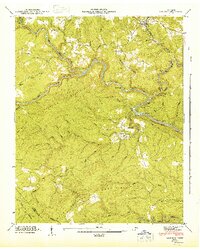 1946 Lancing1948 Print · USGSThe Cumberland Plateau in the 1940s is defined by its deep river gorges and isolated upland settlements. Trace the early industrial and social footprint of Morgan County through sites like Howard Mill, the village of Catoosa, and the Southern railway line.
 - 1946 Map of Roddy, 1960 Print
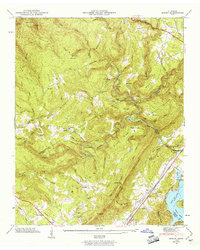 1946 Roddy1960 Print · USGSThe Cumberland Plateau meets the Tennessee Valley just after the war, where rail lines and ridgeline gaps defined local travel. Researchers can trace family sites like Williams Cem or follow the old tracks of the Tennessee Central Railroad near Roddy.2 unique versions available
 - 1946 Map of Fox Creek, 1968 Print
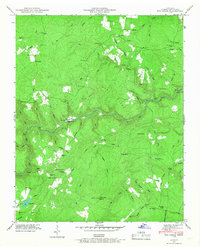 1946 Fox Creek1968 Print · USGSCumberland County rural life is captured here in the mid-1940s, centered on the deep gorge of the Obed River. Researchers can trace family sites like Henry Cem, early schools including Slate Springs Sch, and the remote Elmore Gem mine.3 unique versions available
 - 1946 Map of Grassy Cove, 1968 Print
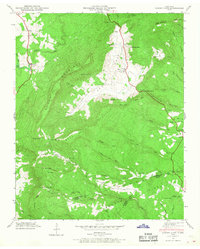 1946 Grassy Cove1968 Print · USGSThe high Cumberland Plateau in the late 1940s reveals a landscape of massive karst depressions and isolated mountain settlements. Genealogists and hikers can trace old family sites like Reed Cem, landmarks such as Milksick Cave, and the rural community of Alloway.
 - 1946 Map of Dorton, 1971 Print
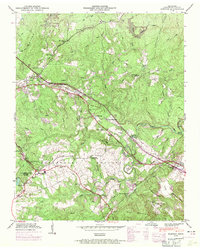 1946 Dorton1971 Print · USGSCumberland County during the post-war era showcases the fascinating New Deal planning of the Cumberland Homesteads. Genealogists and historians can trace family locations near the Homestead Cem, Baker Chapel, and the tracks of the Tennessee Central railroad.2 unique versions available
 - 1946 Map of Campbell Junction, 1974 Print
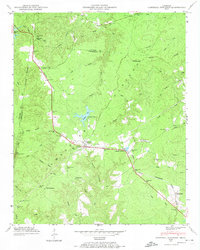 1946 Campbell Junction1974 Print · USGSThe high Cumberland Plateau comes into focus in the mid-1940s as the Tennessee Central railroad links small upland communities. Genealogists and local researchers can trace family sites at Welch Cem, Rains Cem, and Pugh Cem or locate the early grounds of Camp Nakanawa.3 unique versions available
 - 1946 Map of Ozone, 1975 Print
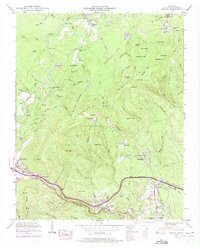 1946 Ozone1975 Print · USGSCumberland County settlement and transport patterns are captured here as the new interstate began to reshape the plateau during the mid-sixties. Genealogists and local historians can trace legacy sites from Ozone to Crab Orchard, including Glade Cem, Old Walton Road, and the Tennessee Central railroad line.2 unique versions available
 - 1946 Map of Isoline, 1976 Print
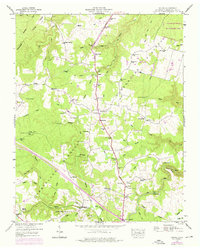 1946 Isoline1976 Print · USGSCumberland County communities are seen here in the mid-forties, connected by the Tennessee Central railroad and family-named roads. Locate historic sites like Isoline, the Elmore Cem, and Woody Sch along the Alvin C York Highway.
 - 1946 Map of Clarkrange, 1976 Print
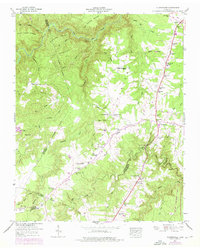 1946 Clarkrange1976 Print · USGSThe rural heart of the Tennessee Cumberland Plateau comes into focus in the mid-1940s, centered on the crossroads of Clarkrange. Genealogists and local historians can trace family locations near Union Grove Sch, Muddy Pond, and the Alvin C York Highway.
 - 1946 Map of Obey City, 1976 Print
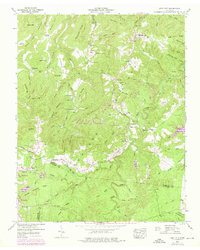 1946 Obey City1976 Print · USGSThe Cumberland Plateau of the late 1940s is captured here at a time when coal mining was transforming the rural landscape around Obey City. Researchers can trace old family lineages through Looper Cem and Thompson Cem or follow the Tennessee Central Railroad.2 unique versions available
 - 1947 Map of Roddy, 1948 Print
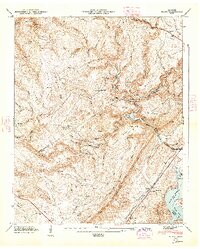 1947 Roddy1948 Print · USGSThe Cumberland Escarpment and Watts Bar Reservoir define this 1940s landscape on the borders of Rhea and Roane counties. Genealogists can trace family names at Williams Cem, locate the Big Sandy Sch, and find the old Gibson Inn.
 - 1949 Map of Isoline
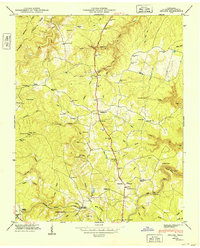 1949 Isoline1949 Print · USGSCumberland County saw steady rural development in the late 1940s as the Alvin York Highway connected remote plateau communities. Genealogists and researchers can trace family lines through numerous landmarks like Bethlehem Ch, Elmore Cem, and the rail stops of the Tennessee Central.
 - 1949 Map of Jones Knob
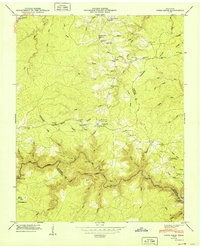 1949 Jones Knob1949 Print · USGSThe Tennessee mountain plateau in the late 1940s is captured here, showing the rural communities of Fentress and Morgan counties. Researchers can locate remote schools and river crossings, from Roslin Sch and Springs Chapel to the historic Jones Ford.3 unique versions available
 - 1949 Map of Ozone
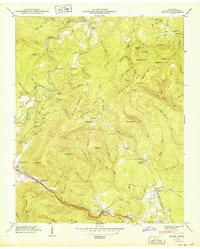 1949 Ozone1949 Print · USGSCumberland County’s mountain gaps and plateau settlements are captured here in the late 1940s, just as modern highways began to parallel historic pioneer trails. Researchers can trace the path of the Old Walton Road and locate family burial sites like Gill Cem and Millstone Cem.2 unique versions available
 - 1949 Map of Fox Creek
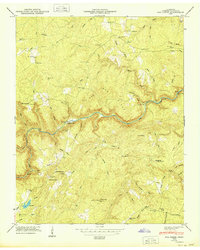 1949 Fox Creek1949 Print · USGSCumberland County’s high plateau country is shown here in the late Forties as a landscape of isolated homesteads and deep river gorges. Genealogists can locate family landmarks like Henry Cem and Elmore Cem or trace old routes to Genesis and the Potter Ford.
 - 1949 Map of Grassy Cove
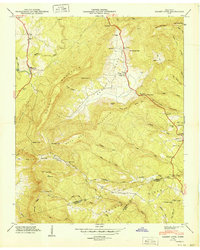 1949 Grassy Cove1949 Print · USGSUpper East Tennessee's mountain landscape is shown here in the late 1940s, centered on the unique geologic sink of Grassy Cove. Family historians can trace rural roots at Alloway Ch, Reed Cem, and the high-elevation community of Jewett.
 - 1949 Map of Dorton
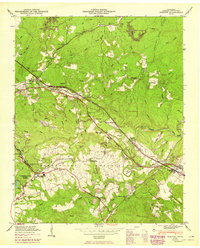 1949 Dorton1949 Print · USGSCumberland County’s plateau landscape is captured here in the mid-century during the development of the Tennessee Central Railroad. Researchers can locate family sites at Turner Cem and Homestead Cem, or trace early community hubs like Dorton Sch and Baker Chapel.2 unique versions available
Showing maps 1-25 of 26
Top cities of Cumberland County
- Crossville historical maps
- Fairfield Glade historical maps
- Crab Orchard historical maps
- Pleasant Hill historical maps
Frequently asked questions
- What are the different types of historical maps available for Cumberland County?
- What is the oldest map of Cumberland County?
- Where can I purchase historical maps of Cumberland County for my home or office?
- Where can I download high-res historical maps of Cumberland County?
- Are there historical topographic maps available for Cumberland County?
- Is there historical aerial imagery available for Cumberland County?
- Where are historical maps of Cumberland County sourced from?