1900s (20th Century) Maps of Marion County, Tennessee
Explore 69 historic maps of Marion County from the 1900s (20th Century). These maps offer a rare glimpse into what life looked like during the 1900s — showing old roads, neighborhoods, homes, and landmarks that have changed or disappeared over time.
Whether you're researching your family's past, planning a metal detecting trip, or studying how Marion County's landscape evolved across the 1900s, these high-resolution maps are a powerful tool for exploring the history of this region.
- Focus on a specific era: All maps on this page are from the 1900s, giving you a focused view of this time period.
- See what’s changed: Compare century-old streets, trails, and buildings to today's modern landscape using overlays and satellite layers.
- Research with precision: Use these maps for genealogy, historical research, land use analysis, or educational projects.
- View, download, or print: Maps are fully viewable online in high resolution, and can be downloaded or printed for your own records.
Start exploring Marion County's history through authentic maps from the 1900s. This is your window into the past.
Marion County, TN maps
(69)- 1936 Map of Palmer
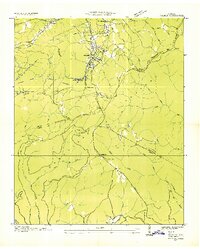 1936 Palmer1936 Print · USGSMid-1930s Grundy County comes alive through this look at the plateau's rail-and-coal industry. Trace the complex narrow gage routes serving the Clifty Mines or locate family roots near Tatesville and Griffith Sch.
 - 1936 Map of Shellmound
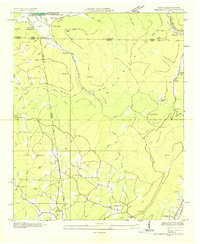 1936 Shellmound1936 Print · USGSThe tristate borderlands of Georgia, Alabama, and Tennessee are captured here in the mid-1930s before the flooding of the Guntersville Reservoir. Genealogists can locate family landmarks like Stephens Cem, Burnett Chapel, and several local schools like Poplar Spring Sch.
 - 1936 Map of Daus
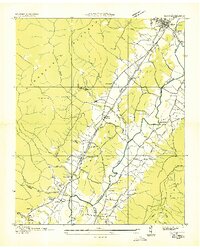 1936 Daus1936 Print · USGSThe Sequatchie Valley was a bustling corridor of rail and river industry in the mid-1930s, caught between the Cumberland Plateau and Walden Ridge. Genealogists and historians can locate old schools and cemeteries like John Henry Chapel Sch, Stone Cem, and the community of Cartwright.
 - 1936 Map of Orme
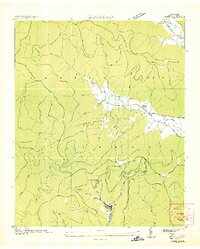 1936 Orme1936 Print · USGSThe Cumberland Plateau mining economy and valley settlements are preserved in this mid-1930s survey of Marion County. Genealogists and industrial historians can trace the rail lines at Orme, the Battle Creek Mines, and community sites like Sweden Cove Sch.
 - 1936 Map of Bridgeport
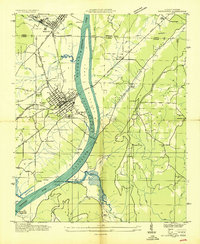 1936 Bridgeport1936 Print · USGSBridgeport and the Tennessee River valley are seen here in the mid-1930s, just as the proposed Guntersville Reservoir was set to reshape the riverbank. Genealogists and historians can trace family locations near Richard City, locate the Island Creek Ferry, and find early sites like Mc Daniel Chapel and Concord Sch.
 - 1936 Map of Whitwell
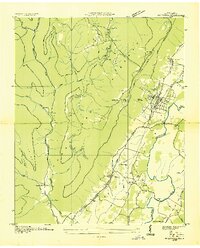 1936 Whitwell1936 Print · USGSThe Sequatchie Valley and Cumberland Plateau are documented in the mid-1930s, showing a landscape shaped by coal and rail. Genealogists can locate family landmarks like Walker Cem, Red Hill Sch, and the historic Ketner Mill.
 - 1936 Map of Tracy City
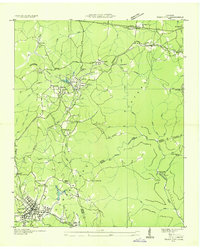 1936 Tracy City1936 Print · USGSThe industrial and social fabric of the Cumberland Plateau is detailed here in the mid-1930s. Genealogists and local historians can trace the rail networks of the St Louis and Chattanooga Railroad and locate community landmarks like Burkett Chapel and the Nyack Sch.
 - 1936 Map of Ketner Gap
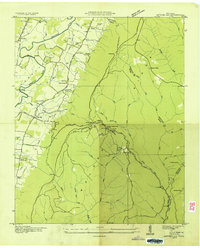 1936 Ketner Gap1936 Print · USGSMarion and Sequatchie counties appear in the mid-1930s as a landscape of isolated coal mines and ridge-top gaps. Genealogists and historians can trace family locations through Grayson Cem, Sulphur Springs Sch, and the industrial sites at Barnes Mine.
 - 1936 Map of Monteagle
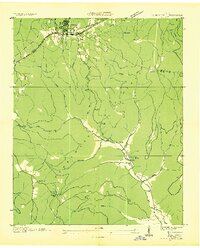 1936 Monteagle1936 Print · USGSMonteagle and the surrounding Cumberland Plateau are captured here in the mid-1930s, showing the complex interaction between mountain travel and valley settlement. Researchers can trace historic schools and churches like Jumpoff Sch, St Johns Ch, and the high-altitude Monteagle Falls.
 - 1936 Map of Hooker
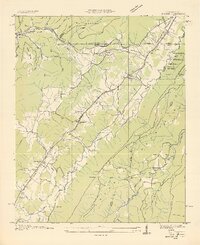 1936 Hooker1936 Print · USGSNorthwest Georgia and neighboring Tennessee appear here in the mid-thirties, showing a landscape defined by mountain gaps and river valleys. Researchers can trace the path of Southern Railway through Morganville or locate family sites like Bethlehem Cem and Slygo Ch.
 - 1936 Map of White City
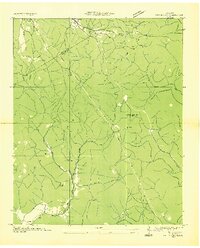 1936 White City1936 Print · USGSMarion and Grundy Counties were still defined by remote plateau life and timber or mining interests in the mid-1930s. Genealogists can locate family homesites near White City, Lankford Town, or rural schools like Prior Sch and Foster Falls Sch.
 - 1936 Map of Wauhatchie
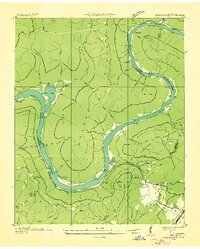 1936 Wauhatchie1936 Print · USGSThe Tennessee River gorge comes alive in this mid-1930s survey of the Marion and Hamilton county line during the early TVA era. Genealogists can trace family landmarks like French Cem and Mc Nabb Cem, or locate industry at Aetna and several Mines (Abandoned).
 - 1936 Map of Sequatchie
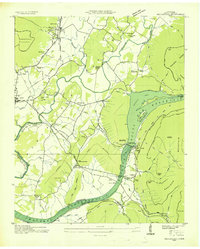 1936 Sequatchie1936 Print · USGSMarion County is captured during its mid-1930s transformation as the TVA restructured the Tennessee River for hydroelectric power. Researchers can locate vanished landmarks like Rankin Ferry and the Marion County Home, or trace family roots at Old Union Cem and Wesley Chapel.
 - 1936 Map of Chattanooga
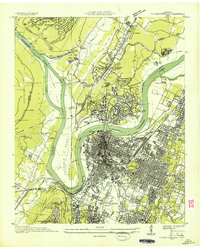 1936 Chattanooga1936 Print · USGSChattanooga and the Tennessee River are shown here in the mid-thirties as the river valley underwent massive transformation. Trace the historic street grid and landmarks like the Incline Railway, National Cem, and Moccasin Bend.
 - 1936 Map of Doran Cove
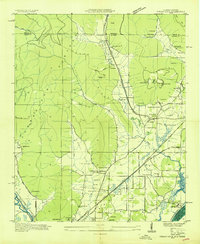 1936 Doran Cove1936 Print · USGSJackson County and the Tennessee River are captured here in the mid-1930s as the Tennessee Valley Authority planned the region's modernization. Researchers can locate family landmarks like the Rosenwald Sch, Widows Bar Lock and Dam, and Bonaventure Cem.
 - 1936 Map of South Pittsburg
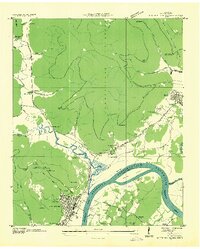 1936 South Pittsburg1936 Print · USGSMarion County is seen here during a pivotal era of transformation as the Tennessee Valley Authority prepared for new reservoirs. Genealogists and historians can trace family-named sites like Gilliam Cem or Raulstontown, alongside the river-based commerce of the South Pittsburg Ferry.
 - 1940 Map of Chattanooga
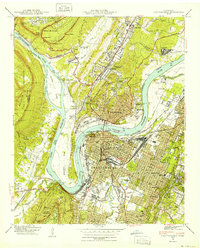 1940 Chattanooga1940 Print · USGSChattanooga and the Tennessee River valley are captured here at the dawn of the 1940s, showcasing a bustling rail and river hub. Researchers can trace the legacy of Union Station, find family plots in National Cem, or locate the historic Cravens House on the slopes of Lookout Mountain.2 unique versions available
 - 1941 Map of Chattanooga
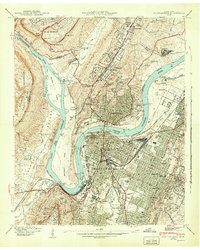 1941 Chattanooga1941 Print · USGSChattanooga was a powerhouse of rail and river industry just before the Second World War. Genealogists and historians can trace the early city grid from Union Station to MISSIONARY RIDGE, locating landmarks like Ruby Falls and National Cem.5 unique versions available
 - 1942 Map of Sequatchie
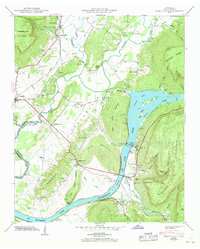 1942 Sequatchie1942 Print · USGSMarion County during the early 1940s reveals a landscape defined by the Tennessee River and the rising Sequatchie Valley. Genealogists can locate family landmarks like Old Union Cem and Wesley Chapel or trace the old Rankin Ferry near Hales Bar Lake.2 unique versions available
 - 1942 Map of Wauhatchie, 1952 Print
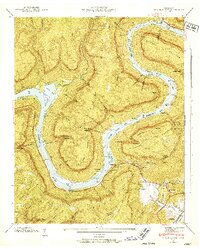 1942 Wauhatchie1952 Print · USGSMarion and Hamilton counties are mapped here during the early years of the Hales Bar Reservoir era. Genealogists can locate family landmarks like Stanley Sett, Pot Cem, and schools such as McNabb Sch nestled among the hollows.2 unique versions available
 - 1942 Map of South Pittsburg, 1955 Print
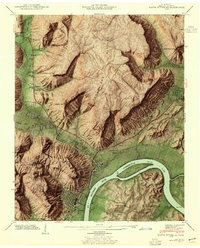 1942 South Pittsburg1955 Print · USGSMarion County's river and mountain landscape comes alive in the 1940s as the Tennessee Valley Authority examines the region's development. Trace family roots at Raulston Cem, visit Jasper, or follow the St Louis and Chattanooga rail line through South Pittsburg.6 unique versions available
 - 1943 Map of Wauhatchie
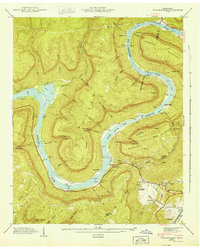 1943 Wauhatchie1943 Print · USGSMarion and Hamilton County terrain is defined by the winding Tennessee River during the era of the Tennessee Valley Authority. Genealogists can trace family footprints at Kellys Ferry, rural schools like Suck Port Sch, and family burial sites including Francis Cem.
 - 1943 Map of South Pittsburg, 1946 Print
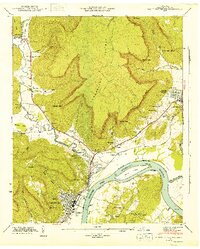 1943 South Pittsburg1946 Print · USGSMarion County enters the mid-century as a vital river and rail corridor where the Cumberland Plateau meets the Tennessee River. Genealogists can trace family names at Raulston Cem, Chaudoin Cem, and rural schools like the Battle Creek Institute.2 unique versions available
 - 1943 Map of Sequatchie, 1946 Print
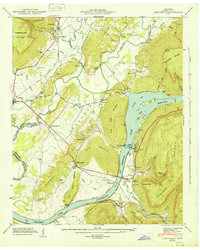 1943 Sequatchie1946 Print · USGSThe Tennessee River valley in the early 1940s reveals a landscape being transformed by industrial power and major reservoir projects. Genealogists and historians can trace family locations through Old Union Cem, Killian Sch, and the Marion County Home.
 - 1943 Map of Ketner Gap, 1960 Print
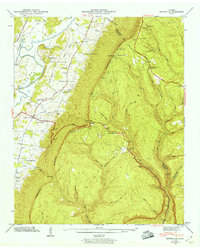 1943 Ketner Gap1960 Print · USGSMarion and Sequatchie Counties are shown here during the early 1940s as the river valley and plateau transitioned into the modern era. Family historians can locate several local landmarks, from Kelley Chapel and Powells Crossroads to the Suck Creek Sch and Pickett Cem.5 unique versions available
Showing maps 1-25 of 69
Top cities of Marion County
- South Pittsburg historical maps
- Jasper historical maps
- Whitwell historical maps
- Kimball historical maps
- Powells Crossroads historical maps
- New Hope historical maps
See more
Frequently asked questions
- What are the different types of historical maps available for Marion County?
- What is the oldest map of Marion County?
- Where can I purchase historical maps of Marion County for my home or office?
- Where can I download high-res historical maps of Marion County?
- Are there historical topographic maps available for Marion County?
- Is there historical aerial imagery available for Marion County?
- Where are historical maps of Marion County sourced from?