Old Maps of Lebanon, Tennessee for Metal Detecting
Plan your next treasure hunt with 44 historic maps of Lebanon. Find old homesites, ghost towns, trails, and gathering spots that may be lost to time — perfect for identifying promising metal detecting locations.
- Locate forgotten sites: Uncover places like long-lost settlements, abandoned rail lines, or gathering spots.
- Plan better hunts: Use map overlays combined with LiDAR or satellite views to narrow in on historically rich areas.
- Made for detectorists: Thousands of hobbyists use these maps to discover relics, coins, and hidden history.
Use these historic maps to boost your research and find new opportunities beneath the surface of Lebanon.
Lebanon, TN maps
(44)- 1942 Map of Statesville
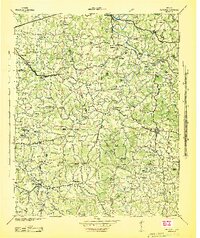 1942 Statesville1942 Print · USGSMid-century Tennessee comes alive in this survey of the river valleys and rail lines east of Nashville. Researchers can trace the path of the Tennessee Central Railway and locate historic points like Denny Seminary and Tuckers Crossroads.
 - 1942 Map of Gallatin
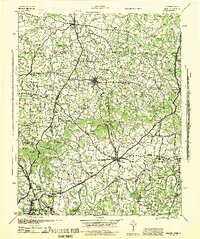 1942 Gallatin1942 Print · USGSThe Tennessee-Kentucky borderlands were a crossroads of river and rail during the early war years. Genealogists and historians can trace family roots through dozens of named settlements like Bethpage, Prices Mill, and Mitchellville, or locate historic river crossings such as Kirkpatricks Ferry.
 - 1942 Map of Lebanon, 1944 Print
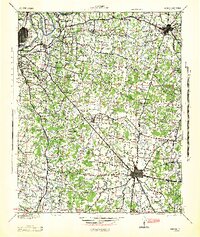 1942 Lebanon1944 Print · USGSMiddle Tennessee at the start of the war years reveals a landscape of historic homesteads and burgeoning military infrastructure. Genealogists and historians can trace family locations near The Hermitage, follow the Tennessee Central rail lines, or locate the newly established Smyrna Air Base.
 - 1951 Map of Lebanon, 1952 Print
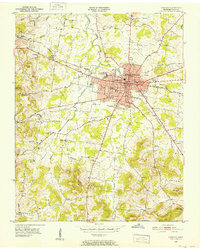 1951 Lebanon1952 Print · USGSMid-century Lebanon and its surrounding Wilson County landscape are captured here just as the post-war era transformed this rail-hub community. Researchers can locate ancestral sites like Bethlehem Ch, the Castle Heights Military Academy, and numerous family burial grounds including Ligon Cem and Greenwood Cem.4 unique versions available
 - 1951 Map of Martha, 1952 Print
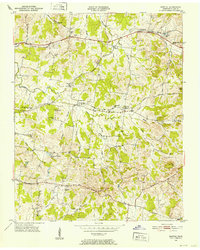 1951 Martha1952 Print · USGSIn the early 1950s, this area of Wilson County was defined by its railroad hamlets and a robust network of community schools. Genealogists and historians can trace family locations through numerous rural landmarks like Beckwith Sch, Rutland Cem, and Old Union Ch.4 unique versions available
 - 1955 Map of Laguardo, 1956 Print
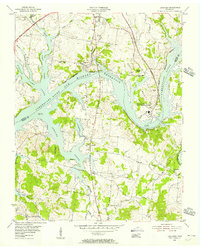 1955 Laguardo1956 Print · USGSThe Cumberland River valley transitioned into a modern utility corridor in the mid-fifties as the reservoir waters rose. Genealogists and historians can trace local landmarks like the Odoms Bend Sch, Franklin Chapel, and the Drive-in Theatre near Laguardo.5 unique versions available
 - 1955 Map of Hunters Point, 1956 Print
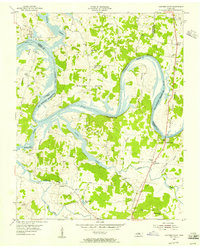 1955 Hunters Point1956 Print · USGSNorth of Lebanon in the mid-1950s, the rising waters of the Old Hickory Reservoir began to transform these historic river bends. Researchers can locate family landmarks like Ebenezer Cem and trace the paths of Coles Ferry Road and Cedar Pike.4 unique versions available
 - 1956 Map of Gladeville, 1957 Print
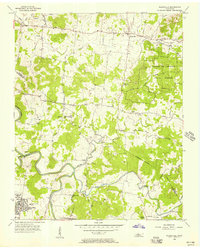 1956 Gladeville1957 Print · USGSMid-century Tennessee is captured here as rural crossroads like Gladeville meet military growth at Stewart Air Force Base. Genealogists can trace family landmarks like Browns Cem and the John Colemon Sch among the timber of the Cedars of Lebanon State Forest.5 unique versions available
 - 1956 Map of Nashville, 1971 Print
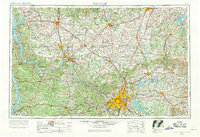 1956 Nashville1971 Print · USGSThe Tennessee-Kentucky borderlands come into focus in the mid-1960s as major reservoir projects transformed the Cumberland and Tennessee river valleys. Researchers can trace the rail networks of the Louisville and Nashville and visit sites like Fort Campbell and Fort Donelson National Military Park.2 unique versions available
 - 1958 Map of Shop Springs, 1959 Print
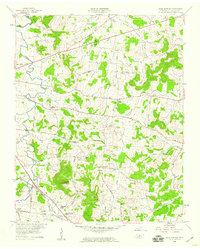 1958 Shop Springs1959 Print · USGSMid-century Wilson County comes alive through this record of rural Tennessee life and its network of country roads. Genealogists can trace family connections near Shop Springs, Tuckers Crossroads, and the historic Bethlehem Cem.2 unique versions available
 - 1959 Map of Nashville
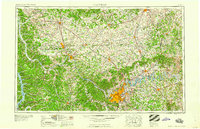 1959 Nashville1959 Print · USGSMiddle Tennessee and Southern Kentucky come into focus during the late fifties, showing the region's transition into a modern transportation and military hub. Researchers can trace the sprawling Fort Campbell Military Reservation or locate historic rail stops along the Tennessee Central Ry and Illinois Central RR.
 - 1984 Map of Nashville, 1985 Print
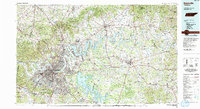 1984 Nashville1985 Print · USGSMiddle Tennessee in the mid-1980s reveals a region balancing urban expansion with its deep river-valley roots. Genealogists and historians can trace family locations near Old Hickory Lake, explore the grounds of Vanderbilt University, or locate ancestral sites like Greenwood Cem.
 - 1994 Map of Shop Springs, 1997 Print
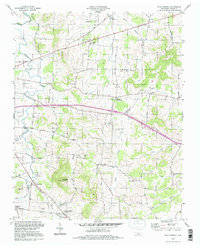 1994 Shop Springs1997 Print · USGSWilson County in the mid-nineties remained a landscape of quiet crossroads and historic congregation sites. Genealogists and local researchers can trace family landmarks like Linwood Cem, Shop Springs, and numerous churches from Grissim Ch to Bethlehem Ch.
 - 1994 Map of Hunters Point, 1997 Print
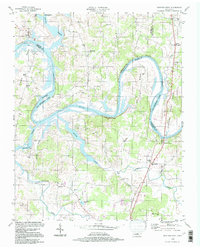 1994 Hunters Point1997 Print · USGSThe Cumberland River loops through Wilson and Sumner counties in the mid-1990s, where old oxbows meet the modern waters of Old Hickory Lake. Researchers can trace early settlements at Cairo and Macedonia, or locate rural landmarks like Carroll Sch and the Nathan J Harsh Bridge.
 - 2010 Map of Lebanon, 2010 Print
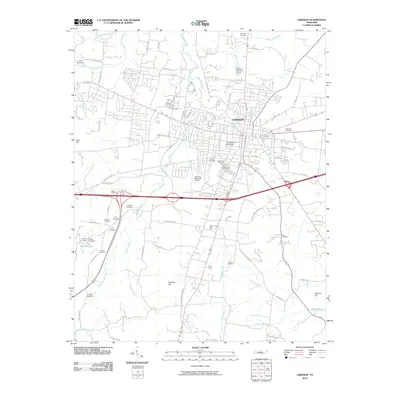 2010 Lebanon2010 Print · USGSLebanon and the surrounding Wilson County landscape are captured here during a period of steady modern growth. Researchers can locate numerous family burial grounds like Van Hook Cemetery and Eddins Cemetery, or trace the campus of Cumberland University.
 - 2010 Map of Hunters Point, 2010 Print
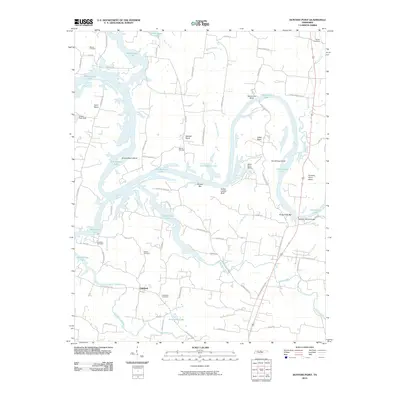 2010 Hunters Point2010 Print · USGSThe Cumberland River valley north of Lebanon comes into focus in this early twenty-first-century survey of Old Hickory Lake. Researchers can trace family history at Ebeneezer Cemetery or explore the river terrain at Indian Ladder Bluff and Belotes Bar.
 - 2010 Map of Laguardo, 2010 Print
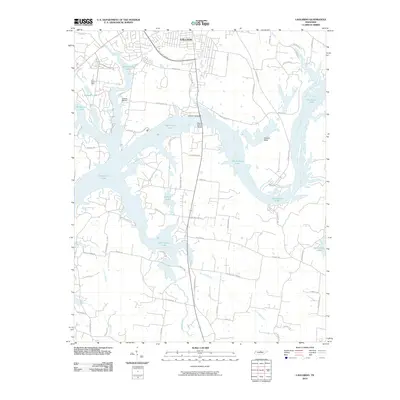 2010 Laguardo2010 Print · USGSThe area south of Gallatin is shown here in the early twenty-first century, defined by the expansive waters of the Cumberland River. Researchers can trace land development around Old Hickory Lake and identify key landmarks like Odoms Bend and the Martha Gallatin Bridge.
 - 2010 Map of Martha, 2010 Print
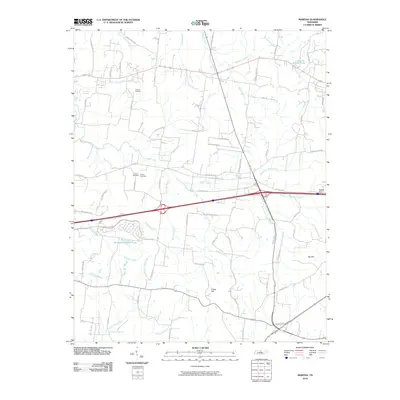 2010 Martha2010 Print · USGSWilson County shows its mix of historic rural roots and modern growth at the turn of the decade. Genealogists can locate family-named landmarks like Viverett Cemetery or Gaines Cemetery and trace natural features like Tucker Gap.
 - 2010 Map of Shop Springs, 2010 Print
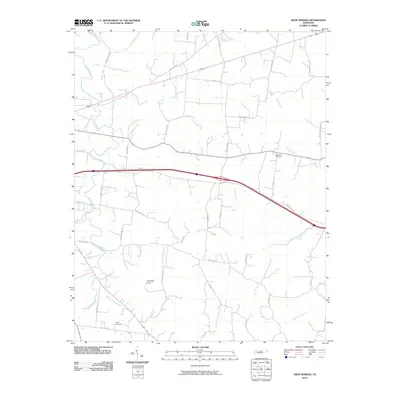 2010 Shop Springs2010 Print · USGSWilson County at the end of the first decade of the 2000s shows a well-established rural landscape shaped by its many creek prongs. Genealogists and historians can locate family burial sites at Bethlehem Cemetery or trace the drainage of Shop Springs Branch near Jennings Knob.
 - 2010 Map of Gladeville, 2010 Print
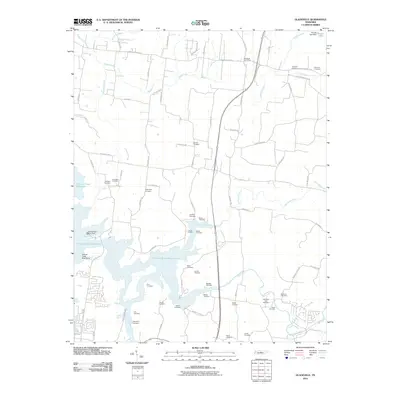 2010 Gladeville2010 Print · USGSRutherford and Wilson counties are shown here as the local landscape adapts to the presence of the J Percy Priest Reservoir. Genealogists can trace dozens of family burial sites like Livenston Cemetery, Lannom Cemetery, and Brothers Cemetery.
 - 2013 Map of Hunters Point, 2013 Print
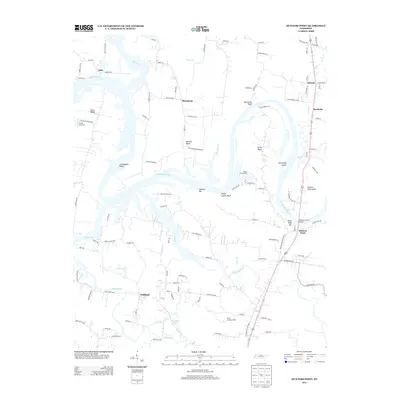 2013 Hunters Point2013 Print · USGSWilson County's riverfront communities are captured here in the early twenty-first century as suburban growth reaches the historic bends of the Cumberland. Trace the local landscape through named settlements like Oakland and landmarks such as Indian Ladder Bluff and the Nathan J Harsh Bridge.
 - 2013 Map of Shop Springs, 2013 Print
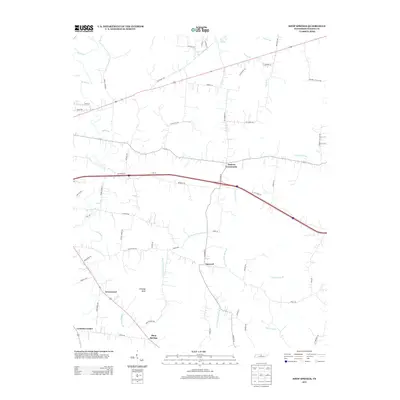 2013 Shop Springs2013 Print · USGSWilson County remains a landscape of historic crossroads and family-named hollows into the early twenty-first century. Researchers can trace ancestral property locations near Tuckers Crossroads, Shop Springs, and the waters of Jennings Fork.
 - 2013 Map of Gladeville, 2013 Print
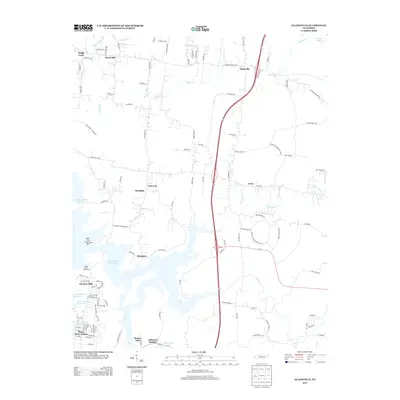 2013 Gladeville2013 Print · USGSMiddle Tennessee’s landscape is seen just over a decade ago as suburban growth reaches historical crossroads like Gladeville and Rural Hill. Researchers can trace old routes like Couchville Pike or locate waterfront developments near Jefferson Springs.
 - 2013 Map of Martha, 2013 Print
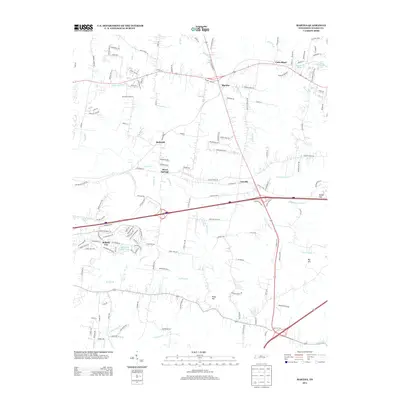 2013 Martha2013 Print · USGSWilson County transitions from rural tradition to modern suburban hubs in the early twenty-first century. Genealogists and locals can trace family names and landmarks from Breeden's Orchard to the growing streets of Belinda City and Leeville.
 - 2013 Map of Laguardo, 2013 Print
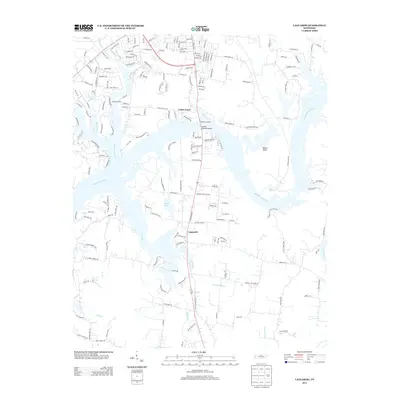 2013 Laguardo2013 Print · USGSSumner County as it appeared in the early 2010s shows a landscape where the river's path still dictates local geography even as residential growth expands. Genealogists and local historians can trace the development around Laguardo and Odoms Bend or follow the waters of Station Camp Cr.
Showing maps 1-25 of 44
Top cities near Lebanon
- Nashville historical maps
- Hendersonville historical maps
- Smyrna historical maps
- La Vergne historical maps
- Gallatin historical maps
- Mount Juliet historical maps
See more
Top neighborhoods of Lebanon
- Martha historical maps
- Maple Hill historical maps
- Forktown historical maps
- West End Heights historical maps
- Cairo Bend historical maps
- Egan historical maps
See more
Frequently asked questions
- What are the different types of historical maps available for Lebanon?
- What is the oldest map of Lebanon?
- Where can I purchase historical maps of Lebanon for my home or office?
- Where can I download high-res historical maps of Lebanon?
- Are there historical topographic maps available for Lebanon?
- Is there historical aerial imagery available for Lebanon?
- Where are historical maps of Lebanon sourced from?