1900s (20th Century) Maps of Bell County, Texas
Explore 64 historic maps of Bell County from the 1900s (20th Century). These maps offer a rare glimpse into what life looked like during the 1900s — showing old roads, neighborhoods, homes, and landmarks that have changed or disappeared over time.
Whether you're researching your family's past, planning a metal detecting trip, or studying how Bell County's landscape evolved across the 1900s, these high-resolution maps are a powerful tool for exploring the history of this region.
- Focus on a specific era: All maps on this page are from the 1900s, giving you a focused view of this time period.
- See what’s changed: Compare century-old streets, trails, and buildings to today's modern landscape using overlays and satellite layers.
- Research with precision: Use these maps for genealogy, historical research, land use analysis, or educational projects.
- View, download, or print: Maps are fully viewable online in high resolution, and can be downloaded or printed for your own records.
Start exploring Bell County's history through authentic maps from the 1900s. This is your window into the past.
Bell County, TX maps
(64)- 1924 Map of Gatesville 4-d
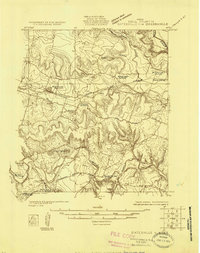 1924 Gatesville 4-d1924 Print · USGSBell County in the mid-twenties shows a landscape of river-valley homesteads and remote rail sidings along the Leon River. Genealogists can locate several rural community landmarks, including Wiltonville School, Youngsport, and Beren Crossing.
 - 1924 Map of Gatesville 4-a
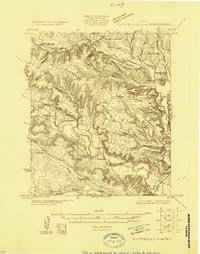 1924 Gatesville 4-a1924 Print · USGSBell and Coryell Counties are mapped here in the mid-1920s, revealing a landscape of upland farms and valley crossings. Genealogists can trace early landmarks like Seattle, Sparta, and Liberty Hill Church, along with rural schoolhouses such as Phoenix School.
 - 1924 Map of Temple 2-C
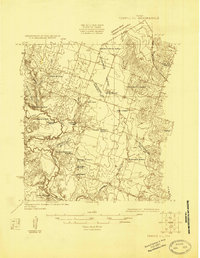 1924 Temple 2-C1924 Print · USGSCentral Texas farming communities and river crossings are captured here in the mid-1920s across the Bell, Coryell, and McLennan county lines. Genealogists can trace family footprints at Haunted Hill School, Whitson, and the German Lutheran Church.
 - 1924 Map of Temple 3-C
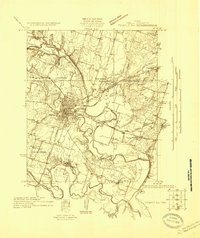 1924 Temple 3-C1924 Print · USGSBell County at the peak of the rail era shows a landscape where river valleys were the centers of life. Genealogists can locate family landmarks like Rock School, Midway Church, and the winding Meridian Highway.
 - 1924 Map of Temple 3-B
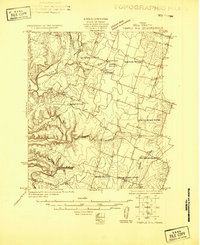 1924 Temple 3-B1924 Print · USGSBell County agriculture and rural life are captured in the mid-1920s as small communities thrived along the Leon River. Genealogists can trace early homesteads near the Whitehall School, Moffat, and the Hopewell Church.
 - 1930 Map of Killeen
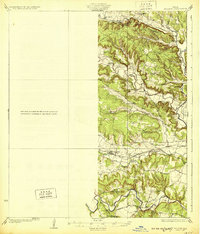 1930 Killeen1930 Print · USGSBell County was a landscape of small school districts and river crossings in the early thirties. Genealogists can trace family roots through rural landmarks like Keyes Valley Sch, Youngsport, and the Santa Fe line at Stone Siding.2 unique versions available
 - 1931 Map of Mc Gregor
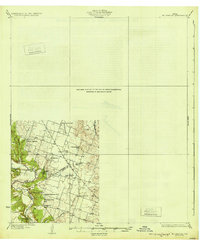 1931 Mc Gregor1931 Print · USGSCentral Texas rural life in the twenties is preserved here, showing a landscape densely dotted with family-named schools and country churches. Genealogists can trace ancestors through specific landmarks like Haunted Hill Sch, Blair Chapel, and the community at Eagle Springs.2 unique versions available
 - 1931 Map of Belton, 1949 Print
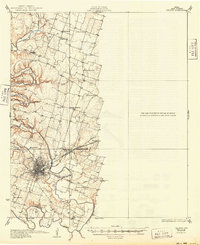 1931 Belton1949 Print · USGSBell County in the 1920s and 30s reveals a landscape of river-valley farming and bustling railroad junctions centered on the county seat. Genealogists and historians can trace early community life through numerous rural landmarks like Moffat Sch, Tennessee Valley Ch, and the Belton and Temple Electric R R.
 - 1947 Map of Fort Hood
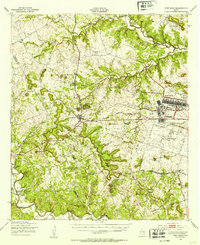 1947 Fort Hood1947 Print · USGSCoryell and Lampasas Counties are shown here during the post-war expansion of military and rail infrastructure. Researchers can trace the layout of Fort Hood alongside rural landmarks like Willow Springs School, Starkle Cemetery, and the Variety Club Boys Ranch.
 - 1947 Map of Bland, 1953 Print
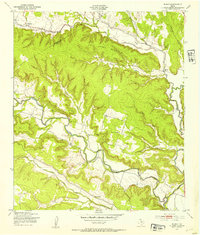 1947 Bland1953 Print · USGSBell and Coryell County rural life is captured here in the late 1940s, documenting a landscape of small schools and family cemeteries. Trace the heritage of Sparta and Bland or locate ancestral sites like Liberty Hill Cem and Phoenix Sch.
 - 1947 Map of Fort Hood, 1953 Print
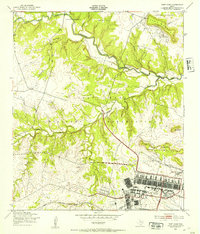 1947 Fort Hood1953 Print · USGSFort Hood and its surrounding Texas hill country are captured here just after the war, showing the post's massive expansion across the county line. Researchers can trace the original cantonment layout near the Station Hospital or locate early training sites like the IMPACT AREA and Jack Mountain Ranges.
 - 1947 Map of Post Oak Mountain, 1953 Print
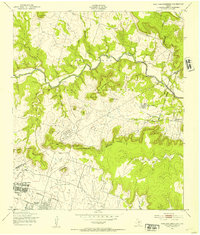 1947 Post Oak Mountain1953 Print · USGSKilleen and the surrounding hill country are shown just after the war, as the military presence at Fort Hood transformed the local landscape. Genealogists and historians can trace early residential areas like Jan Mock Village or find old river crossings such as Mason Crossing and Riggs Ford.
 - 1947 Map of Killeen, 1953 Print
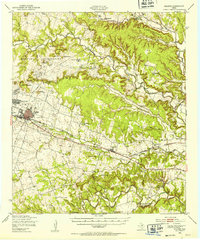 1947 Killeen1953 Print · USGSBell and Coryell Counties appear here in the years following the war, showcasing the early growth of Killeen and the Fort Hood Military Reservation. Local historians can trace vanished schoolhouses and churches like Union Hill Sch and McDowell Ch alongside the Gulf Colorado and Santa Fe line.
 - 1947 Map of McMillan Mountains, 1953 Print
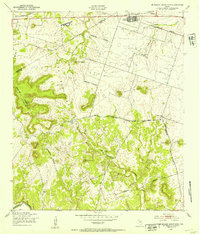 1947 McMillan Mountains1953 Print · USGSCentral Texas hills and military expansion meet in the late 1940s near the Bell and Coryell county line. Researchers can trace family landmarks like Mayberry Cem and the Willow Springs Sch against the rising presence of the Fort Hood Military Reservation.
 - 1947 Map of Leon Junction, 1953 Print
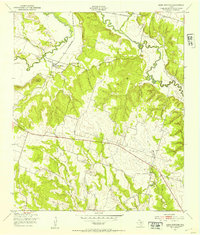 1947 Leon Junction1953 Print · USGSCoryell County is captured here in the late 1940s as rural life centered around the St Louis Southwestern railroad and the Leon River. Local historians can trace family roots at The Grove, Leon Junction, and the King Cem.
 - 1947 Map of Killeen, 1953 Print
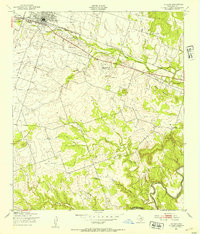 1947 Killeen1953 Print · USGSKilleen was rapidly expanding just after the war as the neighboring military installation grew in importance. Researchers can trace the tracks of the Gulf Colorado and Santa Fe and find long-standing community landmarks like Evergreen Cem and Little Trimmer Creek Sch.
 - 1947 Map of Nolanville, 1953 Print
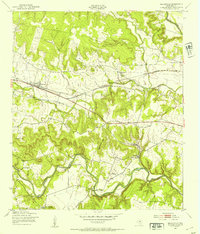 1947 Nolanville1953 Print · USGSNolanville and the surrounding Bell County ranchlands are captured here in the late 1940s as the rail and river networks shaped the local economy. Researchers can trace rural landmarks including Union Grove Sch, Burris Cem, and the path of the Gulf Colorado and Santa Fe railroad.
 - 1947 Map of Copperas Cove, 1953 Print
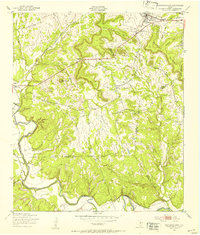 1947 Copperas Cove1953 Print · USGSCopperas Cove and Kempner are shown in the late 1940s as rural centers alongside the growing military presence at Fort Hood. Genealogists can locate family sites at Starkie Cem and Smith Cem or trace the early course of the Lampasas River.
 - 1950 Map of Gatesville, 1953 Print
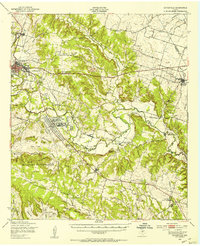 1950 Gatesville1953 Print · USGSCoryell County is captured here in the mid-twentieth century, showing the growing overlap between civilian life and the military footprint at North Fort Hood. Researchers can trace rural lineages through sites like Mound Cem, Leon Junction Sch, and the long-established State Reform School.
 - 1954 Map of Waco, 1964 Print
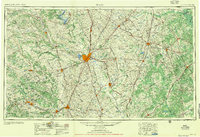 1954 Waco1964 Print · USGSCentral Texas during the mid-fifties shows a landscape defined by the expansion of Fort Hood Military Reservation and the Brazos river system. Trace the rail lines and early airfields like James Connally Air Force Base and settlements like Temple or McGregor.2 unique versions available
 - 1954 Map of Austin, 1964 Print
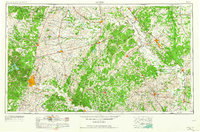 1954 Austin1964 Print · USGSCentral Texas is captured during a period of steady growth as the capital city and its neighboring farm towns began to modernize. Researchers can trace historic rail corridors like the Southern Pacific RR or locate landmarks such as Bergstrom Air Force Base and Pilot Knob.4 unique versions available
 - 1955 Map of Waco
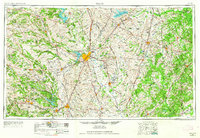 1955 Waco1955 Print · USGSCentral Texas at the peak of the Cold War reveals a landscape defined by military expansion and major water projects. Researchers can trace the footprints of Fort Hood, the waters of Lake Waco, and regional hubs like Temple or Mexia.
 - 1957 Map of Leon Junction, 1961 Print
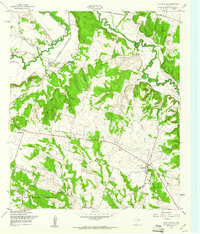 1957 Leon Junction1961 Print · USGSThe rural landscape of Coryell County in the late fifties is captured here as the military presence at the southern border influenced local land use. Researchers can locate vanished landmarks like Leon Junction Sch, trace the Old Railroad Grade, and find the St Paul Cem near The Grove.3 unique versions available
 - 1957 Map of Fort Hood, 1961 Print
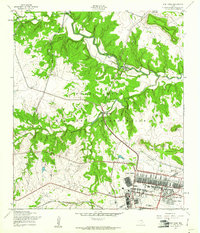 1957 Fort Hood1961 Print · USGSMid-century military expansion in Central Texas is documented here as base housing and facilities rise near older rural landmarks. Trace the early development of McNair Village and the retired route of the Gulf Colorado and Santa Fe railroad.2 unique versions available
 - 1958 Map of Youngsport, 1961 Print
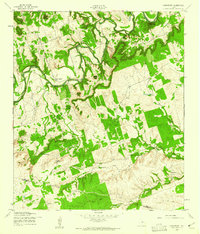 1958 Youngsport1961 Print · USGSThe Lampasas River valley in the late fifties remains a landscape of isolated ranches and prominent limestone peaks. Researchers can locate the Solana Ranch and family-named landmarks like Horse Thief Mountain or the rural Cedar Knob Ch.4 unique versions available
Showing maps 1-25 of 64
Top cities of Bell County
- Killeen historical maps
- Temple historical maps
- Harker Heights historical maps
- Belton historical maps
- Nolanville historical maps
- Troy historical maps
See more
Frequently asked questions
- What are the different types of historical maps available for Bell County?
- What is the oldest map of Bell County?
- Where can I purchase historical maps of Bell County for my home or office?
- Where can I download high-res historical maps of Bell County?
- Are there historical topographic maps available for Bell County?
- Is there historical aerial imagery available for Bell County?
- Where are historical maps of Bell County sourced from?