Old Maps of Eola, Texas for Academic Research
Study the evolution of Eola with 12 high-resolution historic maps. Whether you're teaching, researching, or modeling changes in land use, these maps provide essential visual documentation of urban, environmental, and geographic change.
- Analyze long-term change: Track patterns in development, transportation, and natural features.
- Ideal for environmental or urban studies: Support academic projects with primary historical map data.
- Use in the classroom or lab: Educators and researchers rely on these maps to bring historical context to life.
These maps are a powerful tool for teaching, research, and visualizing how Eola has changed over the decades.
Eola, TX maps
(12)- 1892 Map of San Angelo
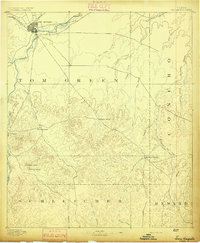 1892 San Angelo1892 Print · USGSSan Angelo and the surrounding West Texas ranch lands appear here in the early 1890s as a vital junction for the river and rail. Researchers can trace early water sources and settlements like Christoval, Lipan Spring, and the G. C. & S. F. Ry. line.3 unique versions available
 - 1954 Map of San Angelo, 1967 Print
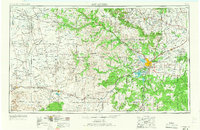 1954 San Angelo1967 Print · USGSThe Concho Valley and eastern Permian Basin transition from ranching to a burgeoning oil economy during the mid-twentieth century. Trace the expansion of San Angelo near Goodfellow AFB and locate old crossroads like Stiles, Texon, and Barnhart along the SANTA FE railroad.2 unique versions available
 - 1957 Map of Eola, 1958 Print
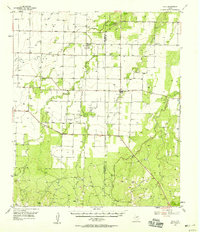 1957 Eola1958 Print · USGSThe rural landscapes of Tom Green and Concho counties are captured here in the late fifties, during a period of steady oil and ranching activity. Genealogists can trace family footprints through the Lakeview Community Cem, the old Dry Hollow Sch (Aband), and early settlements like Mereta and Vancourt.
 - 1958 Map of San Angelo
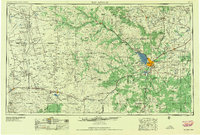 1958 San Angelo1958 Print · USGSWest Texas in the late fifties centers on the growing hub of San Angelo and its vital river confluences. Genealogists and historians can trace the paths of the Santa Fe railroad to outposts like Fort Chadbourne, Big Lake, and the specialized community of Sanatorium.
 - 1965 Map of San Angelo
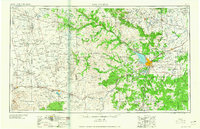 1965 San Angelo1965 Print · USGSWest Texas in the mid-sixties reveals a landscape shaped by the petroleum industry and strategic water management. Genealogists and historians can trace the rail corridor through Texon and Big Lake, or locate military landmarks like Goodfellow AFB and Broome Air Force Auxiliary Airfield.
 - 1984 Map of Eola
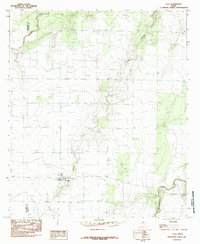 1984 Eola1984 Print · USGSConcho County ranching and infrastructure are well-documented in the mid-1970s as the community of Eola serves as a local hub. Genealogists and land researchers can trace property boundaries near Dry Hollow, Lipan Creek, and the county line.
 - 1986 Map of San Angelo
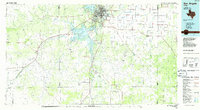 1986 San Angelo1986 Print · USGSSan Angelo and the Concho Valley appear here in the mid-1980s as a landscape shaped by massive reservoirs and a thriving energy industry. Researchers can trace the Atchison Topeka and Santa Fe rail line past Knickerbocker and explore the sprawling Oil and Gas Fields of the western plains.2 unique versions available
 - 2010 Map of Eola, 2010 Print
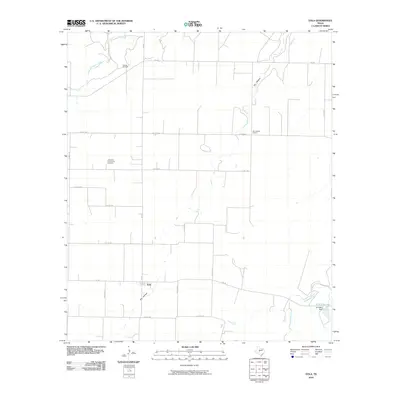 2010 Eola2010 Print · USGSConcho County farmland is captured here in the decade following the turn of the millennium, showing a landscape defined by ranching and energy. Researchers can locate the Lakeview Community Cemetery, the Dry Hollow School, and the reach of the Mereta Oil Field.
 - 2012 Map of Eola, 2012 Print
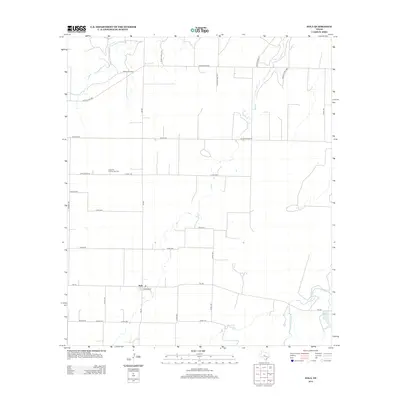 2012 Eola2012 Print · USGSNear the intersection of Concho and Tom Green counties, this rural landscape reveals the enduring layout of West Texas farming and ranching communities. Genealogists and local historians can trace family land via Kotrla Rd, locate the Dry Hollow School, and find the Lakeview Community Cem.
 - 2016 Map of Eola, 2016 Print
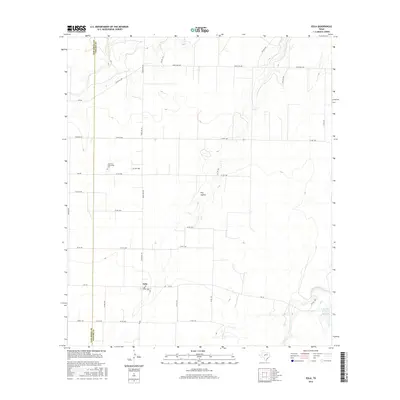 2016 Eola2016 Print · USGSConcho County ranching country is mapped here in the mid-2010s, showing the rural crossroads of Eola and the nearby Lakeview Community. Genealogists and local historians can trace family-named sites like W H Ellis Lake and the Lakeview Community Cem.
 - 2019 Map of Eola, 2019 Print
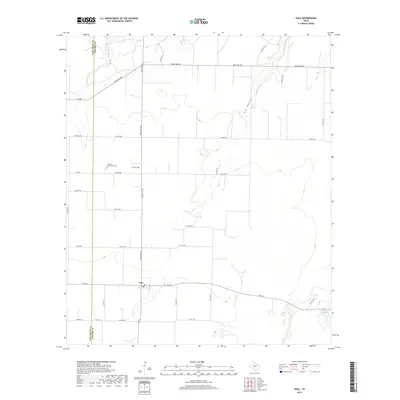 2019 Eola2019 Print · USGSNear the intersection of Concho and Tom Green Counties, this late-decade survey shows the rural Texas ranching landscape around Eola. Researchers can locate family landmarks such as the Lakeview Community Cemetery and the waters of W H Ellis Lake.
 - 2022 Map of Eola, 2022 Print
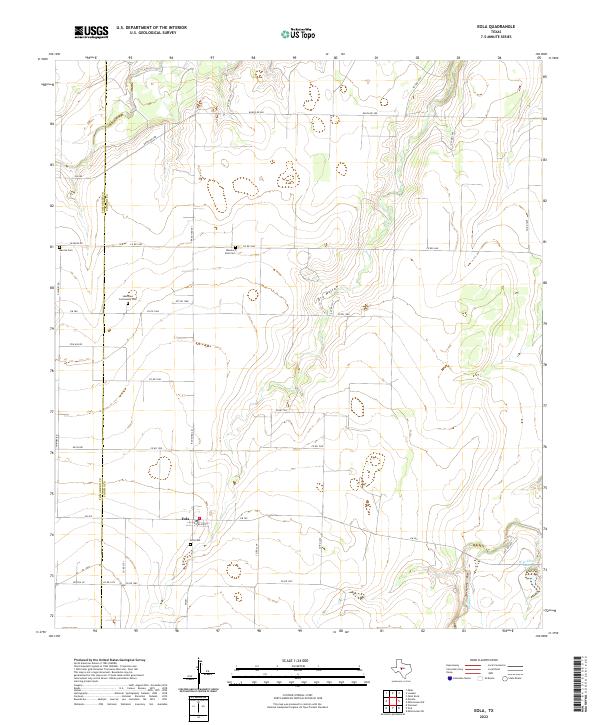 2022 Eola2022 Print · USGSConcho County ranching country and the small community of Eola are captured in the early 2020s. Genealogists and local historians can trace family land and burial sites at the Mereta - Eola Cem, Lakeview Community Cem, and along Kickapoo Creek.
End of results
Showing maps 1-12 of 12
Top cities near Eola
Frequently asked questions
- What are the different types of historical maps available for Eola?
- What is the oldest map of Eola?
- Where can I purchase historical maps of Eola for my home or office?
- Where can I download high-res historical maps of Eola?
- Are there historical topographic maps available for Eola?
- Is there historical aerial imagery available for Eola?
- Where are historical maps of Eola sourced from?