Old Maps of Red Oak, Texas for Hiking & Exploration
Hike through history with 32 historic maps of Red Oak. Explore old trails, ghost towns, and forgotten backroads — perfect for outdoor adventurers and local explorers.
- Rediscover forgotten places: Map out old mining camps, roads, and footpaths that no longer exist on modern maps.
- Layer with modern tools: Combine with LiDAR or satellite views to plan hikes through historical terrain.
- Made for exploration: Popular among hikers, overlanders, and local history lovers.
Use these maps to find adventure and explore the hidden past of Red Oak.
Red Oak, TX maps
(32)- 1891 Map of Dallas
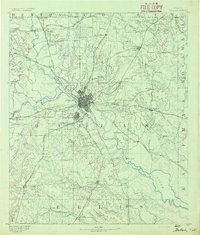 1891 Dallas1891 Print · USGSThe Dallas area during the late nineteenth century was a rapidly growing rail hub still defined by its river crossings and rural outposts. Genealogists and historians can trace the foundations of the metroplex through early landmarks like Oak Cliff, Doddy's Ferry, and Haughts Store.
 - 1893 Map of Dallas
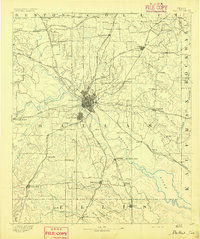 1893 Dallas1893 Print · USGSDallas was a rising railroad power in the 1890s, when iron rails and river crossings dictated the growth of North Texas. Genealogists can locate vanished landmarks and rural hubs like Oak Cliff, Doddy's Ferry, and Haught's Store before the city's modern sprawl.5 unique versions available
 - 1954 Map of Dallas, 1963 Print
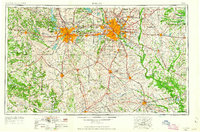 1954 Dallas1963 Print · USGSNorth Texas in the mid-fifties and early sixties reveals a landscape of rapid urban growth and water management. Genealogists and historians can trace the evolution of the metroplex through landmarks like Hensley Field, Boles Orphan Home, and the Texas & Pacific RR.4 unique versions available
 - 1956 Map of Ennis
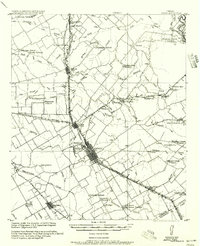 1956 Ennis1956 Print · USGSEllis County agricultural life is captured here in the years following the first World War, centered on the rail crossroads at Ennis P.O. Genealogists can locate family landmarks like Ghost School, Antioch Church, and the settlement of Boyce (Cottonwood).
 - 1958 Map of Dallas
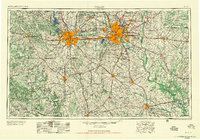 1958 Dallas1958 Print · USGSNorth Texas in the late fifties shows the dramatic expansion of the Metroplex as it absorbs surrounding farm towns. Genealogists and historians can trace old rail lines like the Missouri-Kansas-Texas and locate early lakefront developments at Eagle Mountain Lake and Lake Worth Village.
 - 1959 Map of Lancaster, 1960 Print
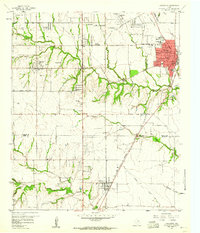 1959 Lancaster1960 Print · USGSSouthern Dallas County and northern Ellis County are shown here in the late fifties, as traditional farming communities began to expand. You can locate family history at Rawlins Cem, trace the Missouri Kansas Texas Railroad corridor, and find old landmarks like Camp Pinkston or Beckley City Chapel.5 unique versions available
 - 1959 Map of Ferris, 1960 Print
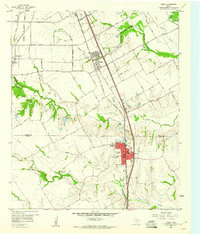 1959 Ferris1960 Print · USGSThe northern Ellis County borderlands and southern Dallas County come alive in the late fifties, showing the rail-centered growth of Ferris and Wilmer. Researchers can trace old family sites near Bluff Springs Cemetery or the Dunbar High School.3 unique versions available
 - 1959 Map of Seagoville, 1962 Print
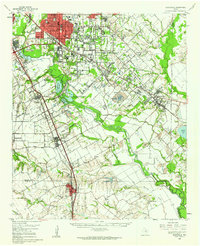 1959 Seagoville1962 Print · USGSSoutheast of Dallas in the late fifties, the Trinity River valley served as a busy corridor of railroads and growing townships. Trace family roots at Sand Branch Cem, locate the Hutchins Boys Industrial Sch, and explore the winding Parsons Slough.
 - 1961 Map of Waxahachie, 1963 Print
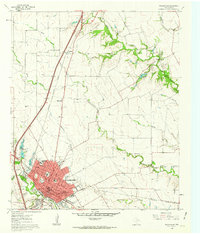 1961 Waxahachie1963 Print · USGSWaxahachie and its surrounding Ellis County farmlands are captured in the early sixties as the interstate era began to reshape the Texas landscape. Researchers can trace historic local institutions like the Southwestern Bible Institute, Bell Chapel Cem, and the Jack Coesie Childrens Home.3 unique versions available
 - 1963 Map of Palmer, 1966 Print
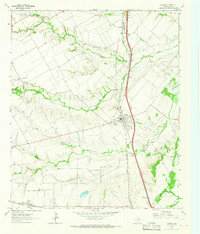 1963 Palmer1966 Print · USGSEllis County's blackland prairie landscape is captured here in the early 1960s, centered on the railroad town of Palmer. Researchers can trace old family burial sites like Smith Cem and Lucille Cem or locate the rural Cedar Grove Ch near the banks of Brushy Creek.3 unique versions available
 - 1985 Map of Corsicana, 1986 Print
 1985 Corsicana1986 Print · USGSNorth Central Texas was defined by its expanding water reservoirs and deep-rooted rail corridors in the mid-eighties. Researchers can trace the heritage of local communities through landmarks like Southwestern Bible Institute, Navarro College, and rural markers such as Derrs Chapel.2 unique versions available
 - 1986 Map of Dallas
 1986 Dallas1986 Print · USGSThe North Texas metropolitan landscape comes into focus during the mid-eighties as urban growth expands toward the eastern reservoirs. Researchers can trace historic cemeteries like Oak Cliff Cem, rail corridors of the Texas & Pacific RR, and landmarks such as Southern Methodist University.3 unique versions available
 - 2010 Map of Lancaster, 2010 Print
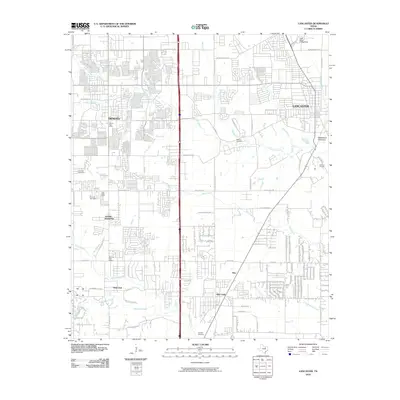 2010 Lancaster2010 Print · USGSThe suburban and rural landscape south of Dallas is captured here in the early twenty-first century as cities began to merge. Researchers can trace family history at Rawlins Cemetery and Edgewood Cemetery or locate the DeSoto Post Office and Carroll Air Park.
 - 2010 Map of Waxahachie, 2010 Print
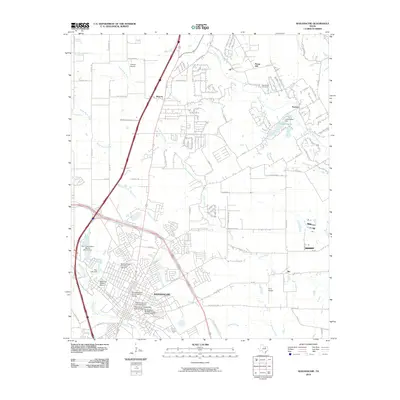 2010 Waxahachie2010 Print · USGSWaxahachie and the surrounding blackland prairies are documented here in the early twenty-first century, showing the town's expanding residential footprint. Genealogists can trace family sites near the Bell Chapel Cemetery or explore the numerous historic sectors like the Oldham Avenue Historic District.
 - 2010 Map of Ferris, 2010 Print
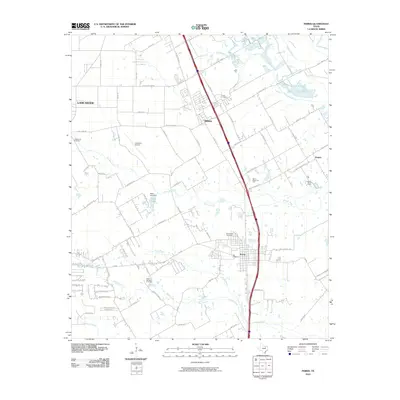 2010 Ferris2010 Print · USGSThe communities of Ferris and Wilmer are captured during a period of modern expansion along the Trinity River tributaries. Researchers can locate numerous historical burial sites including Bluff Springs Cemetery, Trinity Cemetery, and the Old Cemetery near the city center.
 - 2010 Map of Palmer, 2010 Print
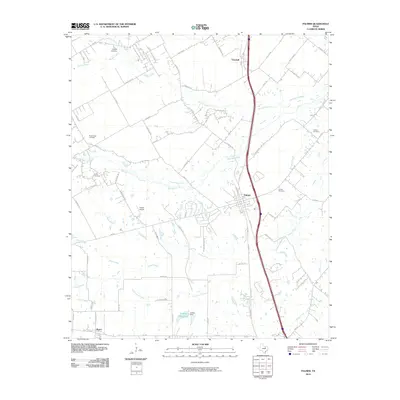 2010 Palmer2010 Print · USGSEllis County at the turn of the decade shows a landscape of established towns and enduring family landmarks along the prairie creeks. Genealogists and local historians can trace legacy sites like the Prude Hyde Cemetery or the community of Boyce near Griffith Reservoir.
 - 2012 Map of Ferris, 2012 Print
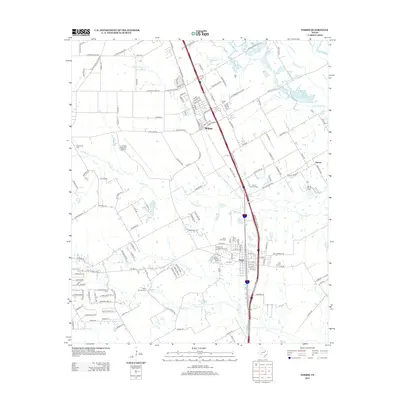 2012 Ferris2012 Print · USGSThe southern Dallas County corridor is shown here just over a decade ago, highlighting the expansion between Wilmer and Ferris. Researchers can trace local lineage through numerous sites like Bluff Springs Cem, Old Cem, and Trinity Cem along the rail line.
 - 2012 Map of Waxahachie, 2012 Print
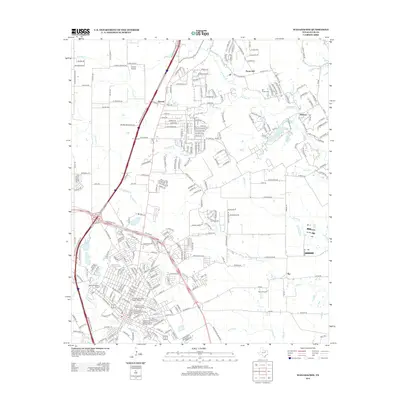 2012 Waxahachie2012 Print · USGSWaxahachie and its surrounding Ellis County prairie are shown here in the early 2000s, balancing rapid modern growth with a deeply preserved architectural core. Researchers can trace several designated historic areas, from the Ellis County Courthouse Historic District to the Bells Chapel Cem and the settlement of Rockett.
 - 2012 Map of Palmer, 2012 Print
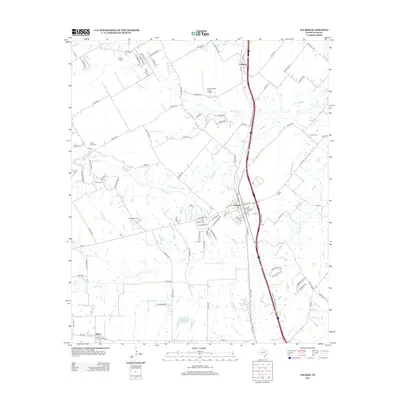 2012 Palmer2012 Print · USGSEllis County at the start of the 2010s shows a landscape where historic rural settlements meet modern transit corridors. Researchers can trace family sites like Lucille Cem and Prude Hyde Cem or explore the geography around Palmer and Boyce.
 - 2012 Map of Lancaster, 2012 Print
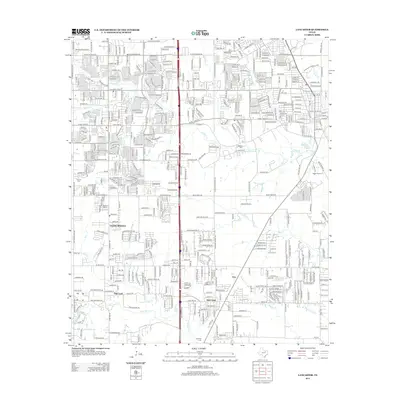 2012 Lancaster2012 Print · USGSTexas suburban growth and older rural landmarks converge south of Dallas in this 2012 survey. Genealogists and local researchers can trace the expansion of Red Oak and Glenn Heights while locating historical sites like Rawlins Cem and Camp Pinkston.
 - 2016 Map of Palmer, 2016 Print
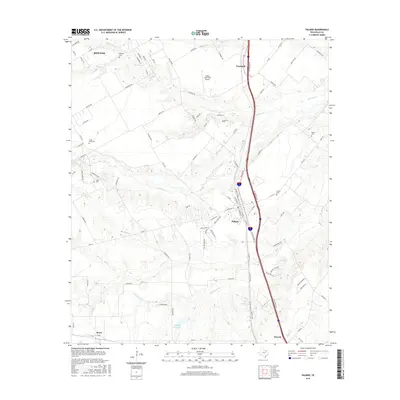 2016 Palmer2016 Print · USGSEllis County's agricultural and transportation corridor is documented here in the mid-2010s, showing the growth of Palmer and Red Oak. Family historians can trace local roots at Palmer Cem and Smith Cem or follow the paths of Brushy Cr and Village Cr.
 - 2016 Map of Lancaster, 2016 Print
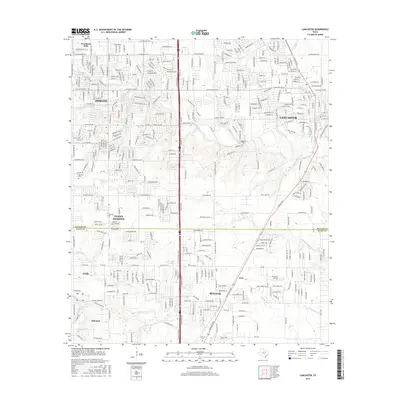 2016 Lancaster2016 Print · USGSThe suburban transition south of Dallas comes into focus here, showing the growth of Lancaster and Red Oak in the mid-2010s. Genealogists and local historians can trace legacy landmarks like Rawlins Cem or the smaller community of Elva near the winding Bear Cr.
 - 2016 Map of Waxahachie, 2016 Print
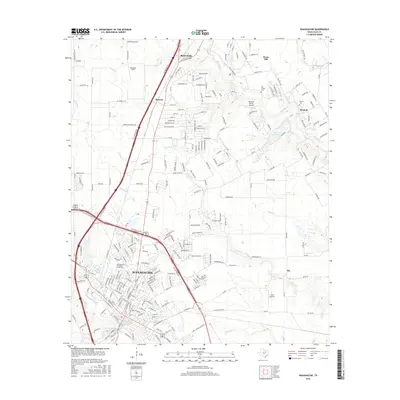 2016 Waxahachie2016 Print · USGSWaxahachie and the surrounding Ellis County communities are shown during a time of steady growth in the mid-2010s. Researchers can locate family landmarks like Bell Chapel Cem or trace the routes of the BNSF RR and historical Old Spanish Trl.
 - 2016 Map of Ferris, 2016 Print
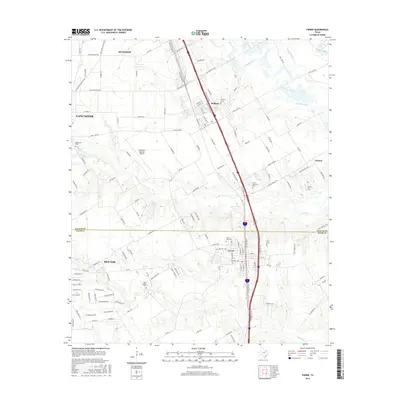 2016 Ferris2016 Print · USGSThe southern Dallas County corridor and upper Ellis County are captured here during a period of steady suburban transition. Genealogists and historians can trace family roots through several local landmarks like Bluff Springs Cem, Carver Memorial Park, and the Old Cem near Ferris.
 - 2019 Map of Palmer, 2019 Print
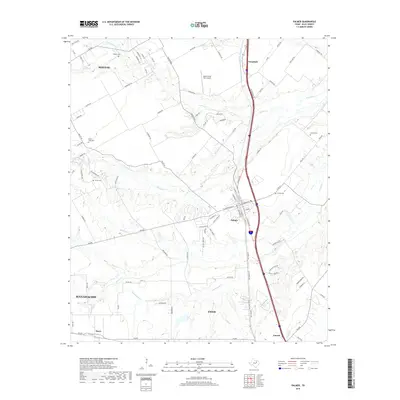 2019 Palmer2019 Print · USGSEllis County in the late 2010s reveals a landscape where modern infrastructure meets deep-rooted local history. Genealogists and researchers can trace lineage through several family-named landmarks and burial grounds like Douglas Cem, Lucille Cem, and Prude Hyde Cem.
Showing maps 1-25 of 32
Top cities near Red Oak
- Dallas historical maps
- Grand Prairie historical maps
- Mesquite historical maps
- DeSoto historical maps
- De Soto historical maps
- Cedar Hill historical maps
See more
Top neighborhoods of Red Oak
Frequently asked questions
- What are the different types of historical maps available for Red Oak?
- What is the oldest map of Red Oak?
- Where can I purchase historical maps of Red Oak for my home or office?
- Where can I download high-res historical maps of Red Oak?
- Are there historical topographic maps available for Red Oak?
- Is there historical aerial imagery available for Red Oak?
- Where are historical maps of Red Oak sourced from?