Old Maps of La Salle County, Texas
Explore 240 old maps of La Salle County, spanning from 1927 to today. These high-resolution historic maps reveal how streets, neighborhoods, landmarks, and natural features evolved over time — perfect for genealogy, metal detecting, research, and local history exploration.
What you can do with these maps:
- See how La Salle County changed over time: Compare historical maps to modern-day views to trace roads, homesites, rail lines & more.
- View detailed metadata: Each map includes creators, publishers, year, scale, and archive source.
- Overlay maps with satellite & LiDAR: Visualize the past alongside modern tools to explore terrain & human change.
- Trusted historical sources: Maps sourced from the USGS, Library of Congress, and other archives.
- Access maps your way: View online, download high-res files, or order prints for personal or research use.
Start exploring old maps of La Salle County to uncover forgotten places, hidden landmarks, and the deep history beneath your feet.
La Salle County, TX maps
(240)- 1927 Map of Bart
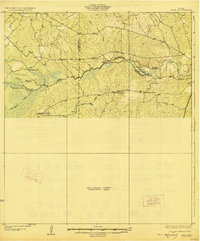 1927 Bart1927 Print · USGSThe Dimmit and La Salle County line comes alive in the mid-twenties, centered on the winding Nueces River. Genealogists and local historians can trace early ranching footprints at Cochina Ranch, Wernberger Ranch, and San Roque Ranch.3 unique versions available
 - 1929 Map of Cotulla
 1929 Cotulla1929 Print · USGSThe South Texas brush country comes alive in the late 1920s, showing a landscape of massive cattle ranches and early rail outposts. Genealogists can trace family holdings from the Carlow Settlement to Valley Wells, or locate military sites like Dentonio.
 - 1940 Map of Cotulla
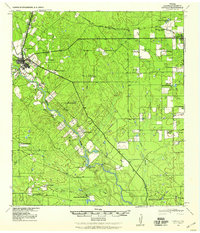 1940 Cotulla1940 Print · USGSLa Salle County ranching life is frozen in time at the start of the 1940s, centered on the rail junction at Cotulla. Genealogists and historians can trace family landmarks across the brush country, from the Buckholt School to the Albert Martin Ranch and Harriss Valley.
 - 1940 Map of Artesia Wells, 1959 Print
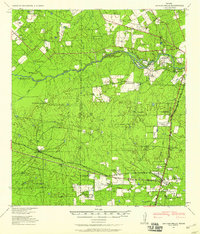 1940 Artesia Wells1959 Print · USGSLa Salle and Dimmit Counties are captured here just before the Second World War, showing a ranching landscape defined by the Nueces River. Researchers can trace family homesteads like R Armstrong and J Henderson or follow the path of the International-Great Northern Railroad through Artesia Wells.
 - 1942 Map of Fowlerton
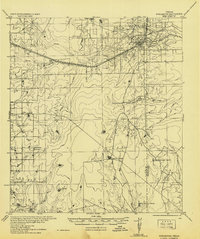 1942 Fowlerton1942 Print · USGSSouth Texas ranching and rail commerce converge in the early 1940s near the Frio River. Researchers can trace historic family holdings like Guadalupe Ranch or follow the path of the San Antonio Uvalde and Gulf State Highway No 72.
 - 1942 Map of Dilley, 1956 Print
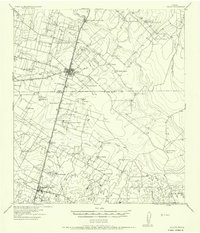 1942 Dilley1956 Print · USGSSouth Texas ranching and rail infrastructure are on full display during the early 1940s at the Frio and La Salle county line. Genealogists and historians can trace family properties like Nagy Witherspoon Ranch and Julia Harris Ranch along the International and Great Northern railroad.
 - 1953 Map of Crystal City
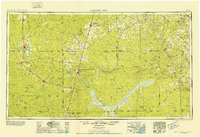 1953 Crystal City1953 Print · USGSSouth Texas in the early fifties was a landscape of expanding oil fields and vital rail connections. Genealogists and researchers can trace family lands along the Nueces River or locate heritage sites in Asherton, Big Wells, and Batesville.
 - 1955 Map of Crystal City, 1976 Print
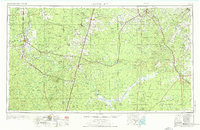 1955 Crystal City1976 Print · USGSSouth Texas ranching and oil country come into focus in the mid-fifties as the rail lines and rivers connect growing hubs. Researchers can trace the development of energy fields like Washburn Oil Field or locate historic settlements from Asherton to Three Rivers.
 - 1956 Map of Woodward
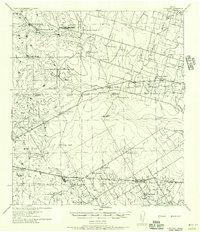 1956 Woodward1956 Print · USGSMid-century ranching and rail life dominate the South Texas borderlands where four counties meet. Genealogists and historians can trace family holdings like Vesper Ranch or El Cid Ranch and locate the rail stop at Woodward.
 - 1956 Map of Piedra Creek
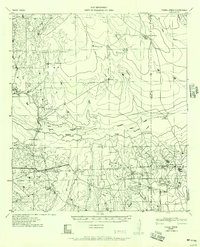 1956 Piedra Creek1956 Print · USGSThe ranching country of La Salle and McMullen Counties is captured here in the mid-1950s, following military surveys of the brushy plains. Researchers can locate remote family landmarks like the Dobie Ranch or trace the early Oil Field at Munson.
 - 1956 Map of Hindes
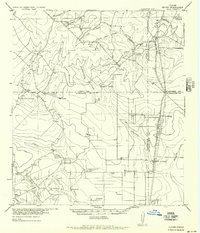 1956 Hindes1956 Print · USGSSouth Texas ranching country comes alive in this mid-century survey of the Frio and La Salle county lines. Family history researchers can trace local landmarks like the Arnold School, Schoerp & Spettel Ranch, and rail stops at Prince Siding and Zella Siding.
 - 1956 Map of Fowlerton
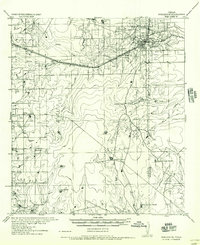 1956 Fowlerton1956 Print · USGSLa Salle County ranching and rail infrastructure are captured here in the mid-1940s as military surveys were adapted for civil use. Genealogists can locate named homesteads and outposts like Salem, Hermann Sons, and Lester J Ranch along the San Antonio Uvalde and Gulf rail line.
 - 1957 Map of Encinal
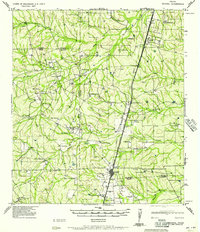 1957 Encinal1957 Print · USGSThe South Texas brush country around the Webb and La Salle county lines is captured here during a period of established ranching and rail commerce. Family historians can trace numerous homesteads and landmarks like Prairie View School, Bell Ranch, and Atlee Siding.
 - 1957 Map of Caiman Creek
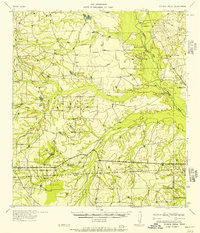 1957 Caiman Creek1957 Print · USGSThe South Texas brush country along the Nueces River appears here during the mid-1950s ranching era. Genealogists and local historians can locate specific family-held lands like Jefferies Ranch and landmarks such as the Ft Ewell Monument.2 unique versions available
 - 1961 Map of Crystal City
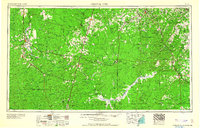 1961 Crystal City1961 Print · USGSSouth Texas in the early sixties reveals a landscape of massive cattle ranches and emerging oil fields. Genealogists and historians can trace the Missouri Pacific rail lines through Crystal City, or locate water features like Espantosa Lake and Boynton Reservoir.
 - 1968 Map of Crystal City
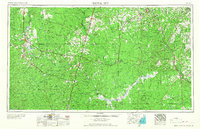 1968 Crystal City1968 Print · USGSSouth Texas in the late sixties reveals a landscape shaped by ranching roots and the vital waters of the Nueces River. Researchers can trace the rail-driven growth of Crystal City or locate landmarks like Pilot Knob and Espantosa Lake.
 - 1968 Map of Zella, 1972 Print
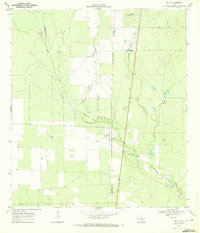 1968 Zella1972 Print · USGSIn the ranchlands of South Texas during the late sixties, this survey tracks the boundary of La Salle and McMullen counties. Researchers can trace the winding Esperanza Creek and find sites like Zella, the Esperanza Ranch, and numerous Gravel Pits.2 unique versions available
 - 1969 Map of Dull, 1971 Print
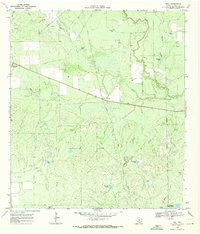 1969 Dull1971 Print · USGSLa Salle County ranching and early oil exploration are documented here during the late sixties. Trace the defunct Old Railroad Grade between Los Angeles and Dull, or locate family-named water sources like Quintana Tank and McGraw Lake.
 - 1969 Map of Hindes, 1971 Print
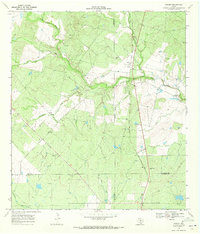 1969 Hindes1971 Print · USGSSouth Texas ranching country at the meeting of four counties is captured here in the late sixties. Trace the remnants of the Old Railroad Grade near Hindes or locate specific Oil Wells and the rural settlement of Orelia.
 - 1969 Map of Las Flores, 1971 Print
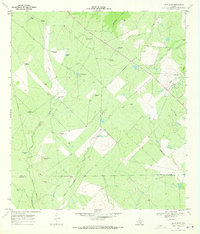 1969 Las Flores1971 Print · USGSThe ranchlands along the Frio and La Salle county line come to life in this late-sixties survey. Researchers can trace historic water sources and family landmarks like the San Jose Ranch, Caballo Blanco Windmill, and Las Flores.
 - 1969 Map of Cayman Lake, 1972 Print
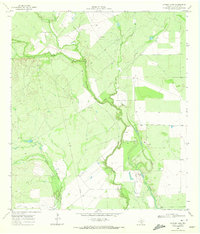 1969 Cayman Lake1972 Print · USGSThe South Texas brush country along the Frio River is captured here in the late sixties, showing a landscape of ranching and riverine sloughs. Genealogists and historians can trace family-held land like Sharp Ranch, the settlement of Angeles, and the waters of Cayman Lake.
 - 1969 Map of The White Kitchen, 1972 Print
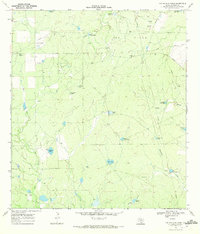 1969 The White Kitchen1972 Print · USGSLa Salle County ranchlands and oil patches are captured here in the late sixties, showing a landscape shaped by energy and cattle. Trace the locations of The White Kitchen, Quintana Camp, and numerous named water sources like 14 Section Tank and Maguey Tank.2 unique versions available
 - 1969 Map of Fowlerton, 1972 Print
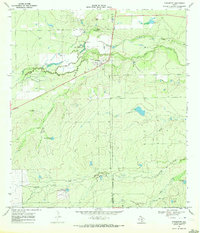 1969 Fowlerton1972 Print · USGSSouth Texas ranching and river life are captured here in the late sixties along the Frio River. Genealogists and historians can trace family ties at Galinda Ranch or locate the Fowlerton Cems and landmarks like Koon Hill.
 - 1969 Map of Briscoe Ranch, 1972 Print
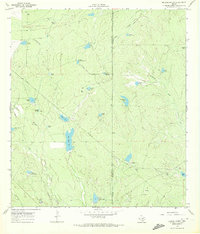 1969 Briscoe Ranch1972 Print · USGSSouth Texas ranching and oil operations are mapped in detail during the late sixties at the La Salle and McMullen county line. Researchers can trace historic ranch infrastructure through Briscoe Ranch and a vast network of stock tanks like Big Alamo Tank and Tanque Porfido.
 - 1974 Map of Piedra Creek SW, 1977 Print
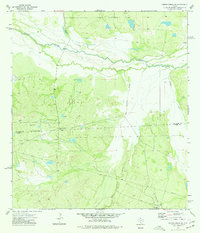 1974 Piedra Creek SW1977 Print · USGSThe South Texas brush country along the Nueces River comes into focus during the mid-seventies. Researchers can trace the ranching legacy of the Welder Dobie Ranch or locate early industrial markers like the Flowing Well and Gravel Pits.
Showing maps 1-25 of 240
Top cities of La Salle County
Frequently asked questions
- What are the different types of historical maps available for La Salle County?
- What is the oldest map of La Salle County?
- Where can I purchase historical maps of La Salle County for my home or office?
- Where can I download high-res historical maps of La Salle County?
- Are there historical topographic maps available for La Salle County?
- Is there historical aerial imagery available for La Salle County?
- Where are historical maps of La Salle County sourced from?