Old Maps of Waco, Texas for Academic Research
Study the evolution of Waco with 66 high-resolution historic maps. Whether you're teaching, researching, or modeling changes in land use, these maps provide essential visual documentation of urban, environmental, and geographic change.
- Analyze long-term change: Track patterns in development, transportation, and natural features.
- Ideal for environmental or urban studies: Support academic projects with primary historical map data.
- Use in the classroom or lab: Educators and researchers rely on these maps to bring historical context to life.
These maps are a powerful tool for teaching, research, and visualizing how Waco has changed over the decades.
Waco, TX maps
(66)- 1892 Map of Temple
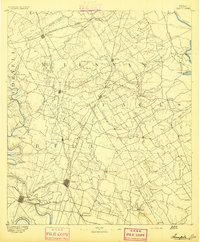 1892 Temple1892 Print · USGSTexas at the turn of the century shows a landscape defined by emerging railroad junctions and river settlements. Genealogists can trace early homesteads and rail-town growth in Temple, McGregor, and Belton near the banks of the Leon River.6 unique versions available
 - 1892 Map of Waco
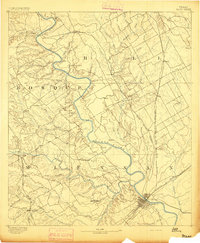 1892 Waco1892 Print · USGSCentral Texas was rapidly expanding during the 1890s as a rail and river commerce hub. Genealogists and researchers can trace the early footprints of Waco and its surrounding communities like China Springs, Valley Mills, and West along five distinct railway lines.6 unique versions available
 - 1920 Map of Waco
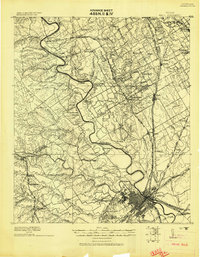 1920 Waco1920 Print · USGSWaco and its surrounding rail corridors are captured in high detail shortly after the first World War. Researchers can trace the legacy of Rifle Range Camp MacArthur and vanished river crossings like Greenwoods Ferry and Old Towash.
 - 1924 Map of Waco 4-c
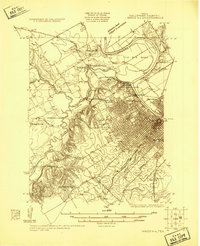 1924 Waco 4-c1924 Print · USGSWaco and its river valley are captured here in the mid-1920s as the city expanded across the Brazos. Researchers can trace historic river crossings like Walkers Crossing, find the original Cotton Palace site, or locate family-named routes such as Robinsonville Road.
 - 1924 Map of Waco 3-d
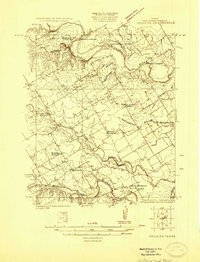 1924 Waco 3-d1924 Print · USGSMcLennan County in the mid-twenties shows a landscape of river fords and emerging petroleum sites. Genealogists can locate family landmarks like Lone Hill Church or Windsor and trace old river routes through Lowell Crossing and the South Bosque Oil Fields.
 - 1931 Map of Valley Mills
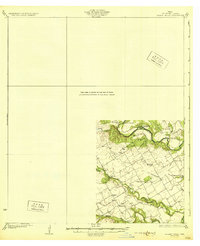 1931 Valley Mills1931 Print · USGSCentral Texas river valleys define the landscape in the mid-1920s, showing a rural network of farm-to-market crossings. Genealogists can trace family footprints near Speegleville or old meeting spots like Shiloh Ch and Caldwell Crossing.2 unique versions available
 - 1931 Map of Elm Mott
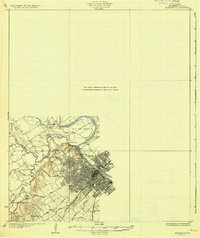 1931 Elm Mott1931 Print · USGSThe Waco area in the early thirties shows the city expanding toward the confluence of the Brazos and Bosque Rivers. Researchers can trace family roots through East Waco and McArthur Heights or locate rural landmarks like Whitehall Ch and Cameron Bridge.3 unique versions available
 - 1931 Map of Mc Gregor
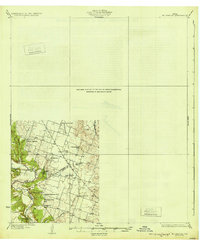 1931 Mc Gregor1931 Print · USGSCentral Texas rural life in the twenties is preserved here, showing a landscape densely dotted with family-named schools and country churches. Genealogists can trace ancestors through specific landmarks like Haunted Hill Sch, Blair Chapel, and the community at Eagle Springs.2 unique versions available
 - 1954 Map of Waco, 1964 Print
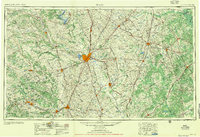 1954 Waco1964 Print · USGSCentral Texas during the mid-fifties shows a landscape defined by the expansion of Fort Hood Military Reservation and the Brazos river system. Trace the rail lines and early airfields like James Connally Air Force Base and settlements like Temple or McGregor.2 unique versions available
 - 1955 Map of Waco
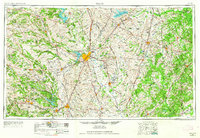 1955 Waco1955 Print · USGSCentral Texas at the peak of the Cold War reveals a landscape defined by military expansion and major water projects. Researchers can trace the footprints of Fort Hood, the waters of Lake Waco, and regional hubs like Temple or Mexia.
 - 1957 Map of Speegleville
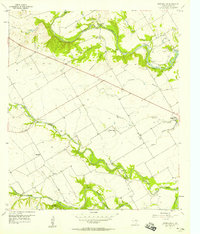 1957 Speegleville1957 Print · USGSMcLennan County's river valleys and early oil industry are captured here in the mid-fifties, just as the region's rural character was beginning to shift. Researchers can trace family landmarks like Evergreen Cem and Shiloh Ch, or explore the footprint of the South Bosque Oil Field.4 unique versions available
 - 1957 Map of Gholson, 1958 Print
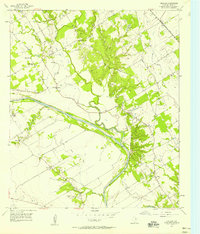 1957 Gholson1958 Print · USGSMcLennan County in the late fifties shows a landscape shaped by the Brazos River and the Missouri Kansas Texas railroad. Genealogists can trace family names through numerous sites like Gholson Cemetery, Wesley Chapel, and the Gholson School.3 unique versions available
 - 1957 Map of Lorena, 1958 Print
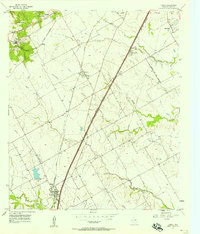 1957 Lorena1958 Print · USGSThe community of Lorena and the developing outskirts of Robinson are captured in the mid-1950s as a new highway network begins to reshape the McLennan County landscape. Researchers can trace the path of the St Louis Southwestern railroad or locate family landmarks like Lawson Cem and Bledsoe Sch.5 unique versions available
 - 1957 Map of Waco West, 1958 Print
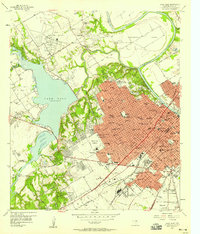 1957 Waco West1958 Print · USGSMid-century Waco expands toward the shores of the Bosque River as new suburban developments begin to ring the city. Researchers can trace the footprints of institutional landmarks like the Methodist Home and the Heart O' Texas Fairground.3 unique versions available
 - 1957 Map of Elm Mott, 1958 Print
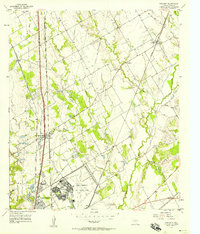 1957 Elm Mott1958 Print · USGSMcLennan County during the mid-fifties is captured here as a landscape of military aviation and railroad junctions. Researchers can trace the layout of the James Connally Air Force Base or locate local landmarks like Lindert Hall and Gerald Cemetery.3 unique versions available
 - 1957 Map of China Springs, 1958 Print
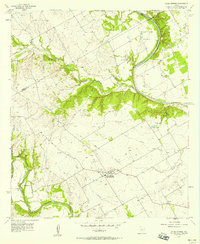 1957 China Springs1958 Print · USGSCentral Texas farmland meets the winding Brazos River in the late fifties, showcasing a rural landscape defined by river bends and creek valleys. Genealogists can locate family landmarks like Patrick Cem, Oak Grove Ch, and the settlement of Erath.4 unique versions available
 - 1957 Map of Waco East, 1958 Print
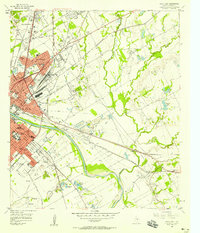 1957 Waco East1958 Print · USGSMid-century Waco and its eastern suburbs are shown here just as the post-war building boom transformed the Brazos River valley. Genealogists and historians can trace the foundations of Baylor University and locate numerous family sites at Restland Cemetery, Miller Memorial Cem, and East Waco.3 unique versions available
 - 1957 Map of Robinson, 1958 Print
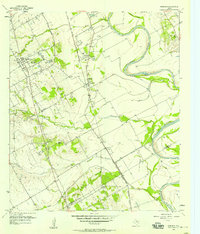 1957 Robinson1958 Print · USGSNear the banks of the Brazos River in the late 1950s, this area shows a landscape defined by rail and river. Genealogists can trace family roots through numerous sites like Rosenthal High Sch, Mt Zion Ch, and Mt Olive Cem.4 unique versions available
 - 1965 Map of South Bosque, 1969 Print
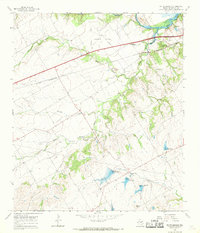 1965 South Bosque1969 Print · USGSMcLennan County's suburban and rural landscape comes into focus in the mid-1960s as Woodway begins to expand near the shores of Lake Waco. Genealogists and historians can trace the paths of the St Louis Southwestern rail line or locate the historic Horne Cem and Harris Creek Ch.3 unique versions available
 - 1985 Map of Temple
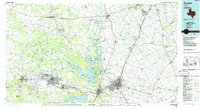 1985 Temple1985 Print · USGSCentral Texas in the mid-eighties shows a landscape of massive defense installations and deep-rooted farming communities. Genealogists and historians can trace the development of Temple and Gatesville, locate the Gatesville State School for Boys, or explore rural outposts like Zabcikville and Westphalia.2 unique versions available
 - 1985 Map of Waco
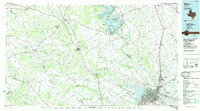 1985 Waco1985 Print · USGSCentral Texas in the mid-eighties shows a landscape of river-fed lakes and bustling transit hubs as the region expanded. Genealogists and historians can trace rail lines like the Missouri Kansas Texas or locate sites such as Rosemound Cem and Meridian State Park.2 unique versions available
 - 2010 Map of Elm Mott, 2010 Print
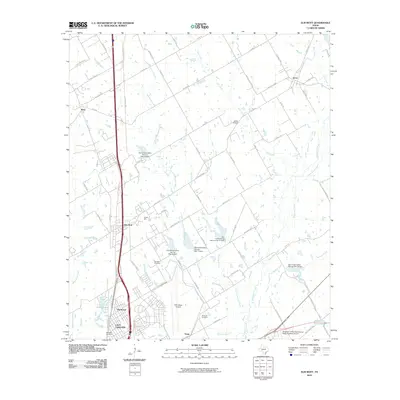 2010 Elm Mott2010 Print · USGSNorth of Waco in the early twenty-first century, this area shows the transition from suburban development to rural ranching. Researchers can trace family history at Gerald Cemetery or explore the aviation footprints of TSTC Waco Airport and Linden Hall.
 - 2010 Map of Gholson, 2010 Print
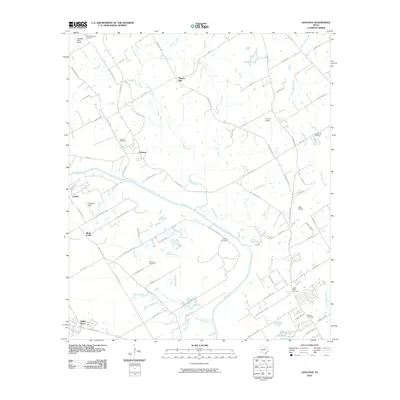 2010 Gholson2010 Print · USGSMcLennan County's riverfront and rural uplands appear here in the early twenty-first century as the Brazos River meanders past Gholson. Genealogists can trace several local burial grounds including Chalk Bluff Cemetery and Jenkins Cemetery, alongside private air strips like Tigerbird Field.
 - 2010 Map of China Springs, 2010 Print
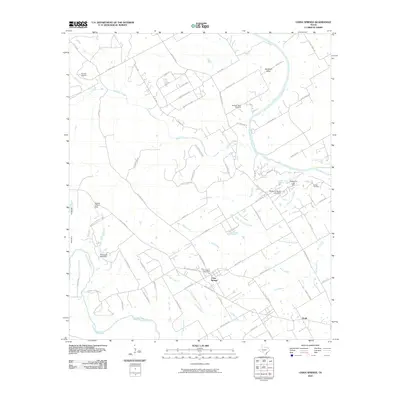 2010 China Springs2010 Print · USGSThe community of China Springs and the village of Erath are shown here at the turn of the millennium, situated between two major river systems. Genealogists can locate family landmarks like Wortham Bend Cemetery and Patrick Cemetery, or trace the China Spring Post Office and local rural routes.
 - 2010 Map of South Bosque, 2010 Print
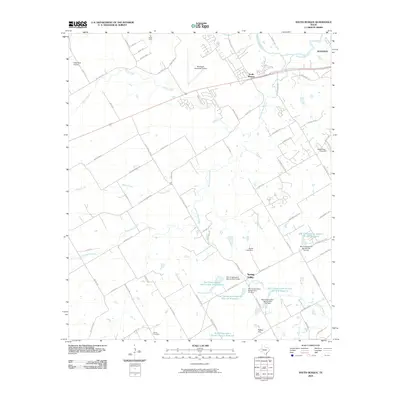 2010 South Bosque2010 Print · USGSMcLennan County at the dawn of the 2010s reveals a transition from suburban growth to managed rural lands southwest of Waco. Researchers can trace family history at Horne Cemetery or follow the paths of Harris Creek and the Cotton Belt Pkwy.
Showing maps 1-25 of 66
Top cities near Waco
- Hewitt historical maps
- Robinson historical maps
- Bellmead historical maps
- Woodway historical maps
- Lacy Lakeview historical maps
- McGregor historical maps
See more
Top neighborhoods of Waco
- Ritchie historical maps
- Speegleville historical maps
- Vemo historical maps
- Bosqueville historical maps
- South Bosque historical maps
- Erath historical maps
See more
Frequently asked questions
- What are the different types of historical maps available for Waco?
- What is the oldest map of Waco?
- Where can I purchase historical maps of Waco for my home or office?
- Where can I download high-res historical maps of Waco?
- Are there historical topographic maps available for Waco?
- Is there historical aerial imagery available for Waco?
- Where are historical maps of Waco sourced from?