1960s Maps of Starr County, Texas
Explore 16 historic maps of Starr County from the 1960s. These maps offer a rare glimpse into what life looked like during the 1960s — showing old roads, neighborhoods, homes, and landmarks that have changed or disappeared over time.
Whether you're researching your family's past, planning a metal detecting trip, or studying how Starr County's landscape evolved across the 1960s, these high-resolution maps are a powerful tool for exploring the history of this region.
- Focus on a specific era: All maps on this page are from the 1960s, giving you a focused view of this time period.
- See what’s changed: Compare century-old streets, trails, and buildings to today's modern landscape using overlays and satellite layers.
- Research with precision: Use these maps for genealogy, historical research, land use analysis, or educational projects.
- View, download, or print: Maps are fully viewable online in high resolution, and can be downloaded or printed for your own records.
Start exploring Starr County's history through authentic maps from the 1960s. This is your window into the past.
Starr County, TX maps
(16)- 1962 Map of McAllen
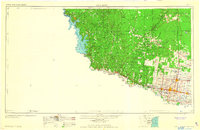 1962 McAllen1962 Print · USGSThe Lower Rio Grande Valley in the mid-twentieth century shows a complex landscape of irrigation, oil production, and border commerce. Genealogists and historians can trace family roots through riverside towns like Zapata, Roma-Los Saenz, and Hidalgo, or locate landmarks like Santa Elena Ch and Moore Air Force Base.
 - 1963 Map of McCook, 1965 Print
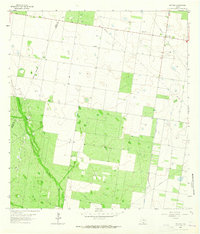 1963 McCook1965 Print · USGSHidalgo County's ranchlands and early energy fields come into focus during the early sixties as the regional landscape transitioned. Local researchers can trace family landmarks like the Immaculate Conception Cem and follow the industry footprint of the Javelina Gas Field.
 - 1965 Map of Rio Grande City South
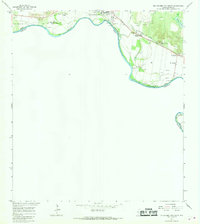 1965 Rio Grande City South1965 Print · USGSAlong the international border in the mid-sixties, this area of southern Starr County shows a landscape of river-bend settlements and early oil exploration. Genealogists can locate family landmarks like Santa Cruz and El Refugio or trace the Missouri Pacific rail line.2 unique versions available
 - 1965 Map of Los Garzas, 1968 Print
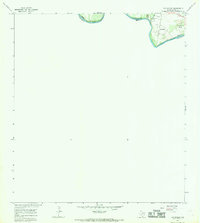 1965 Los Garzas1968 Print · USGSThe Texas-Mexico borderlands in the mid-1960s are captured here during a period of shifting river boundaries. Researchers can pinpoint the rural settlement of Los Garzas, its associated Los Garzas Cem, and local landmarks like Casa Banco No 90.2 unique versions available
 - 1965 Map of La Grulla, 1968 Print
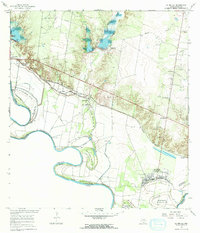 1965 La Grulla1968 Print · USGSThe Rio Grande borderlands of South Texas are captured here in the mid-sixties, showing the intricate network of river bancos and agricultural settlements. Genealogists can locate family landmarks like Solizes Cem, San Vicente Cem, and San Ignacio de Loyola.2 unique versions available
 - 1965 Map of Salineno, 1968 Print
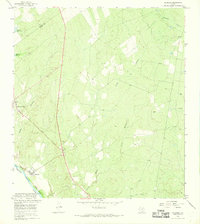 1965 Salineno1968 Print · USGSThe Texas-Mexico borderlands come into focus in the mid-1960s, showing the early infrastructure surrounding the river and the reservoir. Genealogists can trace family sites at Salineño and Los Arrierous Cem or locate old ranching outposts like Margo.2 unique versions available
 - 1965 Map of Sullivan City, 1968 Print
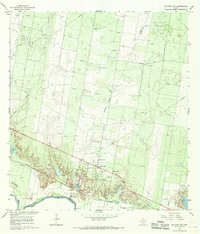 1965 Sullivan City1968 Print · USGSSullivan City and the Rio Grande borderlands come alive in the mid-sixties, showing a landscape defined by the river and the oil industry. Genealogists and historians can trace the foundations of Sullivan City and Cuevitas, or locate landmarks like San Guillermo Ch and El Faro Sch.2 unique versions available
 - 1965 Map of Camp Garcia, 1968 Print
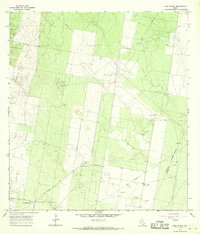 1965 Camp Garcia1968 Print · USGSStarr County in the mid-1960s was a landscape shaped by the intensive growth of the Texas petroleum industry. Genealogists and historians can trace family-named sites like Samano Ranch and Camp Garcia alongside industrial landmarks like the Davenport Oil Field.3 unique versions available
 - 1965 Map of Los Ebanos, 1968 Print
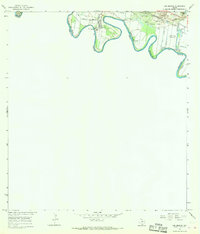 1965 Los Ebanos1968 Print · USGSThe Rio Grande Valley borderlands appear here in the mid-1960s, a landscape defined by the river's winding course and the busy gravel and gas industries. You can trace the historic International Ferry at Los Ebanos and locate rail-dependent sites like Sam Fordyce and Crow.
 - 1965 Map of Falcon Village, 1968 Print
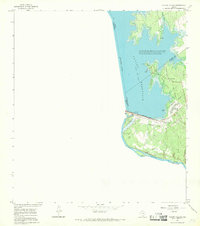 1965 Falcon Village1968 Print · USGSThe mid-sixties Rio Grande borderlands are defined here by the waters of Falcon Reservoir and the rise of Falcon Village. Researchers can trace the international boundary and locate features like Chapeno Cem and the Falcon Dam.
 - 1965 Map of Lopeno, 1968 Print
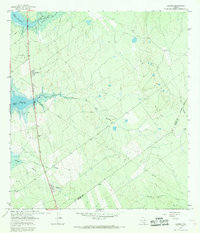 1965 Lopeno1968 Print · USGSSouth Texas brush country and the rising waters of the Rio Grande meet in the mid-sixties as energy production reshapes the borderlands. Genealogists and historians can trace the grid of the Lopeño Gas Field and old settlements like Lopeño and Falcon.
 - 1965 Map of Sagunada Ranch, 1968 Print
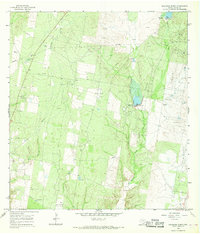 1965 Sagunada Ranch1968 Print · USGSStarr County ranching country meets the mid-century oil boom in this detailed survey of the South Texas brushlands. Researchers can trace family ranch sites like Sagunada Ranch and La Brisa Ranch alongside the sprawling Barbacoas Oil Field.
 - 1965 Map of Rio Grande City North, 1968 Print
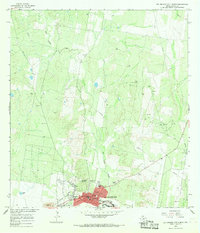 1965 Rio Grande City North1968 Print · USGSRio Grande City during the mid-1960s shows a fascinating mix of traditional town life and the expanding South Texas oil and gas industry. Trace the historic street grid from Main Plaza to West Sch, or explore the outlying landscape marked by an Old Railroad Grade and Kelsey Lake.2 unique versions available
 - 1965 Map of Roma-Los Saenz East, 1968 Print
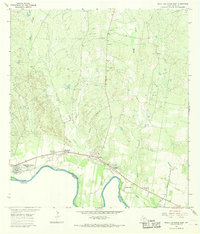 1965 Roma-Los Saenz East1968 Print · USGSThe Rio Grande borderlands in the mid-1960s reveal a string of riverfront communities and an active extraction economy. Trace local family history through Escobares and Garceno, or locate the Drive-in Theater and Oil Field.
 - 1965 Map of Los Ebanos NW, 1968 Print
 1965 Los Ebanos NW1968 Print · USGSThe international border along the river valley in the mid-1960s reveals a landscape shaped by shifting water and boundary agreements. Genealogists and researchers can trace local water sources like a Well and study the unique terrain of Valadeces Banco No 130.2 unique versions available
 - 1965 Map of Roma-Los Saenz West, 1969 Print
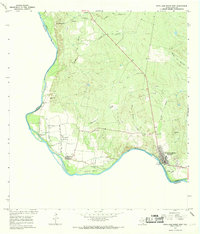 1965 Roma-Los Saenz West1969 Print · USGSThe Texas-Mexico borderlands along the Rio Grande are captured here during the mid-sixties, showing the river's influence on the international boundary. Genealogists and local historians can trace family-named sites like Gongora Hill or explore the riverfront at Fronton and the Casa Yankee Ruins.
End of results
Showing maps 1-16 of 16
Top cities of Starr County
- Rio Grande City historical maps
- Roma historical maps
- La Grulla historical maps
- San Isidro historical maps
Frequently asked questions
- What are the different types of historical maps available for Starr County?
- What is the oldest map of Starr County?
- Where can I purchase historical maps of Starr County for my home or office?
- Where can I download high-res historical maps of Starr County?
- Are there historical topographic maps available for Starr County?
- Is there historical aerial imagery available for Starr County?
- Where are historical maps of Starr County sourced from?