Old Maps of Hurricane, Utah for Academic Research
Study the evolution of Hurricane with 35 high-resolution historic maps. Whether you're teaching, researching, or modeling changes in land use, these maps provide essential visual documentation of urban, environmental, and geographic change.
- Analyze long-term change: Track patterns in development, transportation, and natural features.
- Ideal for environmental or urban studies: Support academic projects with primary historical map data.
- Use in the classroom or lab: Educators and researchers rely on these maps to bring historical context to life.
These maps are a powerful tool for teaching, research, and visualizing how Hurricane has changed over the decades.
Hurricane, UT maps
(35)- 1885 Map of St. George
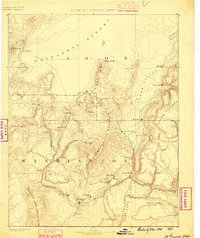 1885 St. George1885 Print · USGSSouthern Utah’s high deserts and river valleys are captured here during the mid-1880s, an era of mining expansion and early settlement. Researchers can trace the layout of pioneer towns like Silver Reef, Virgin City, and the historic site of Mountain Meadows.
 - 1891 Map of St. George
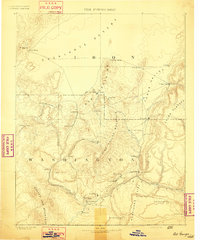 1891 St. George1891 Print · USGSSouthwestern Utah in the early 1890s was a landscape of pioneer outposts and mining ventures at the edge of the Escalante Desert. Genealogists and historians can trace the early footprints of St George, the mining camp at Silver Reef, and the now-quiet site of Iron City.4 unique versions available
 - 1953 Map of Cedar City, 1966 Print
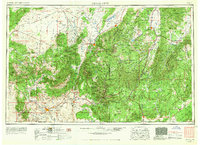 1953 Cedar City1966 Print · USGSSouthwestern Utah's high plateaus and desert basins are mapped here during the mid-fifties, showing the region before the modern interstate system. Researchers can trace historic mining at Silver Reef, follow the Union Pacific line, and locate early settlements like Kanarraville and Toquerville.3 unique versions available
 - 1954 Map of La Verkin 3 NW, 1956 Print
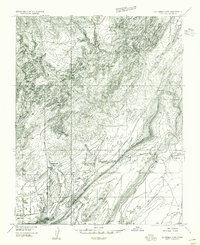 1954 La Verkin 3 NW1956 Print · USGSWashington County at the mid-century shows a landscape shaped by ranching and the Virgin River. Local historians can trace the foundations of Harrisburg, locate the Bastion Ranch, and identify early industrial efforts at the local Coal Mine.
 - 1954 Map of La Verkin 3 NE, 1956 Print
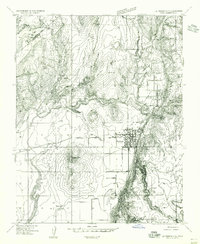 1954 La Verkin 3 NE1956 Print · USGSSouthern Utah in the mid-fifties reveals a landscape shaped by irrigation and mining along the Virgin River. Local historians can trace early town grids in Hurricane and Toquerville, or locate historic mining sites like Doyle Shaft and Vanderbilt Mine.
 - 1954 Map of La Verkin 3 SE, 1956 Print
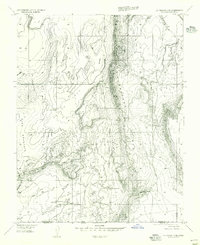 1954 La Verkin 3 SE1956 Print · USGSThe high deserts along the Utah-Arizona border are captured here in the mid-1950s, highlighting the massive Hurricane Cliffs. You can trace old ranching infrastructure like Gould Reservoir, Stock Tank, and the winding Jeep Trail through Sand Hollow.
 - 1954 Map of La Verkin 3 SW, 1956 Print
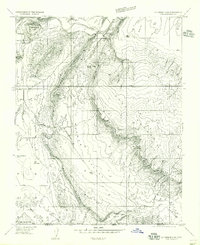 1954 La Verkin 3 SW1956 Print · USGSThe Utah-Arizona borderlands south of the Virgin River are captured here in the mid-1950s, showing a landscape of pioneer history and early aviation. Researchers can locate the Fort Pearce (Ruins) and the CAA Intermediate Field alongside prominent landmarks like Shinob Kibe.
 - 1954 Map of Hurricane, 1959 Print
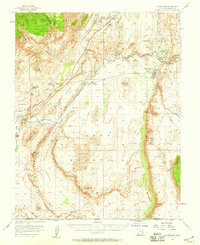 1954 Hurricane1959 Print · USGSSouthern Utah's desert frontier comes alive in the mid-1950s, showing the early infrastructure of Hurricane and La Verkin. Genealogists and historians can trace the Fort Pierce (Ruins), find the Vanderbilt Mine, and locate family holdings like Bastion Ranch.2 unique versions available
 - 1958 Map of Cedar City
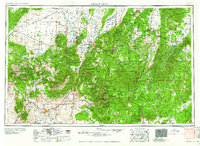 1958 Cedar City1958 Print · USGSSouthwestern Utah in the late fifties was a land of mineral extraction and monumental landscapes. Genealogists and historians can trace pioneer-era settlements like Grafton and Parowan alongside industrial sites such as the Silver Reef Mine.2 unique versions available
 - 1962 Map of Cedar City
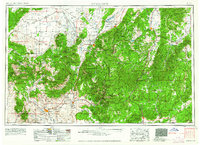 1962 Cedar City1962 Print · USGSSouthern Utah in the early sixties showcases a landscape of dramatic plateaus and historic mining outposts. Trace the early settlement patterns at the Silver Reef (ruins), locate the Iron Mine near the Hurricane Cliffs, or find the Fort Harmony Monument.
 - 1980 Map of St. George, 1981 Print
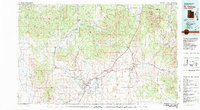 1980 St. George1981 Print · USGSThe St. George region underwent significant expansion in the early eighties as ranching traditions met new modern development. Researchers can trace the heritage of the Virgin River valley through sites like Grafton, the Apex Mine, and Snow Canyon State Park.2 unique versions available
 - 1986 Map of Hurricane, 1987 Print
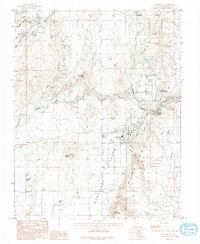 1986 Hurricane1987 Print · USGSThe Hurricane Valley in the late seventies reveals a landscape of irrigation canals and rugged geological formations. Genealogists and historians can trace the early footprints of Hurricane, La Verkin, and Leeds, while locating landmarks like Pah Tempe Springs and Mollies Nipple.
 - 1986 Map of The Divide, 1987 Print
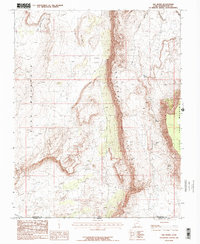 1986 The Divide1987 Print · USGSWashington County, Utah, is seen here in the mid-1980s as a high-desert landscape of dramatic escarpments and hidden water sources. Researchers can locate remote mining activity like the Mine Shaft or trace old water infrastructure at Gould Reservoir and Swett Spring.
 - 1986 Map of Washington Dome, 1987 Print
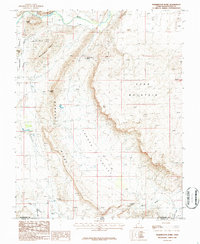 1986 Washington Dome1987 Print · USGSSouthern Utah in the mid-eighties reveals a landscape of massive geological formations and historical frontier sites. Researchers can locate the Fort Pearce (Site) and trace the route of the Washington Canal past Shinob Kibe and Washington Dome.
 - 1986 Map of Harrisburg Junction, 1987 Print
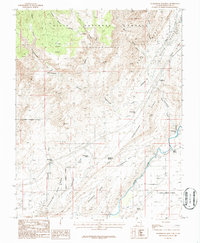 1986 Harrisburg Junction1987 Print · USGSSouthwestern Utah in the mid-eighties shows a rugged landscape of high plateaus and river valleys before modern suburban expansion. Genealogists and local historians can trace the Harrisburg (Site) near White Reef or locate old water sources like Berry Springs and Cottonwood Spring.
 - 2011 Map of Hurricane, 2011 Print
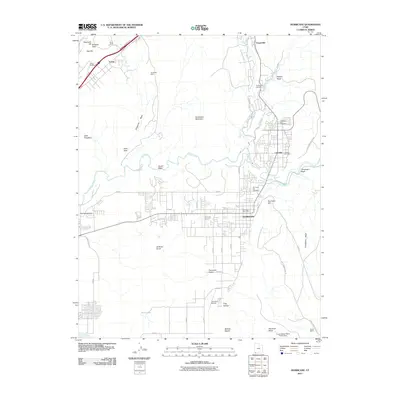 2011 Hurricane2011 Print · USGSSettlement and irrigation define this part of Washington County in the early twenty-first century. Researchers can trace land use from the Hurricane Fields to historical landmarks like the Vanderbilt Mine, Leeds Cemetery, and the Honeymoon Trail Rd.
 - 2011 Map of Washington Dome, 2011 Print
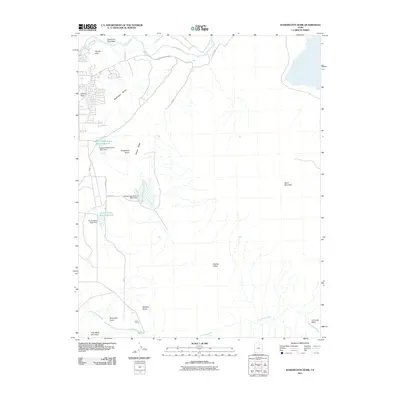 2011 Washington Dome2011 Print · USGSSouthern Utah's desert landscape was becoming increasingly managed by the early twenty-first century as new infrastructure met the ancient terrain. Researchers can trace land use at Herd House, find local landmarks like Shinob Kibe, and locate debris basins at Stucki Debris Basin Reservoir.
 - 2011 Map of Harrisburg Junction, 2011 Print
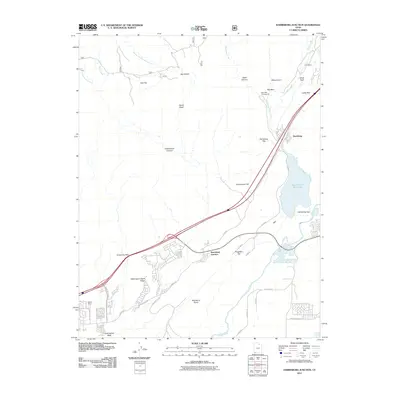 2011 Harrisburg Junction2011 Print · USGSSouthwestern Utah's geologic and ranching landscape is captured here in the early twenty-first century as the desert transitions toward the Virgin River. Researchers can locate the historic Cobb Mine, trace the extent of Bastion Ranch, or explore the terrain of Harrisburg Dome.
 - 2011 Map of The Divide, 2011 Print
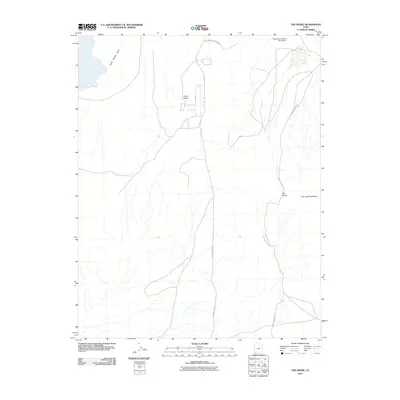 2011 The Divide2011 Print · USGSWashington County at the start of the 2010s reveals a landscape defined by ranching routes and water management. You can trace historical paths like the Honeymoon Trail Rd and Arizona Strip Rd near Grass Valley.
 - 2014 Map of Washington Dome, 2014 Print
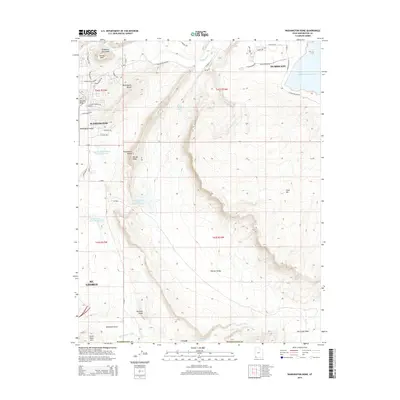 2014 Washington Dome2014 Print · USGSThe growing communities of southwestern Utah are captured here in the early twenty-first century as they expand into the surrounding desert. Trace the topography of Washington Dome, the waters of Sand Hollow Reservoir, and the distinctive peak of Shinob Kibe.
 - 2014 Map of The Divide, 2014 Print
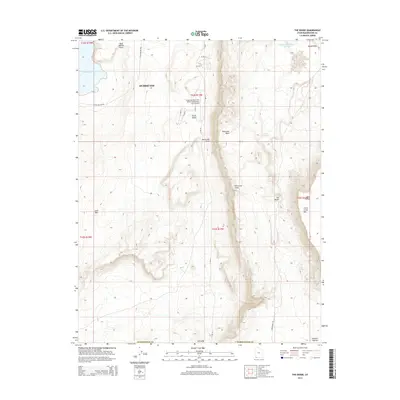 2014 The Divide2014 Print · USGSWashington County, Utah, is defined here by the massive escarpment of the Hurricane Cliffs and the waters of Sand Hollow Reservoir in the early 2010s. Trace the historic Honeymoon Trail and locate the specialized Grassy Meadows/Sky Ranch Landowners Assn Airport.
 - 2014 Map of Hurricane, 2014 Print
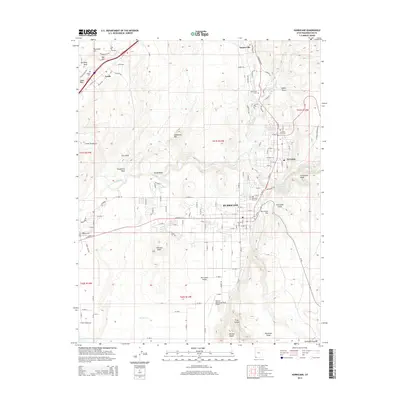 2014 Hurricane2014 Print · USGSThe growing communities of Hurricane and LaVerkin are captured here in the early twenty-first century amidst their signature red rock geography. Researchers can find several local burial sites, including Toquerville Cem and Leeds Cem, and trace the path of the Virgin River.
 - 2014 Map of Harrisburg Junction, 2014 Print
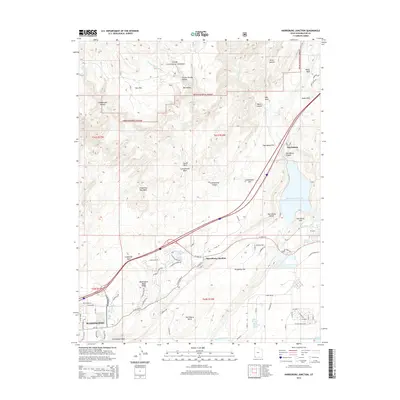 2014 Harrisburg Junction2014 Print · USGSThe growing communities of Washington and Harrisburg are captured here in the early twenty-first century as the region's infrastructure expands. Genealogists and historians can trace the geography around Harrisburg, Berry Spring, and the prominent White Reef.
 - 2017 Map of Harrisburg Junction, 2017 Print
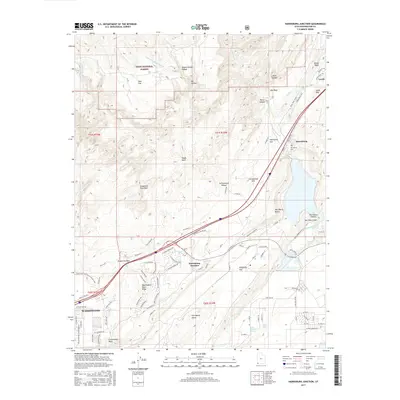 2017 Harrisburg Junction2017 Print · USGSThe desert landscape between the southern boundary of the Dixie National Forest and the Virgin River valley is shown here in the late twenty-tens. Researchers can trace local history through sites like the Harrisburg Cem or explore the geologic formations of Harrisburg Dome and Leeds Reef.
 - 2017 Map of The Divide, 2017 Print
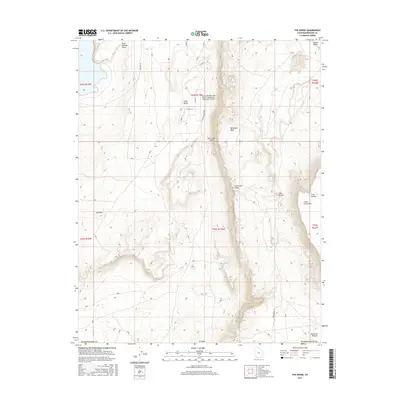 2017 The Divide2017 Print · USGSWashington County, Utah, at the edge of the Arizona Strip in the late 2010s reveals a landscape of massive geologic shifts. Researchers can trace the rugged Hurricane Fault and locate local landmarks like the Gould Reservoir and Honeymoon Trl.
Showing maps 1-25 of 35
Top cities near Hurricane
- St. George historical maps
- Washington historical maps
- La Verkin historical maps
- Toquerville historical maps
- Apple Valley historical maps
- Leeds historical maps
See more
Top neighborhoods of Hurricane
Frequently asked questions
- What are the different types of historical maps available for Hurricane?
- What is the oldest map of Hurricane?
- Where can I purchase historical maps of Hurricane for my home or office?
- Where can I download high-res historical maps of Hurricane?
- Are there historical topographic maps available for Hurricane?
- Is there historical aerial imagery available for Hurricane?
- Where are historical maps of Hurricane sourced from?