1900s (20th Century) Maps of Stowe, Vermont
Explore 28 historic maps of Stowe from the 1900s (20th Century). These maps offer a rare glimpse into what life looked like during the 1900s — showing old roads, neighborhoods, homes, and landmarks that have changed or disappeared over time.
Whether you're researching your family's past, planning a metal detecting trip, or studying how Stowe's landscape evolved across the 1900s, these high-resolution maps are a powerful tool for exploring the history of this region.
- Focus on a specific era: All maps on this page are from the 1900s, giving you a focused view of this time period.
- See what’s changed: Compare century-old streets, trails, and buildings to today's modern landscape using overlays and satellite layers.
- Research with precision: Use these maps for genealogy, historical research, land use analysis, or educational projects.
- View, download, or print: Maps are fully viewable online in high resolution, and can be downloaded or printed for your own records.
Start exploring Stowe's history through authentic maps from the 1900s. This is your window into the past.
Stowe, VT maps
(28)- 1919 Map of Montpelier, 1958 Print
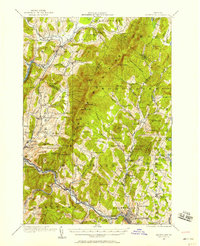 1919 Montpelier1958 Print · USGSMontpelier and the Winooski River valley are shown here just after the Great War, when rail lines and early highways connected a landscape of small hill farms and mines. Genealogists can locate dozens of rural landmarks, including the Talc Mine, the Sodom PO, and the Green Mountain Cemetery.2 unique versions available
 - 1921 Map of Richmond
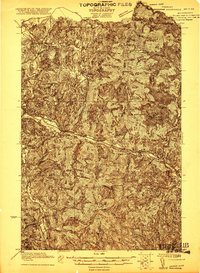 1921 Richmond1921 Print · USGSThe Green Mountains in the early twenties were defined by the deep valleys of the Winooski River and the high peaks of the northern range. Genealogists and hikers can trace the original footprints of Underhill Center, the Duxbury School, and the Central Vermont rail line.
 - 1921 Map of Montpelier
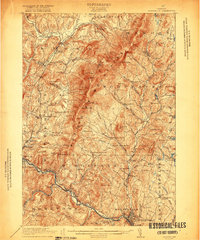 1921 Montpelier1921 Print · USGSMontpelier and the Winooski valley are seen here in the early twenties, framed by the peaks of the Worcester Mountains. Genealogists and local historians can locate dozens of district schools and unique landmarks like the Talc Mine, Sodom PO, and the Central Vermont Ry.6 unique versions available
 - 1924 Map of Camels Hump
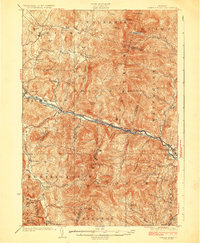 1924 Camels Hump1924 Print · USGSThe Green Mountains in the early 1920s are centered on the iconic peak of Camels Hump and the busy Winooski River corridor. Genealogists and historians can trace the foundations of local life through the State Hospital for the Insane in Waterbury, small mountain schools like Piddock School, and the path of the Central Vermont railroad.5 unique versions available
 - 1925 Map of Mount Mansfield
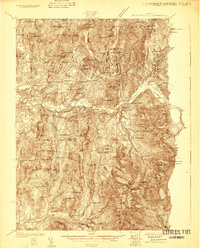 1925 Mount Mansfield1925 Print · USGSNorthern Vermont in the mid-1920s is captured here at the intersection of rail-era commerce and early mountain tourism. Genealogists can trace families through district schools like Governors Right School and landmarks like Morses Mill or Smugglers Notch.
 - 1927 Map of Mount Mansfield
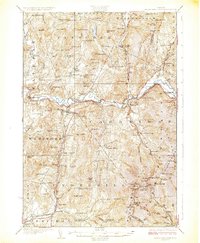 1927 Mount Mansfield1927 Print · USGSLamoille County and the Green Mountain ridge are captured here in the mid-1920s, showing the height of the valley's rail-and-river era. Genealogists can locate family homesteads near the Irish Settlement, dozens of district schools like Hooper School, and the historic Mt Mansfield Hotel.5 unique versions available
 - 1927 Map of Hyde Park
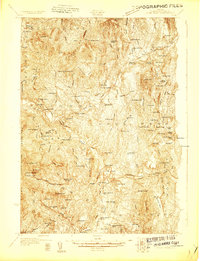 1927 Hyde Park1927 Print · USGSLamoille County was a landscape of small river towns and mountain hollows in the late twenties. Researchers can locate dozens of district schoolhouses like Wescome Sch, the local Talc Mine, and family burial grounds including Blake Cem.
 - 1930 Map of Hyde Park
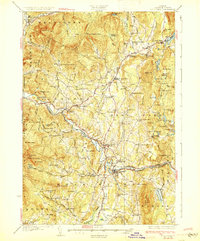 1930 Hyde Park1930 Print · USGSLamoille County in the late twenties shows a landscape of busy river towns and upland mines connected by the St Johnsbury and Lake Champlain Railroad. Trace early school districts like McKinistry Sch. or locate old operations at the Talc Mine and Upper Diggings.4 unique versions available
 - 1943 Map of Hyde Park
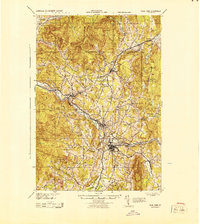 1943 Hyde Park1943 Print · USGSLamoille County during the mid-1940s shows a landscape of river-valley industry and upland hill farms. Researchers can locate dozens of country schoolhouses like Wiswell Sch and trace local mining history at the Talc Mine or the Lower Diggings.
 - 1944 Map of Montpelier
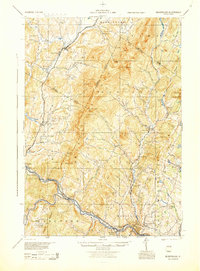 1944 Montpelier1944 Print · USGSCentral Vermont in the mid-1940s is mapped here with a focus on its mountain settlements and river valley corridors. Genealogists can trace family roots through numerous district schools like Loomis Hill Sch and the location of the Talc Mine.
 - 1944 Map of Mount Mansfield
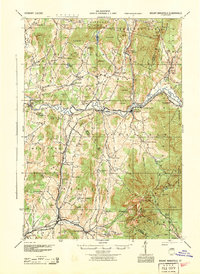 1944 Mount Mansfield1944 Print · USGSNorthern Vermont in the mid-1940s is defined here by high mountain peaks and a dense network of rural school districts. Genealogists can trace family footprints through numerous local landmarks like Irish Settlement Sch, Marses Mill, and the high-altitude Mt Mansfield Hotel.
 - 1944 Map of Camels Hump
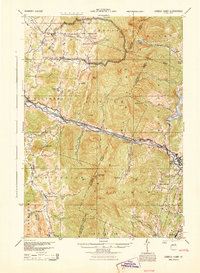 1944 Camels Hump1944 Print · USGSThe Green Mountains at the height of the war era show a landscape defined by valley settlements and military expansion. You can trace the Central Vermont rail line through Bolton or find vanished rural schoolhouses like Ricker Sch and Phillips Sch.
 - 1948 Map of Mount Mansfield, 1953 Print
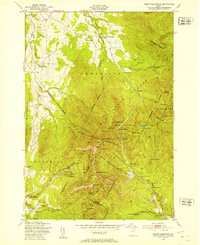 1948 Mount Mansfield1953 Print · USGSMount Mansfield and the Sterling Range appear here in the late 1940s, showcasing early Vermont ski culture and mountain hiking. Researchers can trace the original path of The Long Trail as it passes Taft Lodge, the Mount Mansfield Hotel, and the State Ski Dormitory.6 unique versions available
 - 1948 Map of Bolton Mountain, 1953 Print
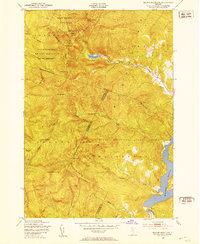 1948 Bolton Mountain1953 Print · USGSThe Green Mountains in the late 1940s served as both a recreational escape and a training ground for the military. You can trace the trails to high-altitude shelters like Taylor Lodge or locate the extensive Artillery Target Range within the Fort Ethan Allen Military Reservation.5 unique versions available
 - 1948 Map of Mount Mansfield, 1954 Print
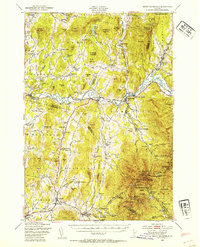 1948 Mount Mansfield1954 Print · USGSThe Green Mountains of Vermont meet the Lamoille River valley here during the post-war era, showing a mix of mountain tourism and traditional farming. Genealogists can trace family lines through the Irish Settlement and numerous rural sites like Sanderson Cem and Buck Hollow Sch.5 unique versions available
 - 1948 Map of Camels Hump, 1954 Print
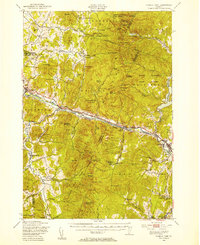 1948 Camels Hump1954 Print · USGSThe Green Mountains of the late 1940s are defined by the Winooski River corridor and the high peaks of the range. Genealogists and local historians can trace the foundations of mountain life through Old Round Ch, the Machine Gun Sch, and the rail stops of the Central Vermont line.5 unique versions available
 - 1950 Map of Lake Champlain
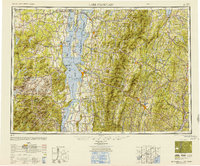 1950 Lake Champlain1950 Print · USGSThe Lake Champlain valley and its surrounding peaks are captured in detail during the late 1940s, showing the vital rail and road connections between New York and Vermont. Researchers can trace the routes of the Central Vermont Railway or locate old industrial centers like Mineville and Witherbee.2 unique versions available
 - 1953 Map of Hyde Park, 1955 Print
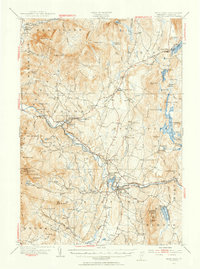 1953 Hyde Park1955 Print · USGSLamoille County in the early fifties shows a mountain landscape shaped by the St Johnsbury and Lake Champlain Railroad and the timber-and-talc economy. Researchers can locate local landmarks like the State Teachers College, the Talc Mine, and family burial grounds like La Porte Cem.4 unique versions available
 - 1958 Map of Lake Champlain
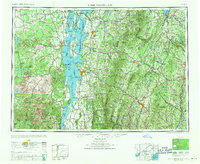 1958 Lake Champlain1958 Print · USGSThe Champlain Valley and surrounding high peaks are captured here in the late fifties, showcasing the cross-border region from the Adirondacks to the Green Mountains. Researchers can trace historic rail routes like the Rutland Railway or locate old valley settlements such as Keeseville and Vergennes.2 unique versions available
 - 1962 Map of Lake Champlain, 1975 Print
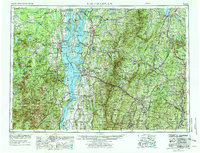 1962 Lake Champlain1975 Print · USGSLake Champlain and the high peaks of the Adirondacks and Green Mountains are captured here during the mid-twentieth century. Researchers can trace the industrial legacy of the Lyon Mountain Mine and the rail corridors of the Central Vermont RR and Delaware & Hudson RR.3 unique versions available
 - 1968 Map of Mount Worcester, 1972 Print
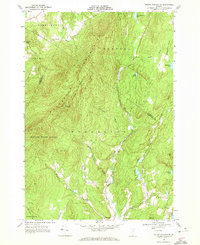 1968 Mount Worcester1972 Print · USGSThe Worcester Mountains in the late 1960s remain a formidable landscape of protected forest and high-country brooks. Genealogists and hikers can trace the paths around Hampshire Hill, find the remote Russ Pond, or locate the landmark Moss Glen Falls.2 unique versions available
 - 1968 Map of Stowe, 1972 Print
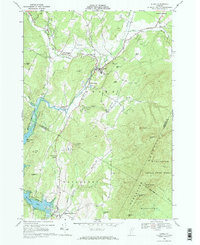 1968 Stowe1972 Print · USGSLamoille County is shown in the late 1960s as a region of mountain valleys and riverside villages. Genealogists and local historians can trace family locations near Moscow, the Riverbank Cem, and the historic Covered Bridge along Gold Brook.
 - 1986 Map of Sterling Mountain, 1987 Print
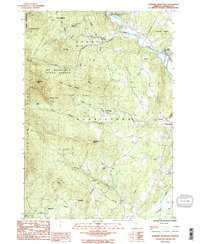 1986 Sterling Mountain1987 Print · USGSThe northern Green Mountains come into sharp focus in the mid-1980s as forestry and small valley settlements intersect. Researchers can trace the quiet corners of Mt Mansfield State Forest and locate specific sites like West Settlement, Mud City, and a historic Covered Br.2 unique versions available
 - 1988 Map of Montpelier
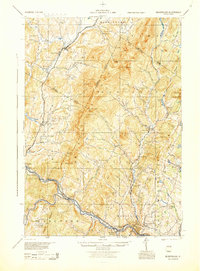 1988 Montpelier1988 Print · USGSThe area surrounding Vermont’s capital city appears here during the early 1940s, showing the vital rail-and-river network. Genealogists can trace family names across a dozen district schools and rural sites like Middlesex Center and the Talc Mine.2 unique versions available
 - 1989 Map of Mount Mansfield
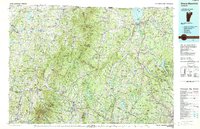 1989 Mount Mansfield1989 Print · USGSNorthern Vermont in the late eighties remains a landscape of deep forests and isolated mountain villages. Genealogists and hikers can trace the old rail lines of the Canadian Pacific RR or locate family sites near Lake Willoughby and Brownington Village.
Showing maps 1-25 of 28
Top cities near Stowe
- Montpelier historical maps
- Waterbury historical maps
- Fairfax historical maps
- Richmond historical maps
- Cambridge Village historical maps
- Johnson historical maps
See more
Top neighborhoods of Stowe
- Lower Village historical maps
- Moscow historical maps
- Stowe Fork historical maps
- West Branch historical maps
- Stowe Village Historic District historical maps
- Moody Farm Properties historical maps
Frequently asked questions
- What are the different types of historical maps available for Stowe?
- What is the oldest map of Stowe?
- Where can I purchase historical maps of Stowe for my home or office?
- Where can I download high-res historical maps of Stowe?
- Are there historical topographic maps available for Stowe?
- Is there historical aerial imagery available for Stowe?
- Where are historical maps of Stowe sourced from?