Old Maps of Lind, Wisconsin for Hiking & Exploration
Hike through history with 32 historic maps of Lind. Explore old trails, ghost towns, and forgotten backroads — perfect for outdoor adventurers and local explorers.
- Rediscover forgotten places: Map out old mining camps, roads, and footpaths that no longer exist on modern maps.
- Layer with modern tools: Combine with LiDAR or satellite views to plan hikes through historical terrain.
- Made for exploration: Popular among hikers, overlanders, and local history lovers.
Use these maps to find adventure and explore the hidden past of Lind.
Lind, WI maps
(32)- 1955 Map of Green Bay, 1968 Print
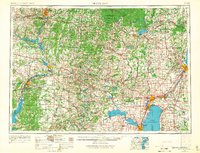 1955 Green Bay1968 Print · USGSCentral and Eastern Wisconsin are captured here in the mid-fifties, showing the industrial growth of the Fox Valley and Wisconsin River corridors. Genealogists and historians can trace rail lines like the Green Bay and Western through settlements like Weyauwega, Clintonville, and Pulaski.2 unique versions available
 - 1956 Map of Weyauwega, 1958 Print
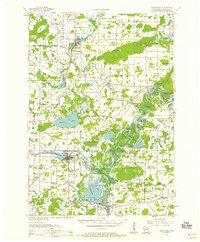 1956 Weyauwega1958 Print · USGSCentral Waupaca County is mapped here in the mid-fifties, showing a landscape defined by the winding Wolf River and a thriving network of rural townships. Genealogists can trace family roots at St Patricks Cem, Baldwins Mill Sch, and the State Sanatorium.
 - 1957 Map of Waupaca, 1959 Print
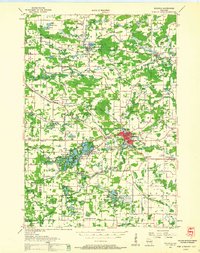 1957 Waupaca1959 Print · USGSWaupaca and the famous Chain O' Lakes are captured in the late fifties, showing a landscape of small lakeside settlements and rural schoolhouses. Researchers can find Waupaca Boys Camp, trace the old Green Bay and Western line, or locate King and Rural.2 unique versions available
 - 1961 Map of Poy Sippi, 1963 Print
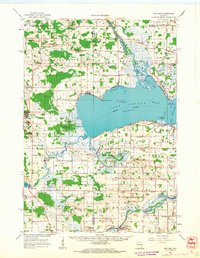 1961 Poy Sippi1963 Print · USGSThe Lake Poygan region of Wisconsin comes alive in this early 1960s survey, showing the intricate river-and-marsh economy before modern expansion. Researchers can trace family sites at Fountain Valley Sch & Ch, the Welsh Cem, or follow the banks of the Poy Sippi River through historic lakefront settlements like Tustin.2 unique versions available
 - 1961 Map of Redgranite, 1963 Print
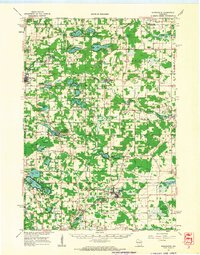 1961 Redgranite1963 Print · USGSWaushara County’s kettle lake country is captured here in the early sixties, showing a landscape shaped by stone quarries and summer camps. Researchers can trace the Chicago and North Western rail line and find local landmarks like St Marks Cem and the Wild Rose State Fish Hatchery.2 unique versions available
 - 1961 Map of Saxeville, 1966 Print
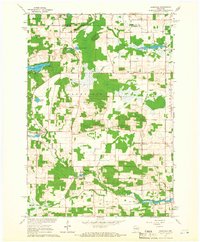 1961 Saxeville1966 Print · USGSThe rural town of Saxeville and the surrounding Waushara County countryside are captured here in the early sixties. Genealogists and researchers can trace family roots at Cedar Cem or Hilltop Cem, and locate landmarks like the Wild Rose Sch and Emaus Ch.2 unique versions available
 - 1961 Map of Poy Sippi, 1968 Print
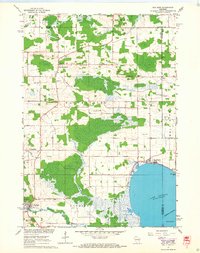 1961 Poy Sippi1968 Print · USGSThe marshlands and crossroads of Waushara County are captured here in the early 1960s as they meet the shores of Lake Poygan. Researchers can locate historic rural centers like Poy Sippi and Tustin, alongside parish sites like Emmaus Ch and St Johns Sch.2 unique versions available
 - 1969 Map of Weyauwega, 1971 Print
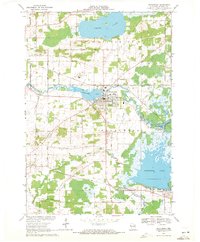 1969 Weyauwega1971 Print · USGSWeyauwega and the surrounding Waupaca County countryside are captured here in the late sixties as the river-and-rail economy remained central to the region. Researchers can trace family-named sites like Butternut Ridge, find local landmarks like the Waupaca County Fairground, and locate cemeteries including Oakwood Cemetery and Hobart Cem.2 unique versions available
 - 1969 Map of Waupaca, 1972 Print
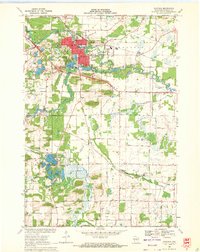 1969 Waupaca1972 Print · USGSWaupaca and its surrounding townships are captured in the late sixties as the area balanced its river-based industry with growing recreational lakefronts. Genealogists and local researchers can locate St Mary Magdalene Cem, the settlement of Little Hope, and the path of the Soo Line railroad.
 - 1984 Map of Appleton, 1985 Print
 1984 Appleton1985 Print · USGSThe Fox River Valley in the mid-eighties shows a bustling corridor of industry and nature, from the shores of Lake Winnebago to the Oneida Indian Reservation. Trace local heritage through landmarks like Riverside Cem or explore the wetlands of Poygan Marsh State Wildlife Area.2 unique versions available
 - 1985 Map of Wisconsin Rapids
 1985 Wisconsin Rapids1985 Print · USGSCentral Wisconsin in the mid-eighties shows a landscape of engineered waterways and active rail corridors between Wisconsin Rapids and Waupaca. Genealogists and researchers can trace local landmarks like Roche A Cri State Park, the SOO LINE, and small settlements like Coddington or Rudolph.2 unique versions available
 - 1992 Map of Waupaca, 1995 Print
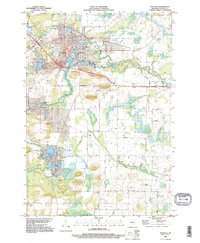 1992 Waupaca1995 Print · USGSWaupaca and its surrounding glacial lake country are captured here during the early nineties, showing the city's relationship with the local river systems. Researchers can trace family roots at Lakeside Cem or locate old community centers like Little Hope and Lind Center.
 - 2010 Map of Saxeville, 2010 Print
 2010 Saxeville2010 Print · USGSIn the early 2000s, this area of Waushara County remained a landscape of quiet rural villages and interconnected waterways. Local historians can trace the foundations of local industry and community life through sites like Clarks Mill Dam, Saxeville, and Hilltop Cemetery.
 - 2010 Map of Waupaca, 2010 Print
 2010 Waupaca2010 Print · USGSWaupaca and its surrounding lake country are shown here in the late 2000s, centered on the historic river town and its industrial dams. Genealogists and local historians can trace legacy sites like Saint Mary Magdalene Cemetery and the settlement at Little Hope.
 - 2010 Map of Weyauwega, 2010 Print
 2010 Weyauwega2010 Print · USGSWaupaca County's river-and-lake landscape is recorded here in the early twenty-first century, centered on the community of Weyauwega. Genealogists and local historians can trace several burial sites like Oakwood Cemetery and family landmarks such as Evanswood Stock Farm and Gills Landing.
 - 2010 Map of Poy Sippi, 2010 Print
 2010 Poy Sippi2010 Print · USGSThe rural landscapes and lakefront settlements of eastern Wisconsin are captured here in the early twenty-first century. Genealogists and local historians can trace the foundations of Poy Sippi and Tustin while locating family sites at Concordia Cemetery or the Poy Sippi 1870C38 Dam.
 - 2013 Map of Poy Sippi, 2013 Print
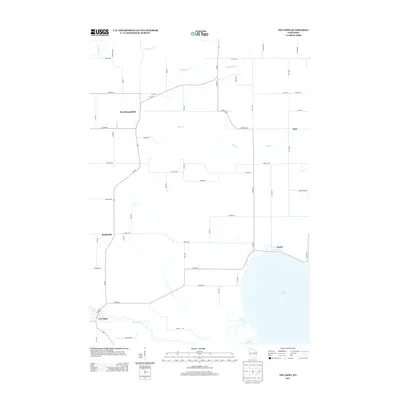 2013 Poy Sippi2013 Print · USGSWisconsin's lakeside agricultural corridor comes into focus here in the early twenty-first century. Genealogists and local historians can trace the rural layouts of Poy Sippi, Tustin, and West Bloomfield alongside the shoreline of Lake Poygan.
 - 2013 Map of Weyauwega, 2013 Print
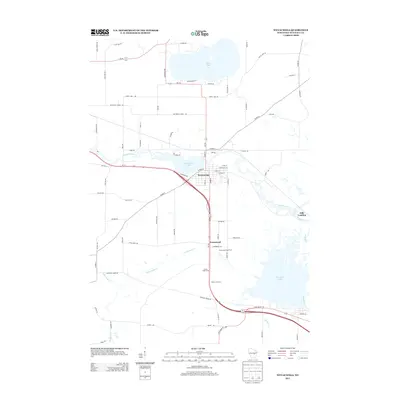 2013 Weyauwega2013 Print · USGSIn the early twenty-first century, this Waupaca County region remains defined by its storied rivers and named family farms. Genealogists and local historians can trace the geography of rural life through sites like Evanswood Stock Farm, Gills Landing, and White Lake.
 - 2013 Map of Saxeville, 2013 Print
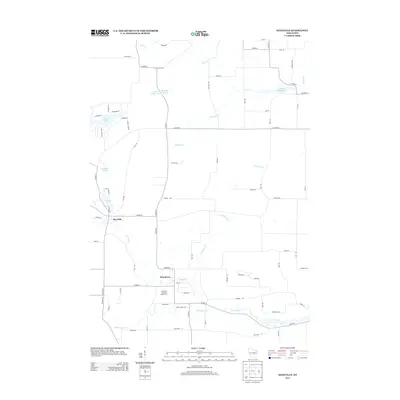 2013 Saxeville2013 Print · USGSSaxeville and Pine River appear here in the early twenty-first century, showing a landscape shaped by glacial lakes and fertile dairy lands. Genealogists can locate family landmarks like Sorenson Hillview Jersey Farm or trace the banks of Clarks Millpond 25 and Long Lake.
 - 2013 Map of Waupaca, 2013 Print
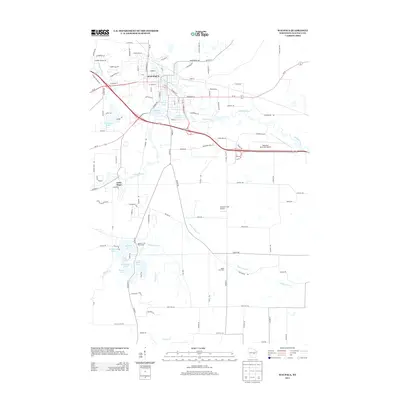 2013 Waupaca2013 Print · USGSWaupaca and the surrounding lake country of Central Wisconsin are captured here in the early twenty-first century. Researchers can trace the development of local waterways and the distribution of family-named landmarks like Maple Lind Farm or Bailey Lake.
 - 2015 Map of Saxeville, 2015 Print
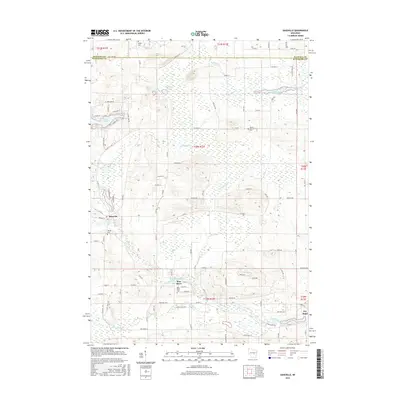 2015 Saxeville2015 Print · USGSWaushara County at the start of the 2010s reveals a landscape deeply connected to its waterways and small village centers. Genealogists and local historians can trace family roots through Hilltop Cemetery and Cedar Cemetery or locate the historic sites of Saxeville and Pine River.
 - 2015 Map of Waupaca, 2015 Print
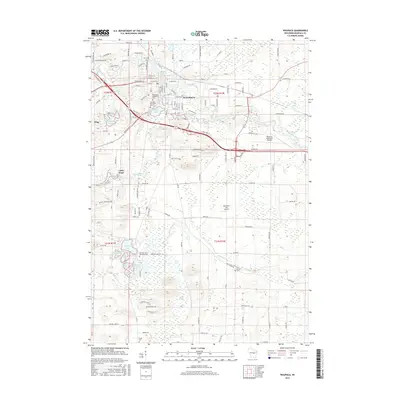 2015 Waupaca2015 Print · USGSWaupaca and its surrounding lake country are shown in high detail during the mid-2010s, capturing the area's mix of municipal growth and aquatic landscapes. Trace local history through numerous burial sites like Lind Center Cem or explore the waterways of the Crystal River and Mirror Lake.
 - 2016 Map of Poy Sippi, 2016 Print
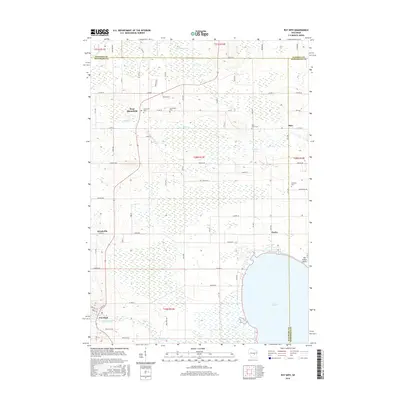 2016 Poy Sippi2016 Print · USGSThe marshlands and small villages of eastern Waushara County are captured here in the mid-2010s, bordering the expansive Lake Poygan. Genealogists can trace local landmarks like Concordia Cem or the settlements of West Bloomfield and Poy Sippi.
 - 2016 Map of Weyauwega, 2016 Print
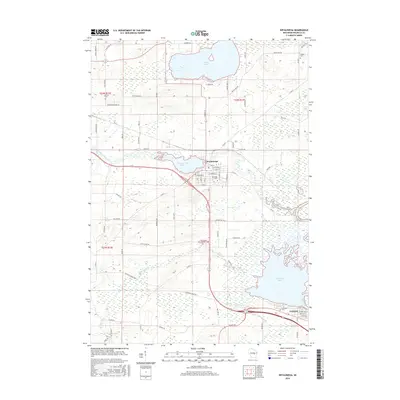 2016 Weyauwega2016 Print · USGSCentral Wisconsin wetlands and river towns are documented here in the mid-2010s. Genealogists and historians can locate legacy sites like Farley Cem or trace the old Railroad Grade Rd through the Walla Walla Cr marshes.
 - 2018 Map of Weyauwega, 2018 Print
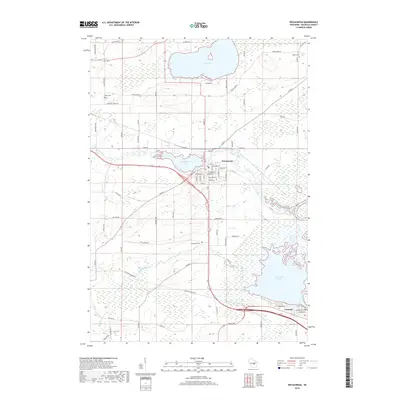 2018 Weyauwega2018 Print · USGSWeyauwega and the surrounding lakelands are shown in great detail during the late twenty-tens. Researchers can trace rural cemetery sites like Oakwood Cem and Farley Cem or explore the water-connected settlements of Weyauwega and Fremont.
Showing maps 1-25 of 32
Top cities near Lind
- Waupaca historical maps
- Wautoma historical maps
- Redgranite historical maps
- Weyauwega historical maps
- Manawa historical maps
- Iola historical maps
See more
Frequently asked questions
- What are the different types of historical maps available for Lind?
- What is the oldest map of Lind?
- Where can I purchase historical maps of Lind for my home or office?
- Where can I download high-res historical maps of Lind?
- Are there historical topographic maps available for Lind?
- Is there historical aerial imagery available for Lind?
- Where are historical maps of Lind sourced from?