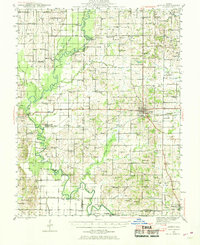
1943 Map of Albion
USGS Topo · Published 1969About this map
The Little Wabash River defines the western reaches of this mid-century landscape, where a complex system of oxbows and sloughs like Ash Slough and White Oak Slough suggest the dynamic nature of the river valley. In the center of the sheet, Albion serves as a primary hub for the Southern railroad line, which connects the county seat to smaller agricultural settlements such as Bone Gap and Golden Gate.
Find a feature on this map
91 named features on this map. Tap any name to fly to it.
Don’t see what you’re looking for? This feature index may not catch every label — zoom into the map to look around manually.
Map Details
Editions of this 1943 Albion Map
This is the sole edition of this map. No revisions or reprints were ever made.
Other maps of this area
1903 · New Harmony
USGS Topo · 1:62,500
1903 · Patoka
USGS Topo · 1:125,000
1904 · Mount Carmel
USGS Topo · 1:62,500
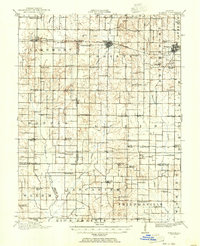
1911 · Sumner
USGS Topo · 1:62,500
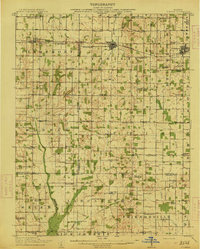
1913 · Sumner
USGS Topo · 1:62,500
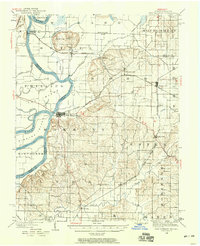
1938 · New Harmony
USGS Topo · 1:62,500
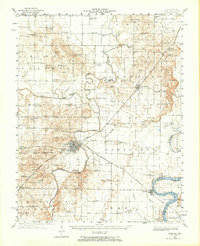
1940 · Carmi
USGS Topo · 1:62,500
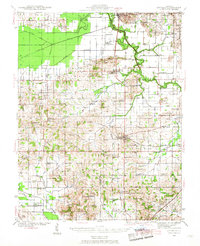
1941 · Enfield
USGS Topo · 1:62,500
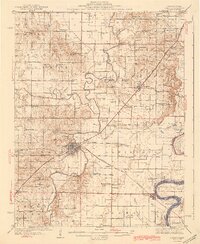
1943 · Carmi
USGS Topo · 1:62,500
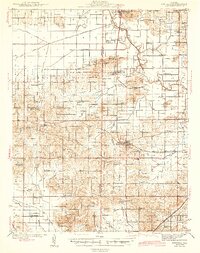
1944 · Enfield
USGS Topo · 1:62,500