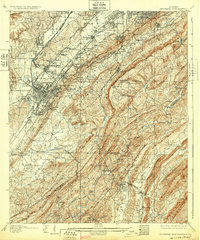
1907 Map of Bessemer Iron District
USGS Topo · Published 1932About this map
Birmingham and Bessemer anchor this industrial landscape during the height of Alabama's early 20th-century mining and steel boom. The complex network of the Birmingham Southern RR, Southern Ry, and the Birmingham and Bessemer Electric RR illustrates the heavy infrastructure required to move coal and iron between the ridges. Settlement clusters like Dolomite, Wylam, and Brighton are intertwined with the valley’s geology, where names like Red Mountain and Sand Ridge define the local topography.
Find a feature on this map
133 named features on this map. Tap any name to fly to it.
Don’t see what you’re looking for? This feature index may not catch every label — zoom into the map to look around manually.
Map Details
Editions of this 1907 Bessemer Iron District Map
4 editions found
Other maps of this area
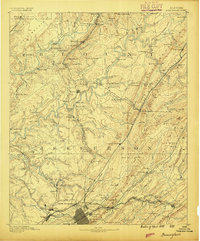
1889 · Birmingham
USGS Topo · 1:125,000
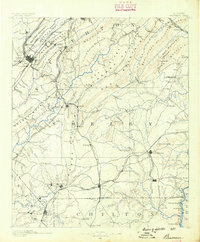
1890 · Bessemer
USGS Topo · 1:125,000
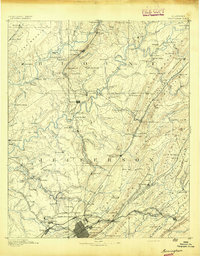
1892 · Birmingham
USGS Topo · 1:125,000
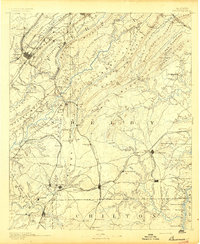
1892 · Bessemer
USGS Topo · 1:125,000
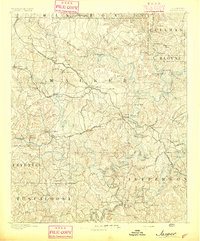
1893 · Jasper
USGS Topo · 1:125,000
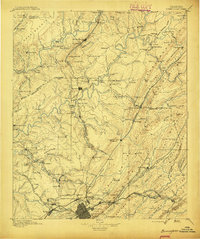
1895 · Birmingham
USGS Topo · 1:125,000
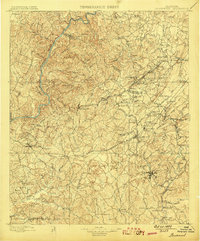
1899 · Brookwood
USGS Topo · 1:125,000
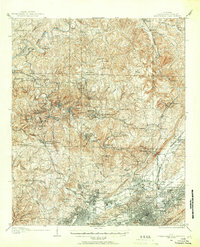
1904 · Birmingham Coal District
USGS Topo · 1:62,500
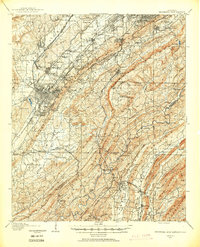
1905 · Bessemer Iron District
USGS Topo · 1:62,500
1905 · Leeds
USGS Topo · 1:62,500