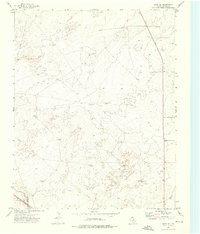
1973 Map of Bolin NE
USGS Topo · Published 1976About this map
Rita Blanca Creek winds through the southwestern corner of this landscape, a vital water source in the high plains of the Texas Panhandle during the early 1970s. The region is defined by an extensive network of named water wells, which supported ranching and localized habitation across the sandy terrain. Features like Two Story Well, Little Duck Well, and Pipetower Well denote specific landmarks that served as focal points for rural activity. The industrial footprint of the era is evidenced by the presence of a pipeline and the steel rails of the Fort Worth and Denver railroad, which provided the primary transportation artery for the cattle and goods of Dallam County. Transportation routes like U.S. 385 and Texas 296 intersect the territory, connecting these remote outposts to larger regional hubs.
Find a feature on this map
26 named features on this map. Tap any name to fly to it.
Don’t see what you’re looking for? This feature index may not catch every label — zoom into the map to look around manually.
Map Details
Editions of this 1973 Bolin NE Map
This is the sole edition of this map. No revisions or reprints were ever made.
Other maps of this area
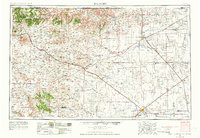
1954 · Dalhart
USGS Topo · 1:250,000
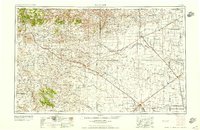
1958 · Dalhart
USGS Topo · 1:250,000
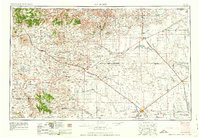
1962 · Dalhart
USGS Topo · 1:250,000
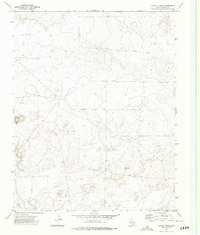
1973 · Tovrea Ranch
USGS Topo · 1:24,000
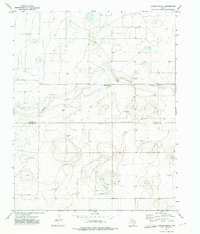
1973 · Canyon School
USGS Topo · 1:24,000
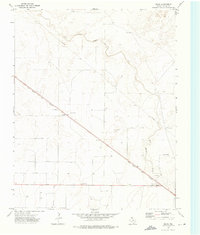
1973 · Bolin
USGS Topo · 1:24,000
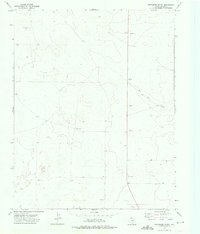
1973 · Pritchard Ranch
USGS Topo · 1:24,000
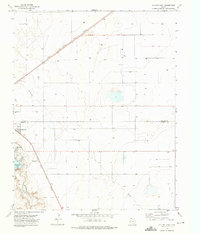
1973 · Dalhart East
USGS Topo · 1:24,000
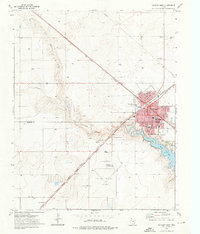
1973 · Dalhart West
USGS Topo · 1:24,000
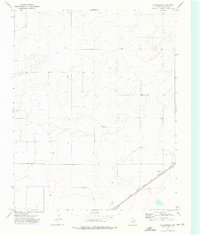
1973 · Chamberlin
USGS Topo · 1:24,000