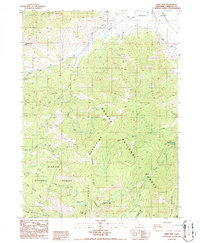
1986 Map of China Mtn
USGS Topo · Published 1986About this map
China Mountain and the surrounding high country of the Scott Mountains anchor this 1980s landscape, where the administrative lines of the Shasta and Klamath National Forests converge. The terrain is defined by its hydrology, with the South Fork Willow Creek and West Fork Parks Creek draining the steep slopes. High-elevation water bodies like Crater Lake and West Park Lakes are prominent, while historical land use is signaled by a lone Grave near Willow Creek and scattered mining activity. Industrial history is evident through numerous prospects and the Dewey Mine, alongside evidence of early resource management like the Ditch in the northern valley. More isolated human presence appears at Houston Cabin and the destination at Stewart Springs in the eastern reach of the quadrangle.
Find a feature on this map
31 named features on this map. Tap any name to fly to it.
Don’t see what you’re looking for? This feature index may not catch every label — zoom into the map to look around manually.
Map Details
Editions of this 1986 China Mtn Map
2 editions found
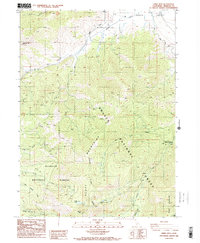
Other maps of this area
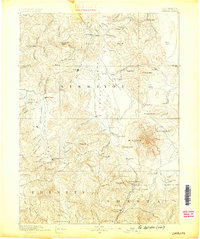
1886 · Shasta
USGS Topo · 1:250,000
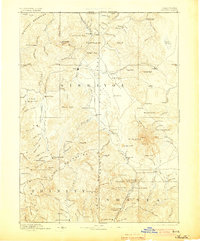
1894 · Shasta
USGS Topo · 1:250,000
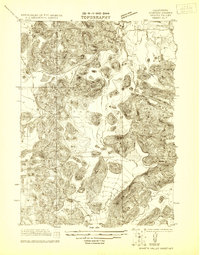
1921 · Shasta Valley Sheet No 7
USGS Topo · 1:24,000
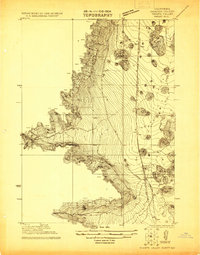
1921 · Shasta Valley Sheet No 1
USGS Topo · 1:24,000
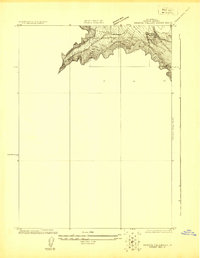
1922 · Shasta Valley Sheet No 1 S
USGS Topo · 1:24,000
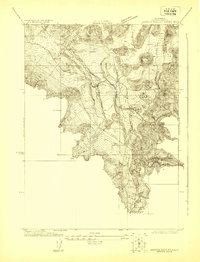
1922 · Shasta Valley Sheet No 8
USGS Topo · 1:24,000
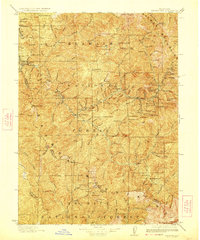
1923 · Sawyers Bar
USGS Topo · 1:125,000
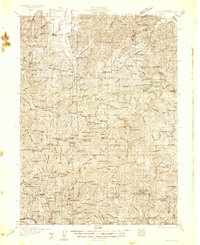
1931 · Etna
USGS Topo · 1:96,000
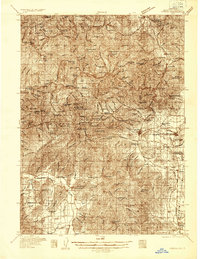
1932 · Yreka
USGS Topo · 1:96,000
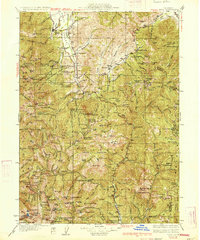
1934 · Etna
USGS Topo · 1:125,000