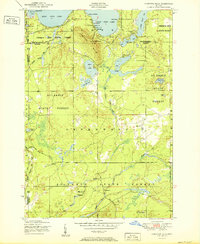
1951 Map of Comstock Hills
USGS Topo · Published 1951About this map
The Comstock Hills area of Northern Michigan is defined by its deep integration into the state forest system during the early 1950s. This landscape, dominated by the Au Sable State Forest and Presque Isle State Forest, exhibits a post-war shift toward seasonal recreation and tourism. Clusters of specialized lodging around East Twin Lake and West Twin Lake, such as Birdhaven Resort, Trowbridges Resort, and Murrays Cabins, signal the transition from timber extraction to a vacation-based economy.
Find a feature on this map
45 named features on this map. Tap any name to fly to it.
Don’t see what you’re looking for? This feature index may not catch every label — zoom into the map to look around manually.
Map Details
Editions of this 1951 Comstock Hills Map
2 editions found
Other maps of this area
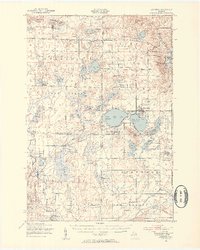
1949 · Lewiston
USGS Topo · 1:62,500
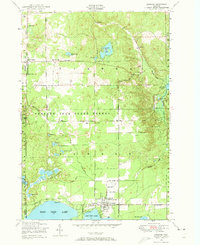
1950 · Lewiston
USGS Topo · 1:24,000
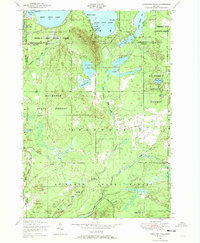
1950 · Comstock Hills
USGS Topo · 1:24,000
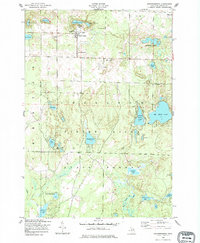
1950 · Johannesburg
USGS Topo · 1:24,000
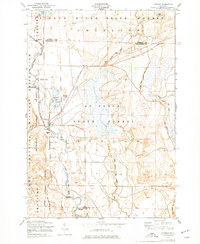
1950 · Lovells
USGS Topo · 1:24,000
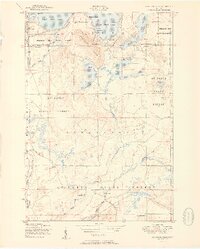
1951 · Comstock Hills
USGS Topo · 1:24,000
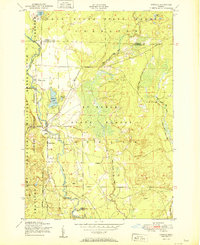
1951 · Lovells
USGS Topo · 1:24,000
1951 · Johannesburg
USGS Topo · 1:24,000
1951 · Lewiston
USGS Topo · 1:24,000
1954 · Traverse City
USGS Topo · 1:250,000