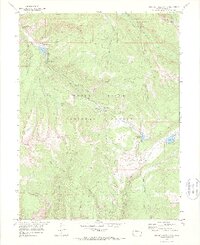
1970 Map of Crooked Creek Pass
USGS Topo · Published 1988About this map
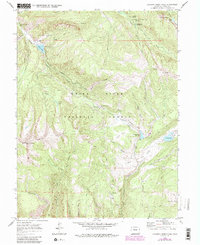
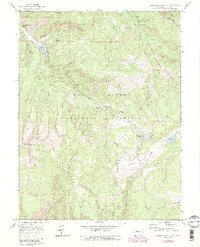
White River National Forest defines this high-altitude landscape in the Colorado mountains as documented in the late 1960s. The area is characterized by significant topographic shifts between peaks like Red Table Mountain and deep drainage basins including Brush Creek and Lime Creek. High-elevation water management is evident at Crooked Creek Reservoir, while the presence of Fulford Cave and its nearby Fulford Cave Campground suggests a long-standing history of geologic exploration and seasonal recreation. Transportation through this terrain relied on a network of specialized paths, such as the Ironedge Trail and Charles Trail, which provided access to remote features like Nolan Lake and Leeman Lakes. The map captures the specialized infrastructure of the U.S. Forest Service at the time, marking isolated outposts like the Corral and various developed springs like Soap Spring and Caliente Spring.
Find a feature on this map
50 named features on this map. Tap any name to fly to it.
Don’t see what you’re looking for? This feature index may not catch every label — zoom into the map to look around manually.
Map Details
Editions of this 1970 Crooked Creek Pass Map
6 editions found
Other maps of this area
1909 · Mount Jackson
USGS Topo · 1:125,000
1911 · Mount Jackson
USGS Topo · 1:125,000
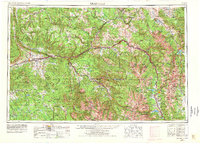
1957 · Leadville
USGS Topo · 1:250,000
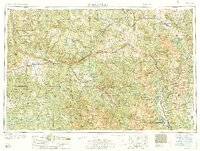
1959 · Leadville
USGS Topo · 1:250,000
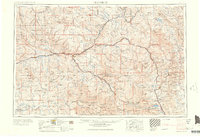
1960 · Leadville
USGS Topo · 1:250,000
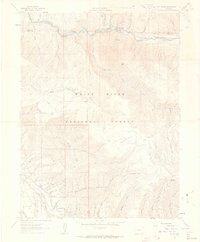
1961 · Ruedi
USGS Topo · 1:24,000
1961 · Red Creek
USGS Topo · 1:24,000
1962 · Leadville
USGS Topo · 1:250,000
1962 · Grouse Mountain
USGS Topo · 1:24,000
1962 · Fulford
USGS Topo · 1:24,000