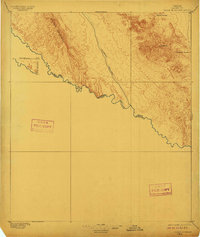
1897 Map of Eagle Mountain
USGS Topo · Published 1911About this map
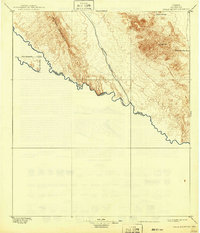
Quitman Mountains dominate the western landscape of this Trans-Pecos region, where the high desert terrain falls away toward the winding Rio Grande. This 1896 survey by W.J. Lloyd and R.U. Goode, supervised by Henry Gannett, documents a frontier environment defined by its water sources and livestock outposts. The map records the United States Mexico border following the river's deep meanders, punctuated by the isolated Hot Spring along the banks. In the interior, the presence of Phinney's Ranch and the vital Eagle Spring near the foot of Eagle Mt. highlights the precarious nature of settlement in this arid corridor. The path of the Quitman Arroyo cuts through the center of the sheet, illustrating the natural drainage patterns that shaped travel and ranching before modern development altered the West Texas landscape.
Find a feature on this map
10 named features on this map. Tap any name to fly to it.
Don’t see what you’re looking for? This feature index may not catch every label — zoom into the map to look around manually.
Map Details
Editions of this 1897 Eagle Mountain Map
3 editions found
Other maps of this area
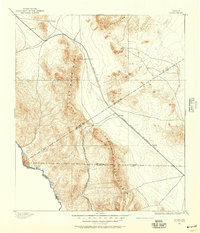
1892 · Chispa
USGS Topo · 1:125,000
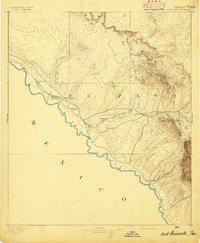
1894 · Fort Hancock
USGS Topo · 1:125,000
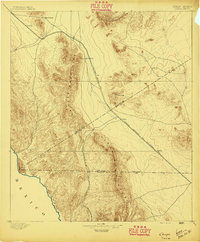
1895 · Chispa
USGS Topo · 1:125,000
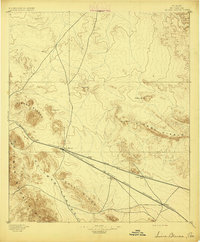
1895 · Sierra Blanca
USGS Topo · 1:125,000
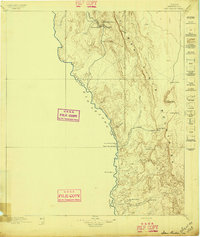
1896 · San Carlos
USGS Topo · 1:125,000
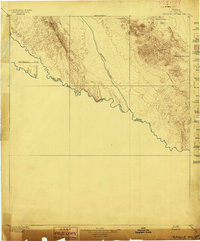
1897 · Eagle Mountain
USGS Topo · 1:125,000
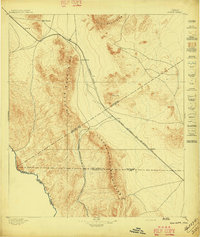
1897 · Chispa
USGS Topo · 1:125,000
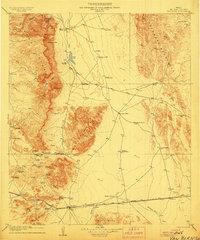
1906 · Van Horn
USGS Topo · 1:125,000
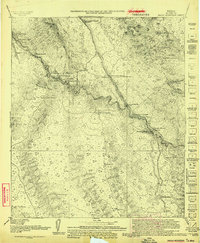
1916 · Eagle Mountain
USGS Topo · 1:125,000
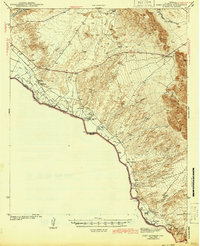
1943 · Fort Quitman
USGS Topo · 1:62,500