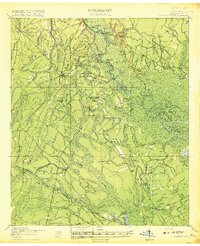
1918 Map of Everett City
USGS Topo · Published 1918About this map
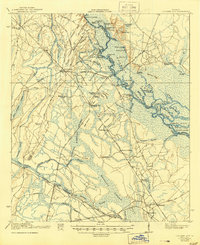
The Altamaha River winds through a dense landscape of islands and hammocks, including Jasmine Island and Gambers Island, as it defines the early 20th-century geography of this Georgia coastal region. The map reveals a complex web of industrial and transportation infrastructure, marked by a massive Sawmill and numerous Tramroads used for timber extraction from the Buffalo Swamp. A trio of major rail lines—the Seaboard Air Line, Southern, and Atlantic Coast Line—converge here, facilitating the movement of people and goods through stations like Grangerville Sta and sidings such as Hunters Siding. Settlements like Mt Pleasant and Thalmann serve as focal points for rural life, supported by local institutions like the Union Industrial School and Hopewell School. Public access to the river is noted by several landings, including Opossum Landing and Holland Landing, emphasizing the importance of waterway travel alongside the emerging Post Road.
Find a feature on this map
67 named features on this map. Tap any name to fly to it.
Don’t see what you’re looking for? This feature index may not catch every label — zoom into the map to look around manually.
Map Details
Editions of this 1918 Everett City Map
2 editions found
Other maps of this area
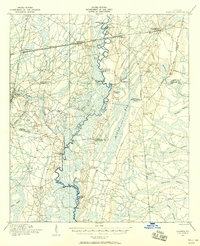
1917 · Nahunta
USGS Topo · 1:62,500
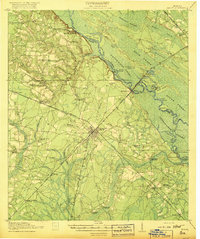
1918 · Jesup
USGS Topo · 1:62,500
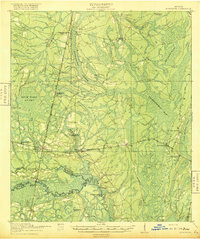
1918 · Hortense
USGS Topo · 1:62,500
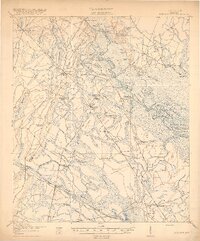
1918 · Everett City
USGS Topo · 1:62,500
1918 · Nahunta
USGS Topo · 1:62,500
1918 · Bladen
USGS Topo · 1:62,500
1920 · Sapelo River
USGS Topo · 1:62,500
1920 · Everett City
USGS Topo · 1:62,500
1921 · Darien
USGS Topo · 1:62,500
1939 · Bladen
USGS Topo · 1:62,500