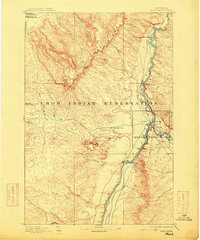
1894 Map of Fort Custer
USGS Topo · Published 1915About this map
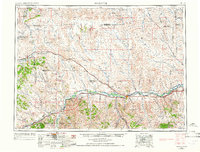
The confluence of the Bighorn River and the Little Bighorn River serves as the focal point for this late nineteenth-century survey. Established within the Crow Indian Reservation, the Fort Custer Military Reservation dominates the eastern bank, marked by the strategic outpost of Fort Custer itself. The landscape is defined by the sharp transition from the river valley to the elevated Pine Ridge, where numerous coulees and creeks like Fly Creek and Two Legging Creek drain toward the Bighorn.
Find a feature on this map
20 named features on this map. Tap any name to fly to it.
Don’t see what you’re looking for? This feature index may not catch every label — zoom into the map to look around manually.
Map Details
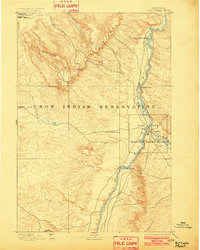
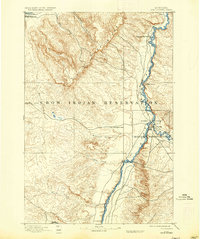
Editions of this 1894 Fort Custer Map
4 editions found
Other maps of this area
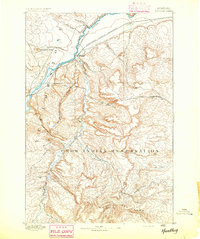
1893 · Huntley
USGS Topo · 1:125,000
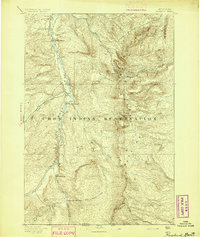
1894 · Rosebud
USGS Topo · 1:125,000
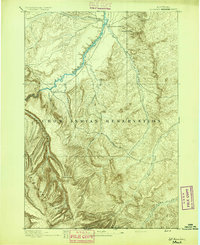
1894 · St. Xavier
USGS Topo · 1:125,000
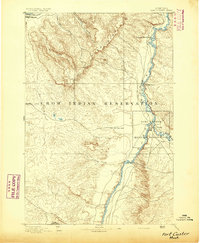
1894 · Fort Custer
USGS Topo · 1:125,000
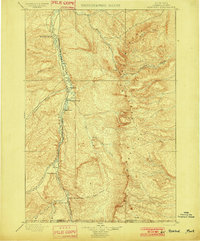
1901 · Rosebud
USGS Topo · 1:125,000
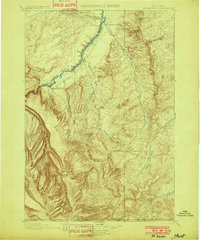
1901 · St. Xavier
USGS Topo · 1:125,000
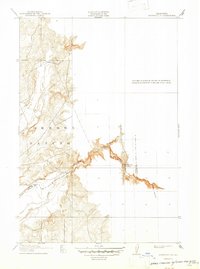
1915 · Spenceville
USGS Topo · 1:31,680
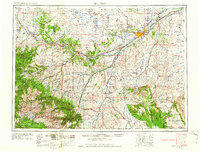
1954 · Billings
USGS Topo · 1:250,000
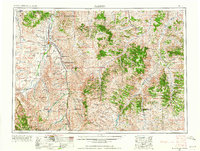
1954 · Hardin
USGS Topo · 1:250,000
1954 · Forsyth
USGS Topo · 1:250,000