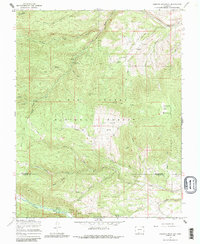
1967 Map of Greenie Mountain
USGS Topo · Published 1986About this map
The Rio Grande National Forest dominates this high-altitude landscape where the headwaters of the Alamosa River and numerous forks of Rock Creek carve through the Southern Rockies. The area serves as a focal point for mid-century outdoor recreation and mountain research, evidenced by specialized sites like the Phillips University Camp and the secluded Lost Cabin Ranch. A network of primitive transport routes, including the Driveway and various Jeep Trails, indicates how forestry and water management shaped human access here. Resource extraction and monitoring are visible through a Prospect near Lion Point and a Gaging Station on Rock Creek, while the presence of the Ranger Station underscores the administrative importance of this mountain territory. The boundary between Rio Grande and Conejos counties bisects the southern reaches, cutting across the rugged drainage basins of Cat Creek and the Alamosa River.
Find a feature on this map
49 named features on this map. Tap any name to fly to it.
Don’t see what you’re looking for? This feature index may not catch every label — zoom into the map to look around manually.
Map Details
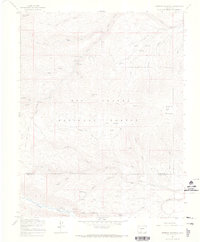
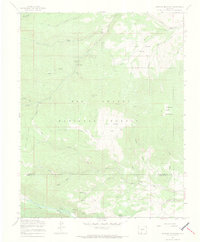
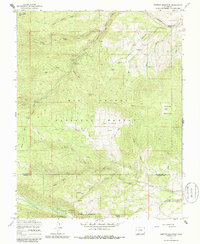
Editions of this 1967 Greenie Mountain Map
4 editions found
Other maps of this area
1915 · Del Norte
USGS Topo · 1:125,000
1917 · Del Norte
USGS Topo · 1:125,000
1922 · Conejos
USGS Topo · 1:125,000
1945 · Durango
USGS Topo · 1:250,000
1953 · Durango
USGS Topo · 1:250,000
1954 · Durango
USGS Topo · 1:250,000
1961 · Durango
USGS Topo · 1:250,000
1963 · Durango
USGS Topo · 1:250,000
1964 · Monte Vista
USGS Topo · 1:24,000
1966 · Durango
USGS Topo · 1:250,000