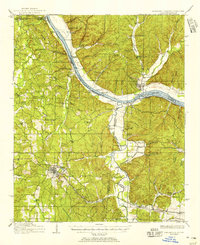
1911 Map of Iuka
USGS Topo · Published 1956About this map
Iuka serves as the primary hub in this early twentieth-century study of the tri-state border where Mississippi, Alabama, and Tennessee meet. The landscape is defined by the heavy presence of the Tennessee River and Bear Creek, which together dictated the settlement patterns of the era. Evidence of the river-based economy is everywhere, seen in the numerous river landings like Parker Landing and Cook Landing, and the navigation challenges of Bee Tree Shoals which necessitated the Colbert Canal.
Find a feature on this map
89 named features on this map. Tap any name to fly to it.
Don’t see what you’re looking for? This feature index may not catch every label — zoom into the map to look around manually.
Map Details
Editions of this 1911 Iuka Map
2 editions found
Other maps of this area
1905 · Waynesboro
USGS Topo · 1:125,000
1911 · Iuka
USGS Topo · 1:48,000
1914 · Iuka
USGS Topo · 1:62,500
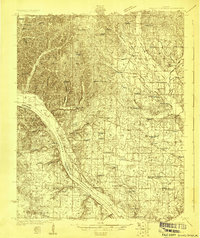
1924 · Gravelly Springs
USGS Topo · 1:48,000
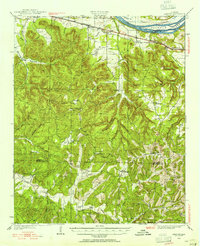
1925 · Barton
USGS Topo · 1:62,500
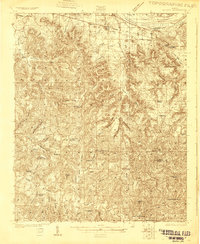
1926 · Barton
USGS Topo · 1:48,000
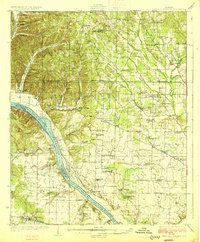
1926 · Gravelly Springs
USGS Topo · 1:62,500
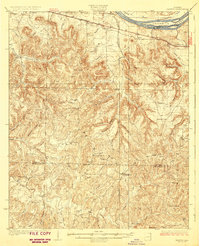
1929 · Barton
USGS Topo · 1:62,500
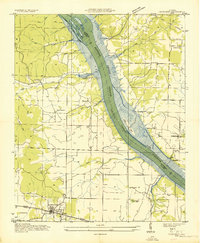
1935 · Cherokee
USGS Topo · 1:24,000
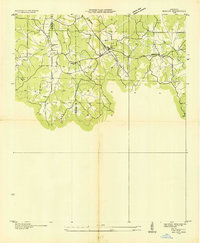
1935 · Holcut
USGS Topo · 1:24,000