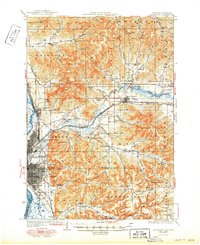
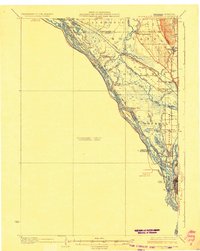
1930 Map of La Crosse
USGS Topo · Published 1950About this map
The Mississippi River and Black River dominate the western edge of this 1930s landscape, where the bustling rail hubs of La Crosse and North La Crosse meet the complex topography of the Driftless Area. The map reveals an intricate network of coulees and ridges, including Grand Dad Bluff and Miller Bluff, which defined the expansion of early settlements. Rural life is characterized by a high density of one-room schoolhouses such as Maple Shade Sch and Bell Coulee Sch, alongside community institutions like the County Asylum and the Poor Farm. Industrial and transport patterns are evident in the crossing of major lines like the Chicago Milwaukee and St Paul and the Chicago Burlington and Quincy, facilitating the movement of goods through Grand Crossing and out toward West Salem and Bangor.
Find a feature on this map
100 named features on this map. Tap any name to fly to it.
Don’t see what you’re looking for? This feature index may not catch every label — zoom into the map to look around manually.
Map Details
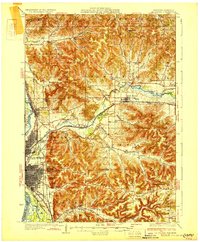
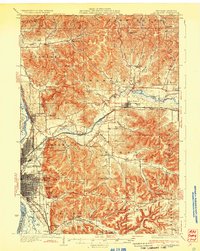
Editions of this 1930 La Crosse Map
3 editions found
Other maps of this area
1909 · Sparta
USGS Topo · 1:62,500
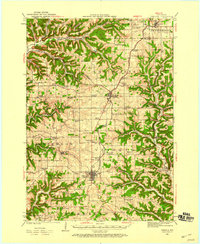
1923 · Viroqua
USGS Topo · 1:62,500
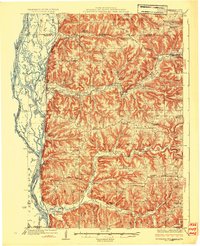
1926 · Stoddard
USGS Topo · 1:62,500
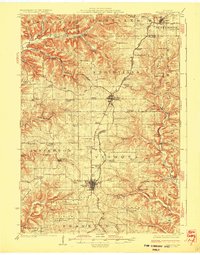
1926 · Viroqua
USGS Topo · 1:62,500
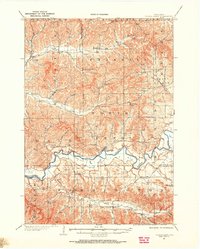
1926 · North Bend
USGS Topo · 1:62,500
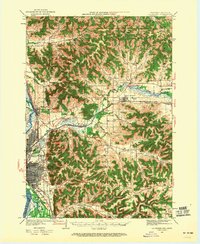
1927 · La Crosse
USGS Topo · 1:62,500
1928 · Melrose
USGS Topo · 1:48,000
1929 · Galesville
USGS Topo · 1:62,500
1929 · North Bend
USGS Topo · 1:62,500
1930 · La Crescent
USGS Topo · 1:62,500