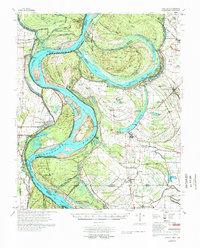
1977 Map of Lamont
USGS Topo · Published 1977About this map
Arkansas City sits behind protective levees on the western bank of the Mississippi, anchoring a landscape defined by the river's massive migrations and engineered interventions. The dramatic Caulk Cut-Off (1937) and Ashbrook Cut-Off (1935) illustrate the mid-century effort to shorten the river's path, leaving behind oxbows like Caulk Lake and Lake Whittington. The complexity of this borderland is further marked by the Treaty Boundary (1818), which cuts across modern oxbows, indicating how significantly the main channel has shifted since the early 19th century.
Find a feature on this map
127 named features on this map. Tap any name to fly to it.
Don’t see what you’re looking for? This feature index may not catch every label — zoom into the map to look around manually.
Map Details
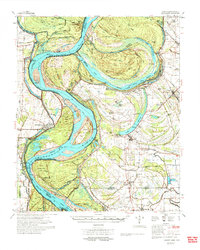
Editions of this 1977 Lamont Map
2 editions found
Other maps of this area
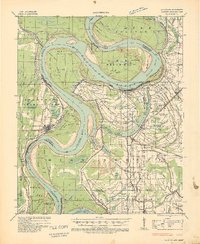
1933 · Lamont
USGS Topo · 1:62,500
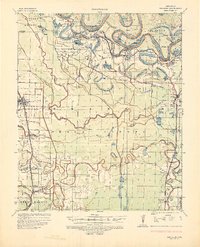
1935 · Red Fork
USGS Topo · 1:62,500
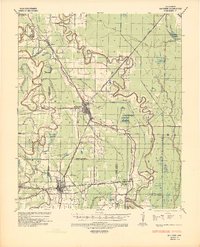
1936 · McGehee
USGS Topo · 1:62,500
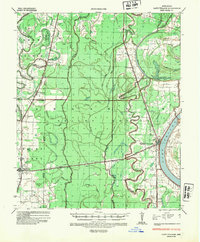
1936 · Lake Village
USGS Topo · 1:62,500
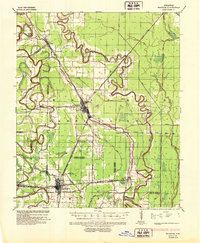
1937 · McGehee
USGS Topo · 1:62,500
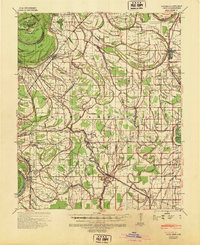
1939 · Pace
USGS Topo · 1:62,500
1939 · Big Island
USGS Topo · 1:62,500
1939 · Refuge
USGS Topo · 1:62,500
1939 · Lamont
USGS Topo · 1:62,500
1939 · Tralake
USGS Topo · 1:62,500