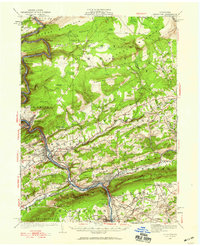
1922 Map of Lehighton
USGS Topo · Published 1959About this map
The Lehigh River carves a path through this mountainous landscape, serving as the industrial and transit corridor for the New Jersey Central Railroad and Lehigh Valley Railroad. In the early 1920s, this area was defined by its valley towns and the imposing natural barriers of Summer Mountain and Mauch Chunk. The rugged topography is punctuated by deep gaps like the Lehigh Gap and engineering feats such as the Rockport Tunnel, which facilitated the movement of anthracite coal through the region.
Find a feature on this map
133 named features on this map. Tap any name to fly to it.
Don’t see what you’re looking for? This feature index may not catch every label — zoom into the map to look around manually.
Map Details
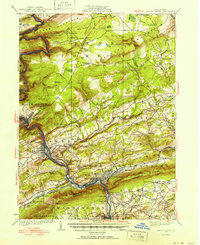
Editions of this 1922 Lehighton Map
2 editions found
Other maps of this area
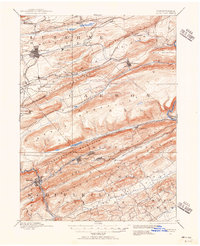
1889 · Hazleton
USGS Topo · 1:62,500
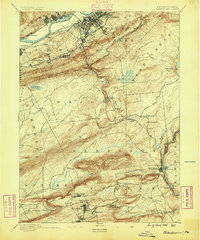
1891 · Wilkesbarre
USGS Topo · 1:62,500
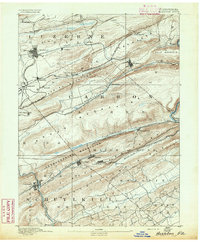
1891 · Hazleton
USGS Topo · 1:62,500
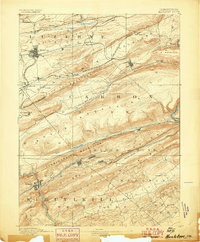
1893 · Hazleton
USGS Topo · 1:62,500
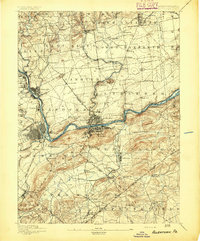
1894 · Allentown
USGS Topo · 1:62,500
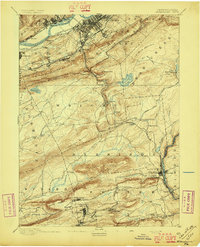
1894 · Wilkesbarre
USGS Topo · 1:62,500
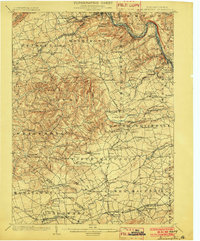
1902 · Slatington
USGS Topo · 1:62,500
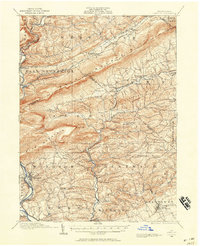
1909 · Hamburg
USGS Topo · 1:62,500
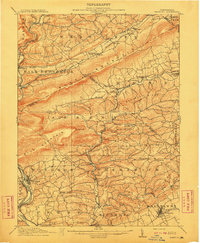
1911 · Hamburg
USGS Topo · 1:62,500
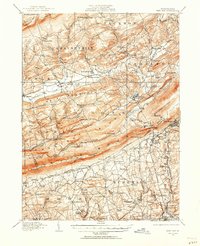
1914 · Wind Gap
USGS Topo · 1:62,500