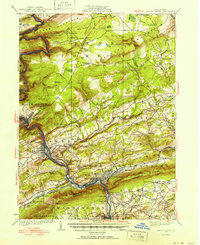
1922 Map of Mauch Chunk
USGS Topo · Published 1952About this map
The Lehigh River corridor serves as the industrial and transportation backbone of this region, where the Central Railroad of New Jersey and Lehigh Valley Railroad parallel its winding course. The 1922 topography reveals a landscape defined by sharp elevation shifts, from the deep Lehigh Gap to the heights of Bald Mountain and Pohopoco Mountain. In the valley, the concentrated development of Mauch Chunk, Lehighton, and Palmerton contrasts with the sparse uplands of Penn Forest.
Find a feature on this map
125 named features on this map. Tap any name to fly to it.
Don’t see what you’re looking for? This feature index may not catch every label — zoom into the map to look around manually.
Map Details
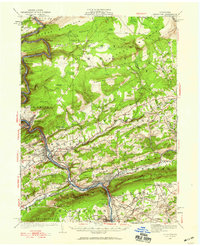
Editions of this 1922 Mauch Chunk Map
2 editions found
Other maps of this area
1889 · Hazleton
USGS Topo · 1:62,500
1891 · Wilkesbarre
USGS Topo · 1:62,500
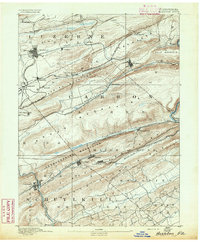
1891 · Hazleton
USGS Topo · 1:62,500
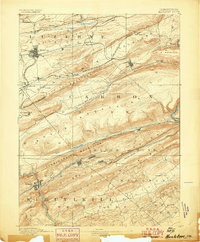
1893 · Hazleton
USGS Topo · 1:62,500
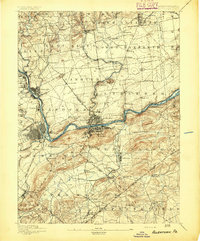
1894 · Allentown
USGS Topo · 1:62,500
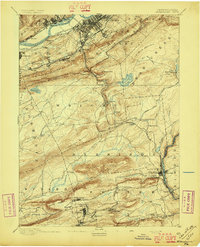
1894 · Wilkesbarre
USGS Topo · 1:62,500
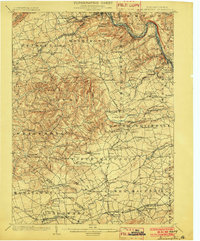
1902 · Slatington
USGS Topo · 1:62,500
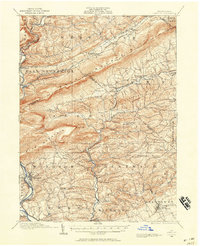
1909 · Hamburg
USGS Topo · 1:62,500
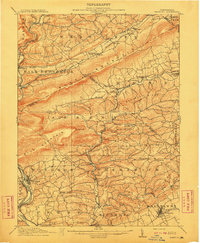
1911 · Hamburg
USGS Topo · 1:62,500
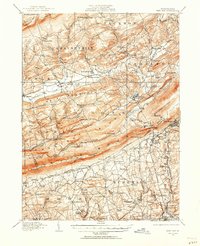
1914 · Wind Gap
USGS Topo · 1:62,500