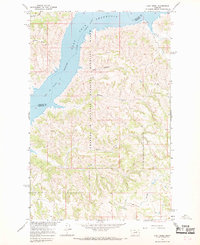
1965 Map of Lost Creek
USGS Topo · Published 1969About this map
The Charles M. Russell National Wildlife Range dominates this mid-1960s landscape, protecting the breaks and coulees along the eastern shore of the Fort Peck Reservoir. This survey, conducted as part of the Missouri River Basin development program, illustrates the dramatic interface where the submerged valley of the Missouri River meets the intricately eroded terrain of the plains. Named drainage systems like Deadman Coulee, Ghost Coulee, and Hay Coulee carve through the breaks, leading toward the high point at Brandon Butte. The map details the remote character of the boundary between Phillips and Garfield counties, where infrastructure is limited to the Devils Creek Campground and a network of unimproved roads and fence lines. The intricate contouring of North Fork Lost Creek and the main branch of Lost Creek reveals the complex hydrology of this preserved Missouri River habitat.
Find a feature on this map
13 named features on this map. Tap any name to fly to it.
Don’t see what you’re looking for? This feature index may not catch every label — zoom into the map to look around manually.
Map Details
Editions of this 1965 Lost Creek Map
2 editions found
Other maps of this area
1954 · Jordan
USGS Topo · 1:250,000
1956 · Jordan
USGS Topo · 1:250,000
1958 · Jordan
USGS Topo · 1:250,000
1964 · Jordan
USGS Topo · 1:250,000
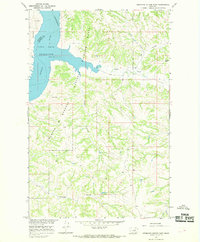
1965 · Germaine Coulee East
USGS Topo · 1:24,000
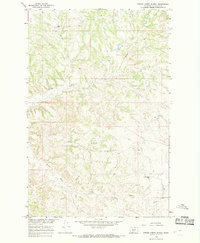
1965 · Spring Creek School
USGS Topo · 1:24,000
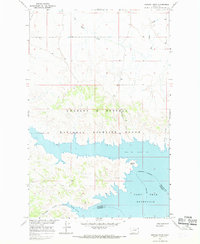
1965 · Herman Point
USGS Topo · 1:24,000
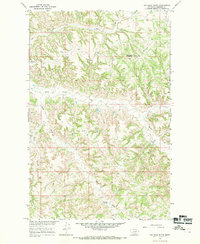
1965 · Cap Rock Butte
USGS Topo · 1:24,000
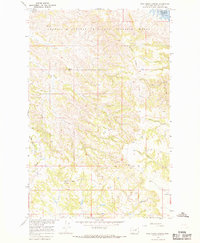
1965 · Pine Grove School
USGS Topo · 1:24,000
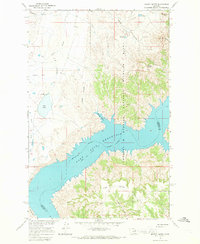
1965 · Mickey Butte
USGS Topo · 1:24,000