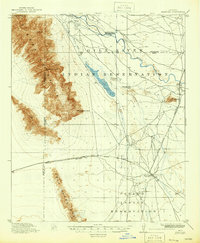
1915 Map of Maricopa
USGS Topo · Published 1946About this map
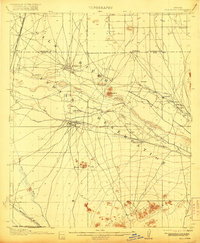
The confluence of the Gila River and the Santa Cruz River defines this landscape during the early twentieth century, serving as a vital corridor for both indigenous communities and rail expansion. The Gila River Indian Reservation and Papago Indian Reservation cover significant portions of the sheet, where traditional sites like Pima Village exist alongside the vestiges of early pioneer travel, most notably the Maricopa Wells (Abandoned) site.
Find a feature on this map
21 named features on this map. Tap any name to fly to it.
Don’t see what you’re looking for? This feature index may not catch every label — zoom into the map to look around manually.
Map Details
Editions of this 1915 Maricopa Map
2 editions found
Other maps of this area
1912 · Phoenix
USGS Topo · 1:62,500
1913 · Mesa
USGS Topo · 1:62,500
1913 · Maricopa
USGS Topo · 1:62,500
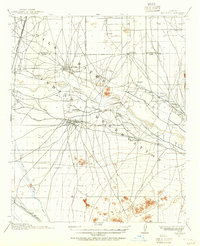
1914 · Gila Butte
USGS Topo · 1:62,500
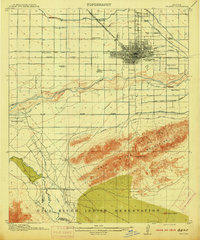
1914 · Phoenix
USGS Topo · 1:62,500
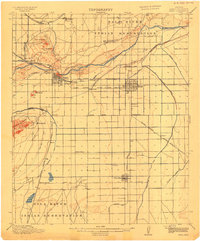
1915 · Mesa
USGS Topo · 1:62,500
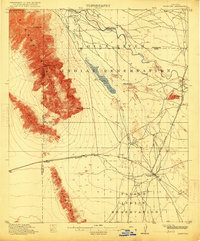
1915 · Maricopa
USGS Topo · 1:62,500
1917 · Gila Butte
USGS Topo · 1:62,500
1922 · Casa Grande
USGS Topo · 1:62,500
1924 · Casa Grande
USGS Topo · 1:62,500