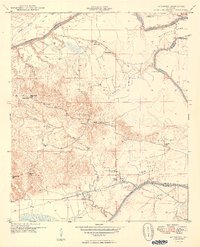
1949 Map of McDowell
USGS Topo · Published 1949About this map
The Tombigbee River forms a sweeping boundary through this portion of West Alabama, defined by sharp meanders like Twelvemile Bend and The Ravine. This 1940s landscape is deeply rural, organized around small community centers such as Belmont and Brownstown. The social fabric of the era is visible through its dense network of local institutions, particularly the numerous country schools and churches that served the agricultural population. Significant landmarks include Bucks Chapel, Palestine Ch, and several family-named burial grounds like the Taylor Cem and Houpt Cem. Transportation in the region relies on a mix of old river crossings and rail, notably the McDowell Ferry and the Southern railroad line. The terrain rises to the west toward Armstrong Hill, while the lowlands are marked by Charleston Swamp and Hayes Creek, illustrating the transition from the river bottom to the higher ridges of Sumter County.
Find a feature on this map
39 named features on this map. Tap any name to fly to it.
Don’t see what you’re looking for? This feature index may not catch every label — zoom into the map to look around manually.
Map Details
Editions of this 1949 McDowell Map
2 editions found
Other maps of this area
1929 · Epes
USGS Topo · 1:48,000
1932 · Epes
USGS Topo · 1:62,500
1946 · Demopolis
USGS Topo · 1:24,000
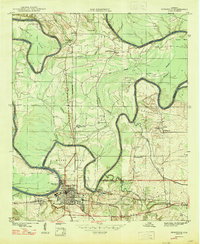
1947 · Demopolis
USGS Topo · 1:24,000
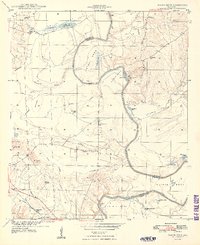
1947 · Mason Bend
USGS Topo · 1:24,000
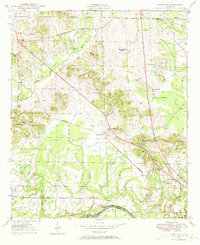
1947 · Forkland
USGS Topo · 1:24,000
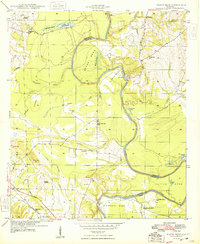
1948 · Mason Bend
USGS Topo · 1:24,000
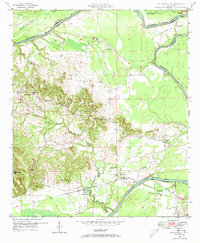
1948 · Mc Dowell
USGS Topo · 1:24,000
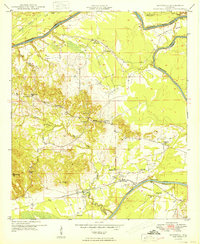
1949 · Mc Dowell
USGS Topo · 1:24,000
1949 · Forkland
USGS Topo · 1:24,000