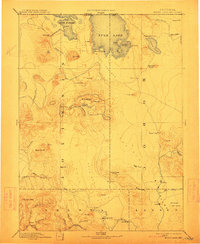
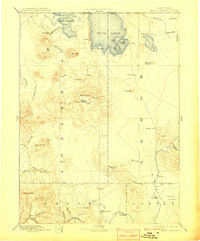
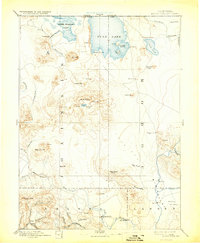
1892 Map of Modoc Lava Bed
USGS Topo · Published 1913About this map
The Modoc Lava Bed dominates this northeastern California landscape, reflecting a volcanic terrain that significantly influenced early settlement and movement. In the late nineteenth century, the region was defined by its geologic extremes, from the expanse of Tule Lake and Lower Klamath Lake to the north, to the jagged lava ridges and craters of the interior. A notable historical site is the Modoc Rifle Pit near the eastern shore of Tule Lake, a marker of the local conflict in the decade preceding this survey. To the south, early outposts like Bieber, Lookout, and Burgettville sit along the Pit River and Ash Creek, forming a network of small ranching and logging communities. High-altitude landmarks such as Mt Hoffmann and Glass Mt surround the secluded Medicine Lake, while isolated features like the Ice Cave and Fort M point to the practical realities of frontier life in a demanding environment.
Find a feature on this map
68 named features on this map. Tap any name to fly to it.
Don’t see what you’re looking for? This feature index may not catch every label — zoom into the map to look around manually.
Map Details
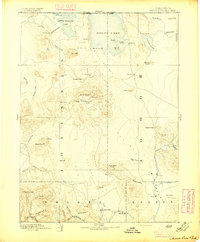
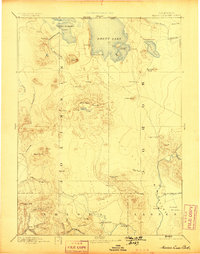
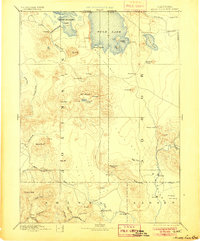
Editions of this 1892 Modoc Lava Bed Map
7 editions found
Other maps of this area
1886 · Alturas
USGS Topo · 1:250,000
1886 · Honey Lake
USGS Topo · 1:250,000
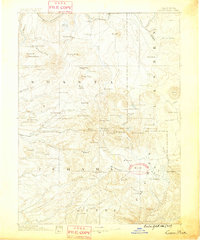
1886 · Lassen Peak
USGS Topo · 1:250,000
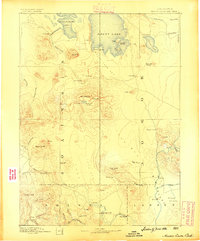
1886 · Modoc Lava Bed
USGS Topo · 1:250,000
1886 · Shasta
USGS Topo · 1:250,000
1889 · Klamath
USGS Topo · 1:250,000
1890 · Red Bluff
USGS Topo · 1:250,000
1891 · Honey Lake
USGS Topo · 1:250,000
1891 · Ashland
USGS Topo · 1:250,000
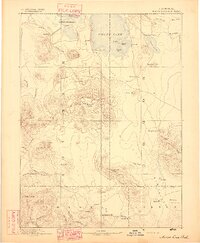
1892 · Modoc Lava-Bed
USGS Topo · 1:250,000