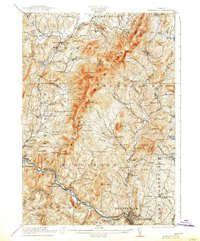
1921 Map of Montpelier
USGS Topo · Published 1938About this map
The Worcester Mountains dominate this central Vermont landscape, forming a dramatic north-south spine between the valleys of the Waterbury River and the North Branch. In the early twentieth century, the region's economy is clearly etched into the terrain, from the industrial Talc Mine near Waterbury to the numerous small district schools like Dudley School and Kneeland Flat School that served isolated upland farmsteads. The Winooski River carves a deep path through the southern portion of the map, creating the Middlesex Gorge and providing a natural corridor for the Roosevelt Highway. Settlement patterns are concentrated along these river valleys, with established centers like Montpelier and Stowe contrasted against smaller hamlets such as Adamant and Shady Rill. Researchers will find a remarkably dense network of named cemeteries and brooks that define the local geography of the era.
Find a feature on this map
115 named features on this map. Tap any name to fly to it.
Don’t see what you’re looking for? This feature index may not catch every label — zoom into the map to look around manually.
Map Details
Editions of this 1921 Montpelier Map
6 editions found
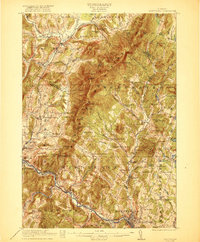
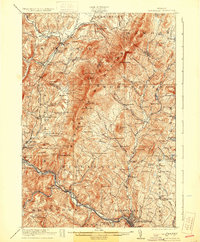
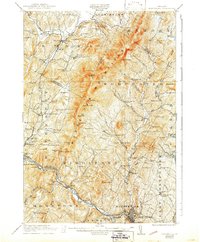
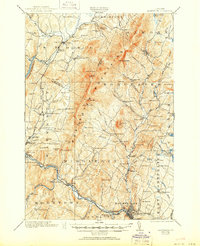
Other maps of this area
1919 · Lincoln Mountain
USGS Topo · 1:62,500
1919 · Montpelier
USGS Topo · 1:62,500
1920 · Lincoln Mountain
USGS Topo · 1:48,000
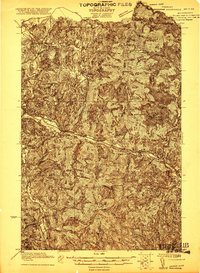
1921 · Richmond
USGS Topo · 1:48,000
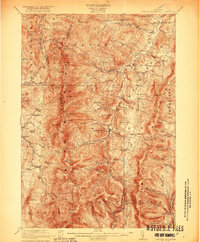
1921 · Lincoln Mountain
USGS Topo · 1:62,500
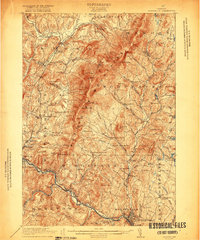
1921 · Montpelier
USGS Topo · 1:62,500
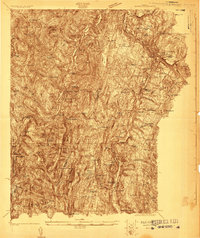
1922 · Barre
USGS Topo · 1:48,000
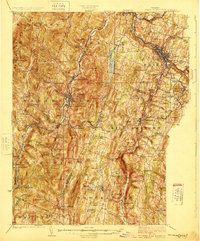
1924 · Barre
USGS Topo · 1:62,500
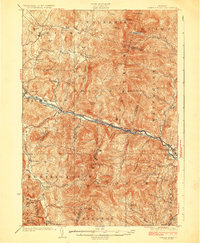
1924 · Camels Hump
USGS Topo · 1:62,500
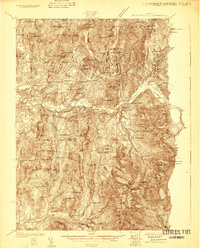
1925 · Mount Mansfield
USGS Topo · 1:48,000