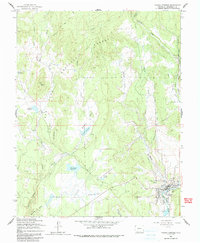
1964 Map of Pagosa Springs
USGS Topo · Published 1991About this map
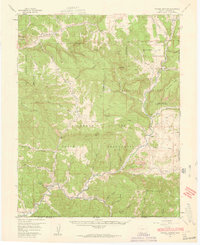
Pagosa Springs and its surrounding landscape are defined by the winding course of the San Juan River and a sophisticated network of water management features. During the early 1960s, the town's expansion was supported by the presence of Stevens Airfield and local infrastructure such as a Radio Tower and Gravel Pit. The mapping highlights the critical importance of water storage in this high-altitude environment, featuring several prominent named basins including Hatcher Reservoir, Sullenburger Reservoir, Stevens Reservoir, and Bennett Reservoir.
Find a feature on this map
32 named features on this map. Tap any name to fly to it.
Don’t see what you’re looking for? This feature index may not catch every label — zoom into the map to look around manually.
Map Details
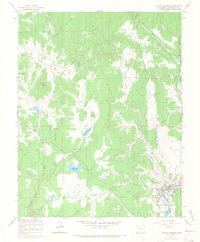
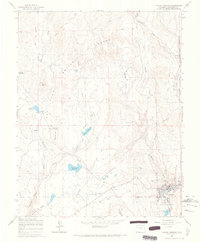
Editions of this 1964 Pagosa Springs Map
3 editions found
Other maps of this area
1913 · Summitville
USGS Topo · 1:125,000
1915 · Summitville
USGS Topo · 1:125,000
1924 · Pagosa Springs
USGS Topo · 1:125,000
1927 · Pagosa Springs
USGS Topo · 1:125,000
1945 · Durango
USGS Topo · 1:250,000
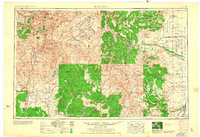
1953 · Durango
USGS Topo · 1:250,000
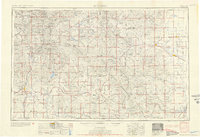
1954 · Durango
USGS Topo · 1:250,000
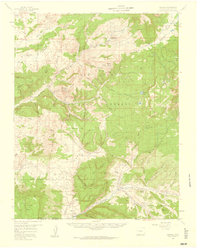
1957 · Chromo
USGS Topo · 1:62,500
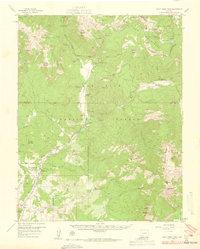
1957 · Wolf Creek Pass
USGS Topo · 1:62,500
1957 · Pagosa Junction
USGS Topo · 1:62,500