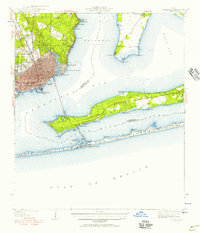
1941 Map of Pensacola
USGS Topo · Published 1956About this map
The dense urban core of Pensacola and its sprawling waterfront dominate this early 1940s survey. The city's maritime and industrial foundations are clearly visible at Muscogee Wharf and along the Louisville and Nashville railroad lines that feed into the harbor. Beyond the city grid, the landscape transitions into established neighborhoods like East Pensacola Heights and northern settlements such as Goulding and Brent.
Find a feature on this map
56 named features on this map. Tap any name to fly to it.
Don’t see what you’re looking for? This feature index may not catch every label — zoom into the map to look around manually.
Map Details
Editions of this 1941 Pensacola Map
This is the sole edition of this map. No revisions or reprints were ever made.
Other maps of this area
1920 · Milton
USGS Topo · 1:62,500
1921 · Holley
USGS Topo · 1:62,500
1921 · Pensacola
USGS Topo · 1:62,500
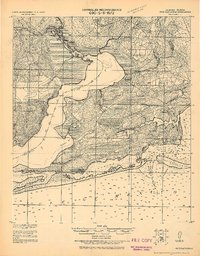
1921 · Fort Barrancas
USGS Topo · 1:62,500
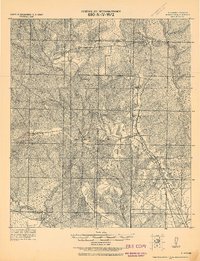
1921 · Muscogee
USGS Topo · 1:62,500
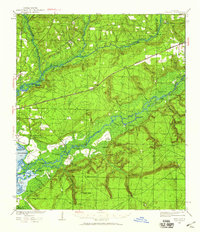
1934 · Harold
USGS Topo · 1:62,500
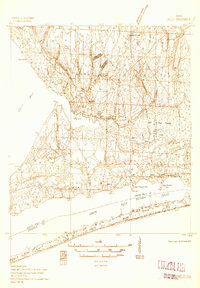
1936 · Holley
USGS Topo · 1:48,000
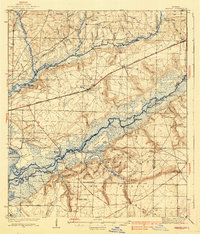
1937 · Harold
USGS Topo · 1:62,500
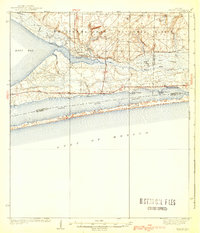
1938 · Holley
USGS Topo · 1:62,500
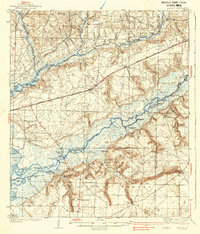
1938 · Harold
USGS Topo · 1:62,500