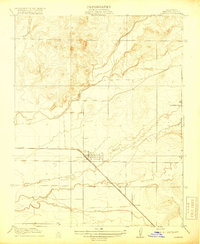
1918 Map of Planada
USGS Topo · Published 1918About this map
Planada sits at the heart of this Central Valley landscape, its grid oriented toward the steel of the Atchison Topeka and Santa Fe railroad line. Surveyed in 1915, the map captures a period of early agricultural development where water management and transport dictated the settlement pattern. The terrain is defined by a dense network of drainage, where Black Rascal Creek, Burns Creek, and Bear Creek emerge from the eastern foothills to cross the plain toward Duck Slough. Local social infrastructure is represented by the isolated Cunningham School, serving the outlying farmsteads between Miles Creek and Owens Creek. The primary transit corridor of the Merced Road provides a glimpse into the early highway system connecting these valley outposts. Small hubs like Burchell emphasize the rail-dependent economy of the era, where every stop was a vital link for shipping the region's agricultural output.
Find a feature on this map
12 named features on this map. Tap any name to fly to it.
Don’t see what you’re looking for? This feature index may not catch every label — zoom into the map to look around manually.
Map Details
Editions of this 1918 Planada Map
2 editions found
Other maps of this area
1914 · Merced
USGS Topo · 1:31,680
1915 · Owens Creek
USGS Topo · 1:31,680
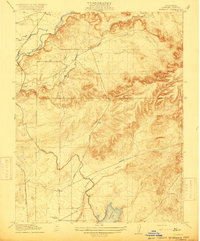
1916 · Hopeton
USGS Topo · 1:31,680
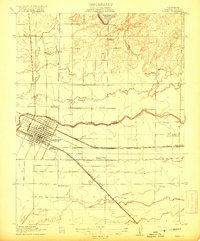
1917 · Merced
USGS Topo · 1:31,680
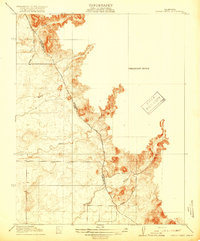
1918 · Owens Creek
USGS Topo · 1:31,680
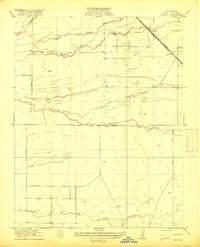
1918 · Lingard
USGS Topo · 1:31,680
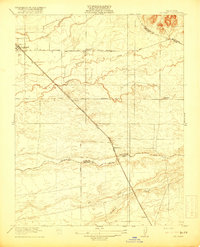
1918 · La Grand
USGS Topo · 1:31,680
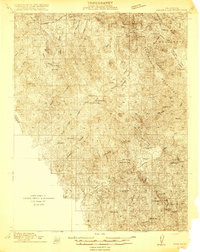
1919 · Indian Gulch
USGS Topo · 1:48,000
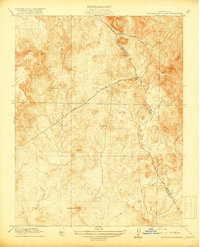
1919 · Haystack Mountain
USGS Topo · 1:31,680
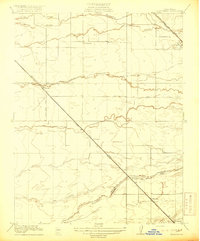
1919 · Plainsberg
USGS Topo · 1:31,680