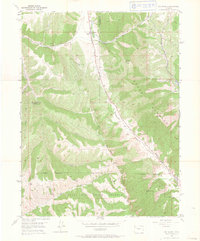
1952 Map of Rio Blanco
USGS Topo · Published 1964About this map
Rio Blanco and its surrounding high-altitude terrain are defined by the convergence of industrial extraction and rugged geography in the early 1950s. The landscape is dominated by the Naval Oil Shale Reserve, a massive federal designation that underscores the area's strategic importance during the Cold War energy push. Cutting through the topography is the Government Road, which provides access through the dramatic geological formations of the Grand Hogback and the Book Cliffs. Evidence of local community life persists at the Rio Blanco School (Allen V), while the Rio Blanco Mine (Inactive) and a nearby Ski Tow reflect the dual nature of the region as both a resource frontier and a site for mountain recreation. Numerous drainages like Piceance Creek and Trapper Creek carve through the plateaus, illustrating the complex watershed of this Garfield County territory.
Find a feature on this map
22 named features on this map. Tap any name to fly to it.
Don’t see what you’re looking for? This feature index may not catch every label — zoom into the map to look around manually.
Map Details
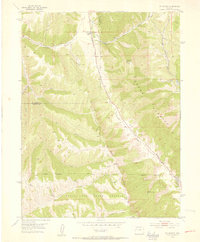
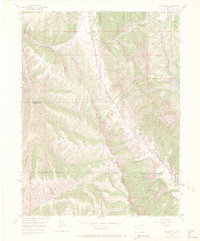
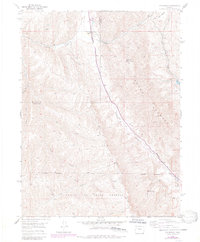
Editions of this 1952 Rio Blanco Map
5 editions found
Other maps of this area
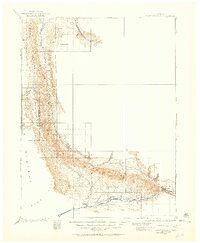
1906 · Grand Hogback
USGS Topo · 1:125,000
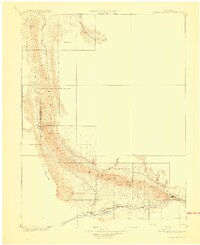
1910 · Grand Hogback
USGS Topo · 1:125,000
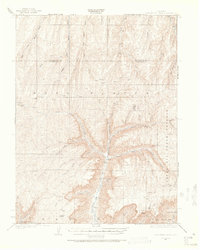
1925 · Parachute Creek
USGS Topo · 1:62,500
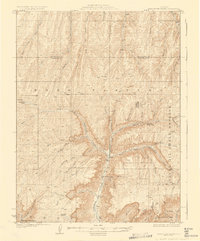
1927 · Parachute Creek
USGS Topo · 1:62,500
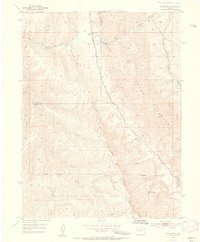
1952 · Rio Blanco
USGS Topo · 1:24,000
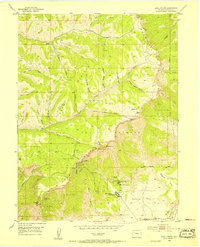
1952 · Anvil Points
USGS Topo · 1:24,000
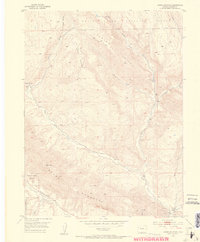
1952 · Horse Mountain
USGS Topo · 1:24,000
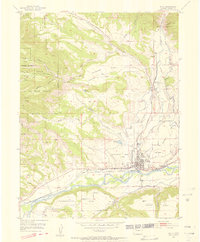
1952 · Rifle
USGS Topo · 1:24,000
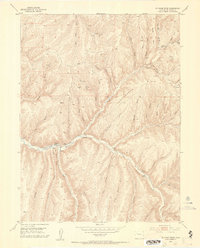
1952 · No Name Ridge
USGS Topo · 1:24,000
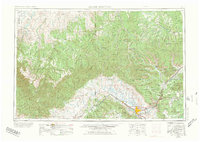
1956 · Grand Junction
USGS Topo · 1:250,000