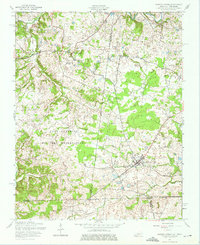
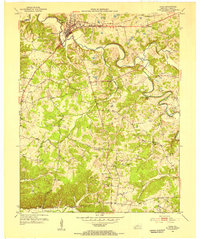
1957 Map of Roaring Spring
USGS Topo · Published 1976About this map
Roaring Spring and the surrounding borderlands of Trigg and Christian Counties appear in this mid-century survey as a region defined by agricultural traditions and a growing military presence. The southern half of the map is dominated by the Fort Campbell Military Reservation, which spans the state line between Kentucky and Tennessee. This federal footprint contrasts with the older settlement patterns of La Fayette, where a concentration of dwellings and businesses lines the Lafayette Road. Local landmarks such as the Antioch Ch and various scattered cemeteries provide anchor points for genealogists and local historians. The landscape is carved by water, with the Little River winding across the northern section and smaller tributaries like Skinner Cr and Noah's Creek draining the southern hills. An Airfield located near the state boundary points to the active aviation requirements of the military installation during the 1950s.
Find a feature on this map
17 named features on this map. Tap any name to fly to it.
Don’t see what you’re looking for? This feature index may not catch every label — zoom into the map to look around manually.
Map Details
Editions of this 1957 Roaring Spring Map
3 editions found
Other maps of this area
1950 · Caledonia
USGS Topo · 1:24,000
1951 · Church Hill
USGS Topo · 1:24,000
1951 · Caledonia
USGS Topo · 1:24,000
1951 · Roaring Spring
USGS Topo · 1:24,000
1951 · Johnson Hollow
USGS Topo · 1:24,000
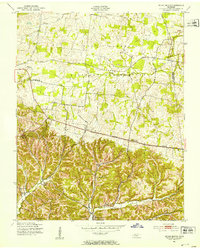
1951 · Indian Mound
USGS Topo · 1:24,000
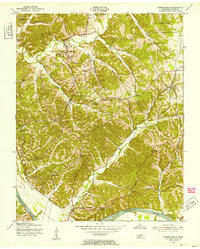
1951 · Bumpus Mills
USGS Topo · 1:24,000
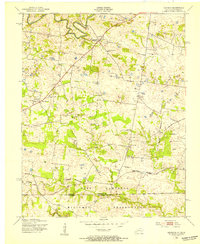
1951 · Herndon
USGS Topo · 1:24,000
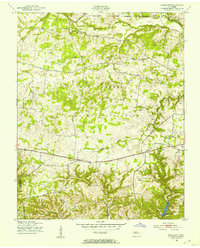
1951 · Woodlawn
USGS Topo · 1:24,000
1953 · Cadiz
USGS Topo · 1:24,000