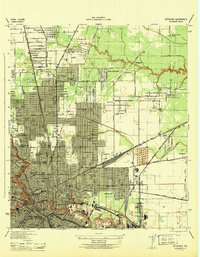
1946 Map of Settegast
USGS Topo · Published 1946About this map
Houston and its northeastern expansion are defined by a complex web of industrial transit and residential growth in the mid-1940s. The landscape is dominated by the intersecting routes of the Missouri Pacific and Southern Pacific railroads, which serve the critical maritime gateway of the Turning Basin on Buffalo Bayou. This map reveals the early layout of neighborhoods like Trinity Gardens and Houston Gardens, characterized by large garden lots and a high density of community institutions including the Houston Gardens School and Wesley Ch.
Find a feature on this map
81 named features on this map. Tap any name to fly to it.
Don’t see what you’re looking for? This feature index may not catch every label — zoom into the map to look around manually.
Map Details
Editions of this 1946 Settegast Map
This is the sole edition of this map. No revisions or reprints were ever made.
Other maps of this area
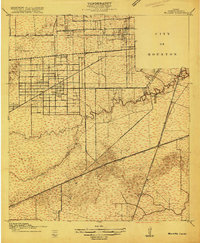
1915 · Bellaire
USGS Topo · 1:24,000
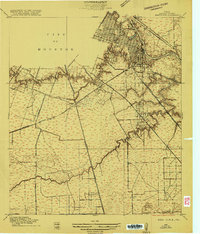
1915 · Park Place
USGS Topo · 1:24,000
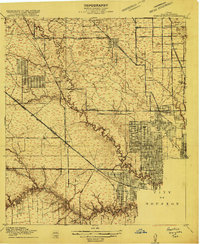
1915 · Houston Heights
USGS Topo · 1:24,000
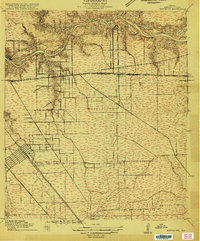
1915 · Deepwater
USGS Topo · 1:24,000
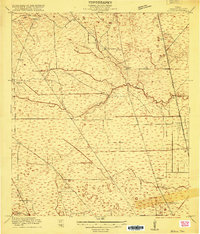
1916 · Aldine
USGS Topo · 1:24,000
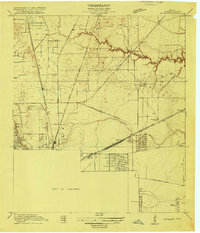
1916 · Settegast
USGS Topo · 1:24,000
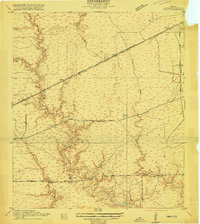
1916 · Fauna
USGS Topo · 1:24,000
1916 · Harmaston
USGS Topo · 1:24,000
1916 · Humble
USGS Topo · 1:24,000
1919 · Aldine
USGS Topo · 1:31,680