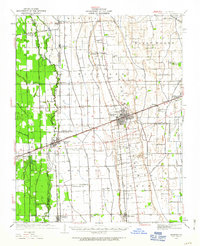
1931 Map of Sikeston
USGS Topo · Published 1963About this map
The Missouri Bootheel landscape of the early 1930s is defined by its massive drainage infrastructure, where an intricate network of engineered channels like Ditch No 9, Ditch No 36, and the St Johns Ditch transformed the Lowlands. At the center of this transition is Sikeston, a thriving rail hub where the Missouri Pacific and St Louis - San Francisco lines intersect. These railways connect smaller agricultural outposts like Vanduser, Morehouse, and Canalou.
Find a feature on this map
87 named features on this map. Tap any name to fly to it.
Don’t see what you’re looking for? This feature index may not catch every label — zoom into the map to look around manually.
Map Details
Editions of this 1931 Sikeston Map
2 editions found
Other maps of this area
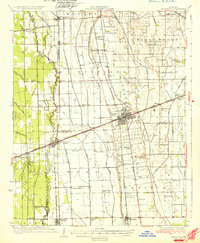
1931 · Sikeston
USGS Topo · 1:62,500
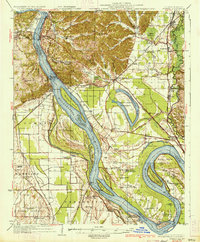
1934 · Thebes
USGS Topo · 1:62,500
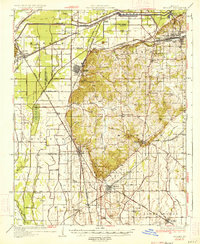
1934 · Morley
USGS Topo · 1:62,500
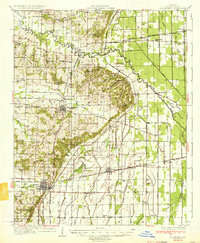
1934 · Bloomfield
USGS Topo · 1:62,500
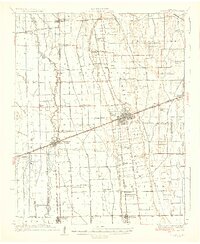
1934 · Sikeston
USGS Topo · 1:62,500
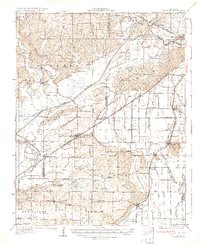
1934 · Advance
USGS Topo · 1:62,500
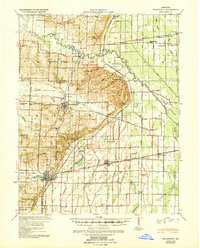
1939 · Bloomfield
USGS Topo · 1:62,500
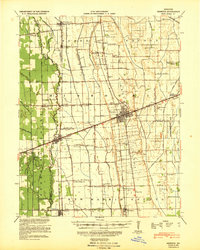
1939 · Sikeston
USGS Topo · 1:62,500
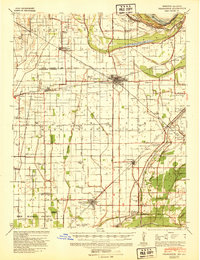
1939 · Charleston
USGS Topo · 1:62,500
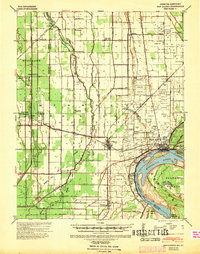
1939 · New Madrid
USGS Topo · 1:62,500