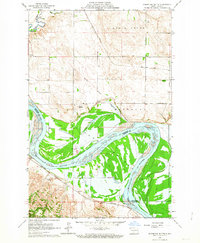
1962 Map of Sugarloaf Butte
USGS Topo · Published 1963About this map
The Missouri River corridor south of Bismarck is defined here by the meeting of major historical transport routes and the early 1960s expansion of the Oahe Reservoir. This survey captures a transitional landscape where the Northern Pacific railroad tracks parallel the river's western bank, while the Soo Line traverses the northern uplands near the winding Apple Creek.
Find a feature on this map
14 named features on this map. Tap any name to fly to it.
Don’t see what you’re looking for? This feature index may not catch every label — zoom into the map to look around manually.
Map Details
Editions of this 1962 Sugarloaf Butte Map
This is the sole edition of this map. No revisions or reprints were ever made.
Other maps of this area
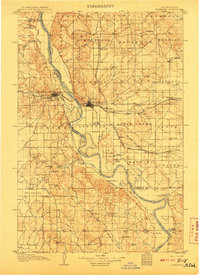
1907 · Bismarck
USGS Topo · 1:125,000
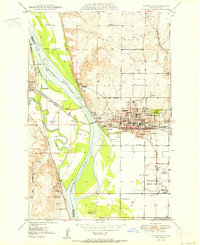
1950 · Bismarck
USGS Topo · 1:24,000
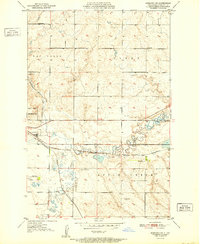
1951 · Menoken SW
USGS Topo · 1:24,000
1951 · Bismarck
USGS Topo · 1:62,500
1951 · Menoken
USGS Topo · 1:62,500
1954 · Bismarck
USGS Topo · 1:250,000
1958 · Bismarck
USGS Topo · 1:250,000
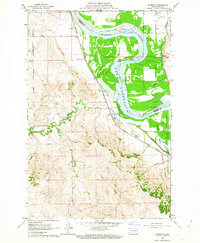
1962 · Schmidt
USGS Topo · 1:24,000
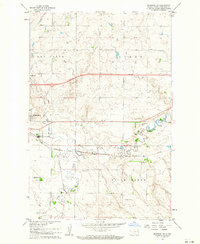
1962 · Menoken SW
USGS Topo · 1:24,000
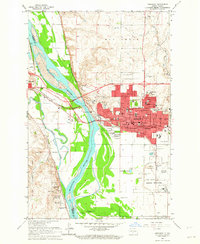
1962 · Bismarck
USGS Topo · 1:24,000